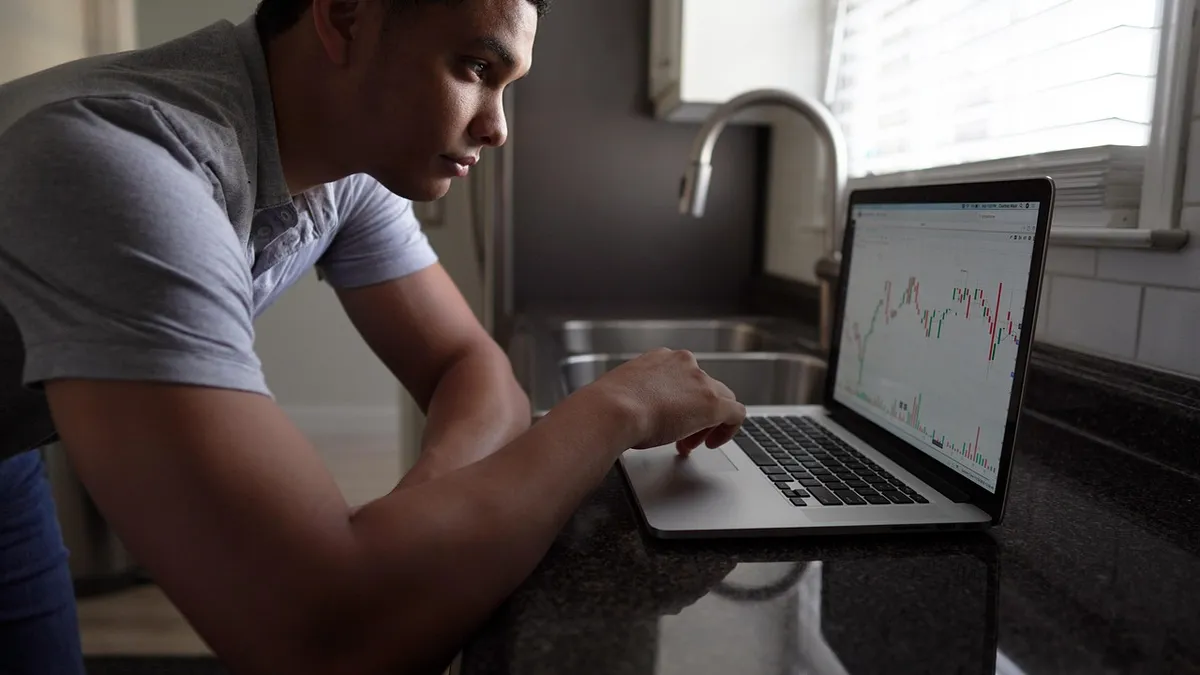
The best trading view buy sell signal setups that actually work in 2026 are not the flashiest ones — they are the ones you can read in under three seconds and act on with a clear head. At Crazii JTVertex, we have spent years in the Australian market watching traders chase every blinking arrow on their screen, only to exit positions at exactly the wrong moment. This guide, built on real screen time and the latest ASIC data, walks you through the setups worth your attention — and the ones quietly draining your account. By the time you finish reading, you will know which signal configurations to build, which to bin, and the one step that separates traders who stay profitable from those who quietly disappear from the market by year-end. That is the promise. Let us keep it.
Ready to trade with a clearer edge?
Join the Crazii JTVertex community and get access to real-time signal discussions, setup breakdowns, and a support group that actually responds.
Join the Group ChatTable of contents
- 01 What Makes a TradingView Buy Sell Signal Setup Actually Work?
- 02 Which TradingView Buy Sell Signal Indicators Are Worth Your Time in 2026?
- 03 How Do You Build a Buy Sell Signal Setup That Filters Out the Noise?
- 04 What Are the Most Common Mistakes Traders Make With Buy Sell Signals?
- 05 TradingView Signal Setups vs Manual Chart Reading: Which Is Better for Australian Traders?
- 06 Frequently Asked Questions About TradingView Buy Sell Signal Setups
What Makes a TradingView Buy Sell Signal Setup Actually Work?

Key points: A TradingView buy sell signal setup works when it combines a momentum indicator, a trend filter, and a clearly defined entry rule — not when it has the most arrows on the chart. Fewer signals with higher confluence beat more signals with lower accuracy every single session.
The evidence: According to ASIC Report 828 (published January 2026, covering FY2023–24), 68% of retail CFD clients in Australia lost money — that is more than two-thirds of the market. The data does not say signals are the problem. It says undisciplined use of leverage without a structured approach is. A well-built signal setup is one layer of that structure.
Expert tip: Crazii JTVertex has noticed that traders who set up alerts on TradingView instead of watching the chart live make better decisions. When you stare at a chart for two hours, your brain starts seeing patterns that are not there. The alert fires, you check the context, you decide. That small change — reactive checking instead of active watching — removes a surprising amount of emotional noise from the trade.
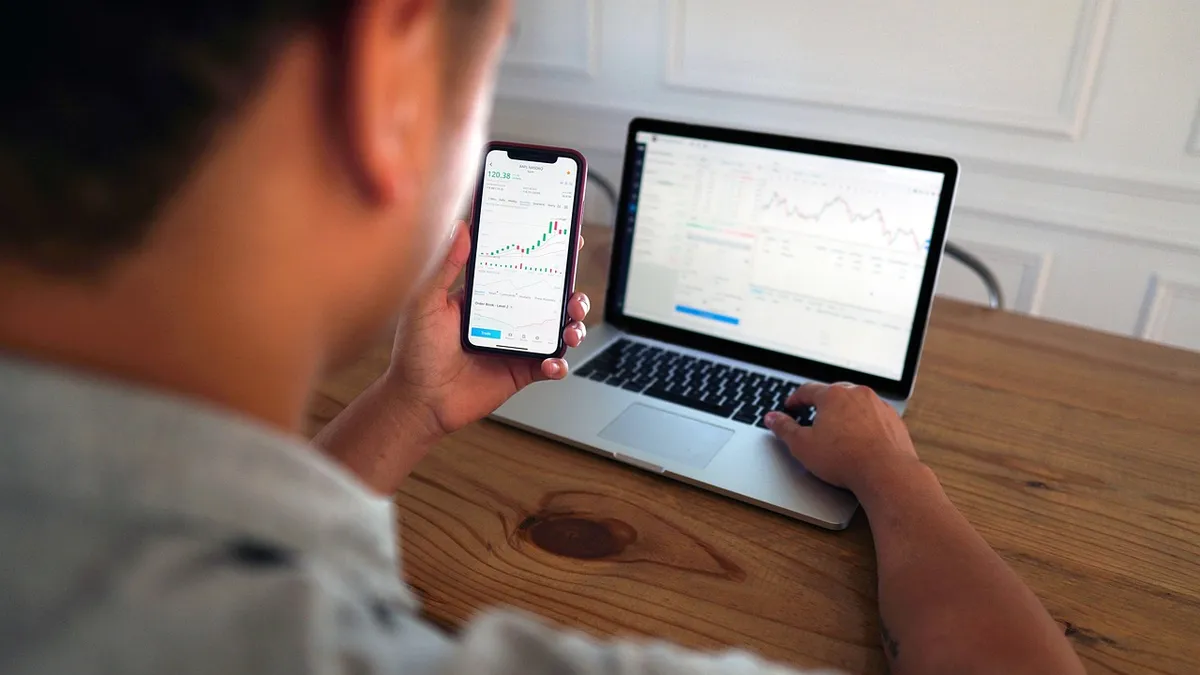
Which TradingView Buy Sell Signal Indicators Are Worth Your Time in 2026?

Key points: In 2026, the TradingView indicators worth using for buy sell signals are those with transparent logic, adjustable parameters, and a track record you can backtest yourself. Avoid any script that promises “automatic profits” — no indicator does that, and ASIC regulations are clear on what constitutes financial advice.
Want a curated signal setup you can actually use?
Crazii JTVertex works with AIMS — a platform built for traders who want structure, not guesswork.
Try AIMS Now| Indicator | Signal Type | Best Used For | Key Risk |
|---|---|---|---|
| RSI (14) | Momentum | Identifying oversold/overbought zones at 30/70 | Fails in strong trending markets |
| MACD (12,26,9) | Trend + Momentum | Confirming trend reversals and continuations | Lags on fast-moving pairs |
| Bollinger Bands (20,2) | Volatility | Spotting breakouts and mean-reversion entries | Whipsaws in choppy conditions |
| EMA 200 | Trend Filter | Defining the dominant trend direction | Slow to respond to sharp reversals |
| Volume Profile | Structure | Identifying high-value price zones | Less reliable on low-liquidity assets |
The evidence: ASIC Report 828 notes that 74% of retail clients acquired via paid online advertising lost money in FY2023–24 — worse than the sector average of 68%. Many of those ads promote “plug-and-play” signal tools. The data is not coincidental. Traders who rely on marketed signal products without understanding the underlying logic tend to fare worse.
Expert tip: When Crazii JTVertex evaluates any TradingView script, the first thing checked is whether it has a “barstate.isconfirmed” condition in the Pine code. Scripts without this condition almost always repaint. You do not need to understand the full code — just search for that phrase in the script editor. If it is missing, treat the signal history with real scepticism.
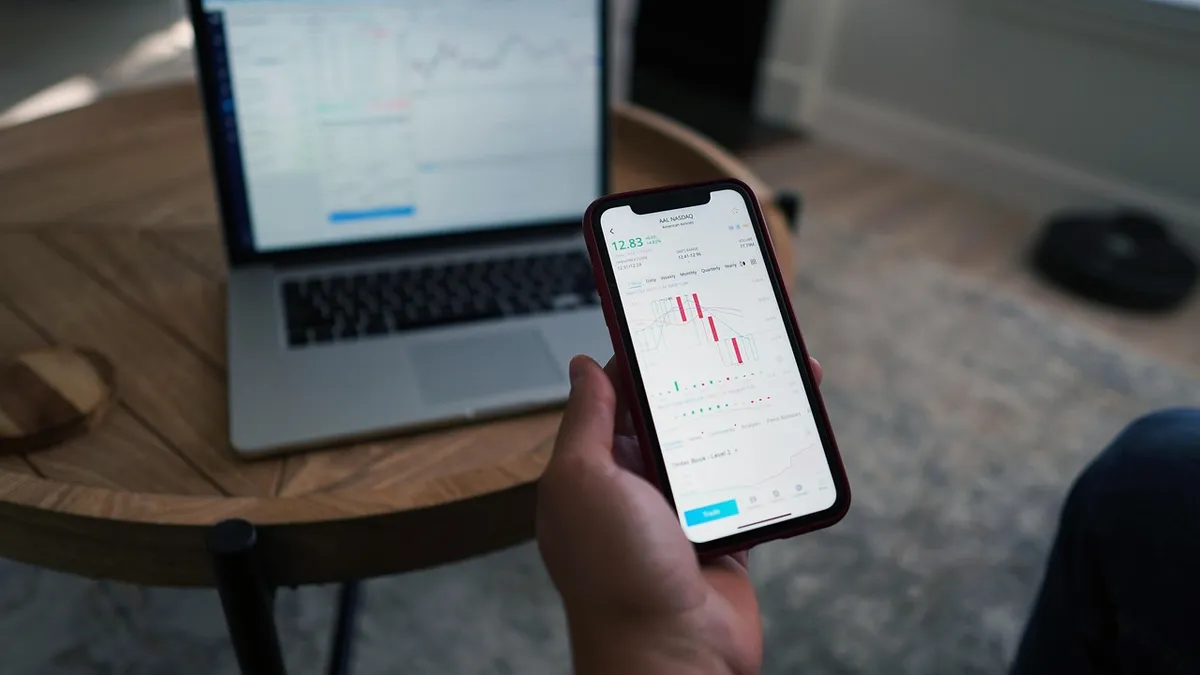
How Do You Build a Buy Sell Signal Setup That Filters Out the Noise?

Key points: Building a buy sell signal setup that filters noise means using at least two non-correlated indicators on the same chart, setting alerts instead of watching live, and defining your entry criteria before the market opens — not while a candle is forming. Structure removes emotion.
Choose your trend filter first
Open TradingView on the daily timeframe for your chosen instrument. Add the 200 EMA. Do not add anything else yet. Spend one week simply noting whether price is above or below it each day. This single habit reframes how you read every signal that comes after.
Add one momentum indicator — just one
Drop to your trading timeframe (many Australian retail traders use the 4-hour or 1-hour chart). Add RSI set to 14 periods. Your rule: only take buy signals when RSI crosses back above 30 from below, and only when daily price is above the 200 EMA. Only take sell signals when RSI crosses below 70 from above, and daily price is below the 200 EMA. That is your entire entry system. Write it down.
Set your alert, then close the chart
TradingView’s alert system is genuinely underused. Set a price alert or indicator alert for your entry condition. When it fires, you open the chart, check the context in thirty seconds, and decide. This is not laziness — it is discipline. Traders who watch charts continuously overtrade. The data on active traders with 50 or more open positions per month is telling: according to ASIC Report 828, 19% of otherwise-profitable active traders ended up losing money after fees in FY2023–24. More activity, worse outcomes.
Define your stop and target before you enter
This is where most setups collapse. The entry is clear, but the exit is vague. Before any trade, write down: where does this setup become wrong? That is your stop. Where does it reach its logical target? That is your exit. If you cannot answer both questions before clicking buy or sell, the setup is not ready.
Run it on paper for 20 trades before going live
This is the step that separates traders who build lasting systems from those who cycle through setups every month. Twenty trades is enough to see whether a setup has a structural edge or whether it was just lucky in the first five. It takes patience. It also takes about four to eight weeks depending on how often your signal fires — and that is fine.
Expert tip: Crazii JTVertex recommends ignoring any signal provider or script with fewer than 100 completed trades in their public history. That is a personal heuristic, not a statistical rule — but it is grounded in the reality that small sample sizes hide losing strategies. Fifty trades can look brilliant by chance. A hundred trades starts to show the truth.
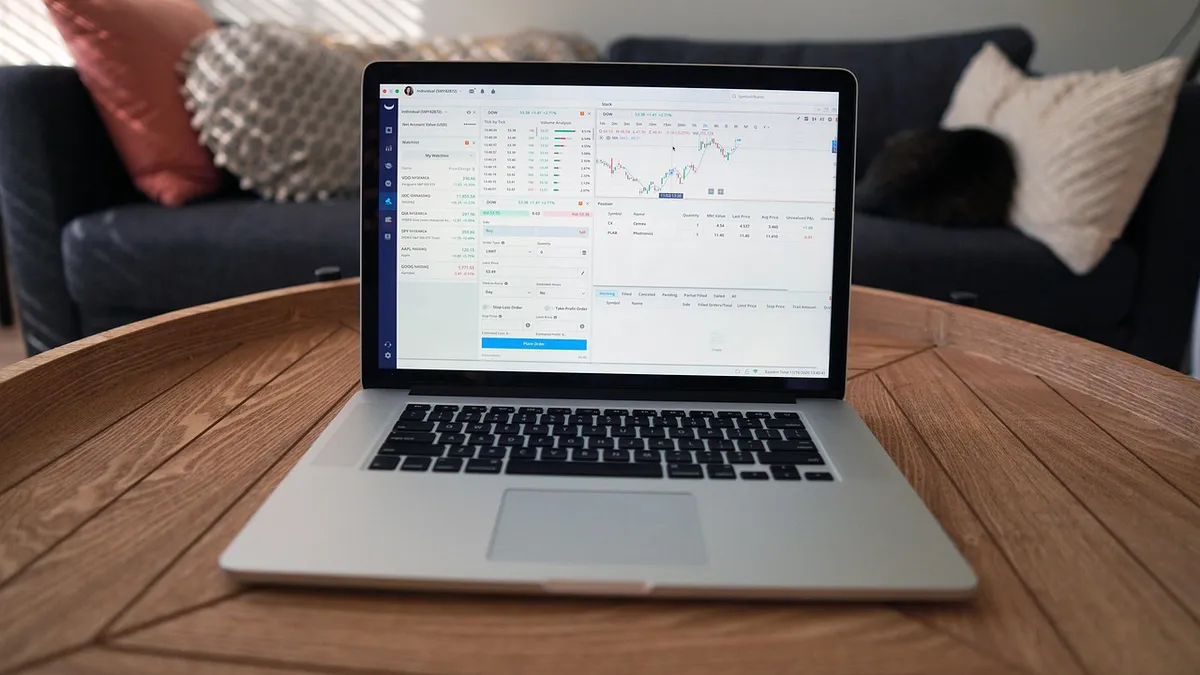
Build your setup with the right platform behind you
Crazii JTVertex connects you to a trading environment where signal setups are supported with real community feedback — not just algorithms.
Explore CraziiWhat Are the Most Common Mistakes Traders Make With Buy Sell Signals?
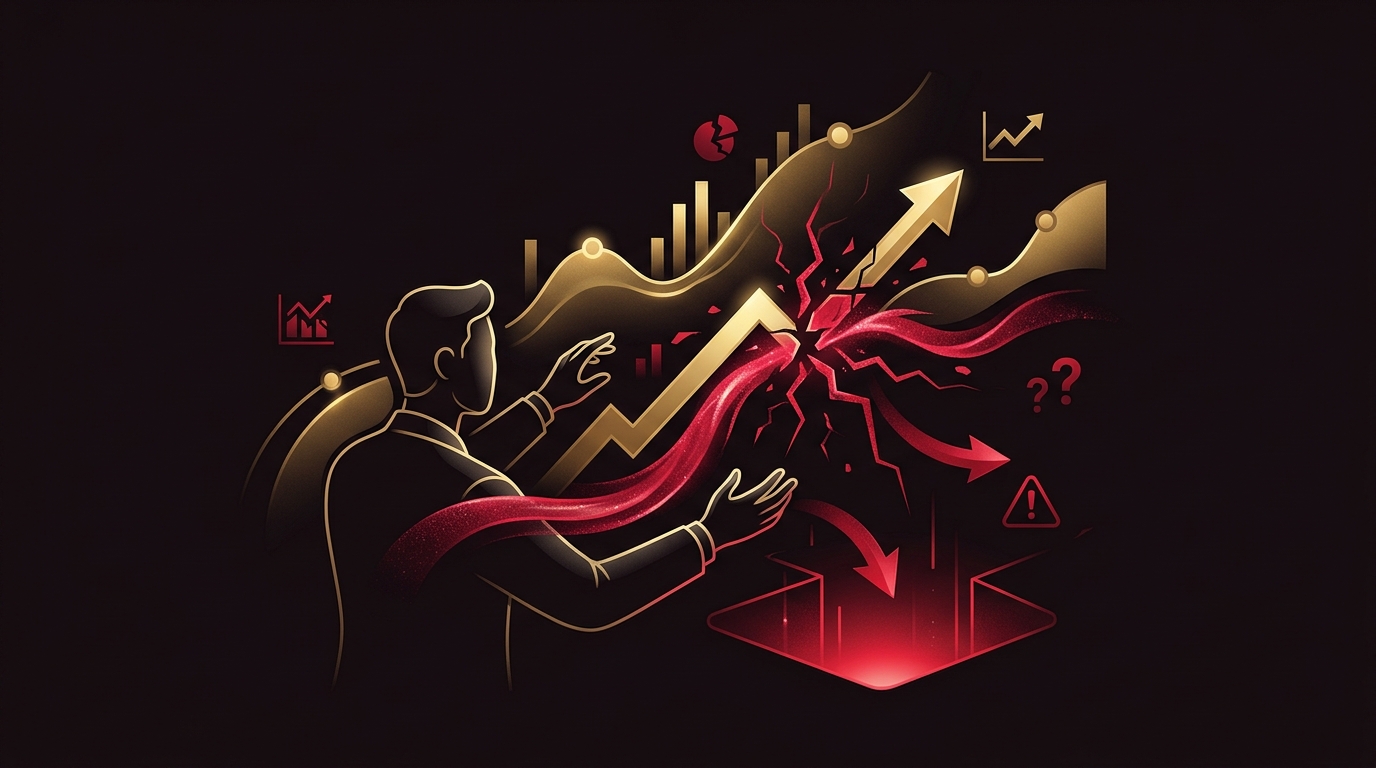
Key points: The most common mistakes with TradingView buy sell signals are using too many indicators at once, ignoring the broader trend context, and treating every signal as mandatory. A signal is a suggestion. Your job is to decide whether the context supports acting on it.
Adding RSI, Stochastic RSI, and CCI to the same chart feels like triple confirmation. It is not. All three are momentum oscillators derived from price. They will agree most of the time — and they will all be wrong at the same time. True confluence comes from non-correlated sources: a momentum indicator plus a volume indicator plus a trend filter. Different data inputs, not different names for the same calculation.
A buy signal on the 15-minute chart during a strong daily downtrend is not an opportunity. It is a counter-trend scalp with the full weight of the larger timeframe working against you. The signal fires, you enter, price bounces briefly, then continues lower. The indicator was technically correct on the 15-minute. The context was wrong. Always check the daily before you act on anything below it.
This one is quiet and expensive. According to ASIC Report 828, fees alone flipped 5% of retail clients from profit to loss in FY2023–24 — meaning those traders would have made money if they had simply traded less. Think about that: one in twenty profitable traders ended the year in the red purely because of transaction costs. Every unnecessary trade has a cost. Selectivity is a skill, and it is one that the signal-heavy approach actively works against.
A 20% drawdown on your trading account is a meaningful warning sign — not a fact about where you must stop, but a personal heuristic worth taking seriously. If a setup loses 20% of your account before producing a winning run, the setup may be fundamentally flawed, or the position sizing is too aggressive. Either way, continuing without reviewing the approach is the mistake. The setup should have a review trigger built in before you start, not after the damage is done.
The evidence: ASIC Report 828 reports that 85% of retail clients lost money trading options CFDs in FY2023–24 — the highest loss rate of any product category in the report. Options CFDs carry additional complexity on top of standard CFD risk. If your signal setup involves these products, the bar for setup quality and risk management is proportionally higher.

TradingView Signal Setups vs Manual Chart Reading: Which Is Better for Australian Traders?

Key points: TradingView signal setups and manual chart reading are not opposites — the best approach for most Australian retail traders is a hybrid: use signals to flag opportunities, then apply manual context to decide whether to act. Pure automation without discretion tends to underperform in volatile or news-driven conditions.
| Approach | Best For | Key Advantage | Key Limitation |
|---|---|---|---|
| TradingView Signal Setup (automated alerts) | Part-time traders, busy schedules | Removes screen time; reduces emotional trading | Can miss contextual nuance in fast markets |
| Manual Chart Reading | Full-time traders, experienced discretionary traders | Adapts to changing market conditions in real time | Time-intensive; prone to emotional bias |
| Hybrid (signals + discretionary filter) | Most Australian retail traders | Efficiency of automation plus human context check | Requires discipline to not override the system constantly |
The evidence: MetaQuotes reports over 3,200 free and commercial signals available on the MetaTrader platform alone. The sheer volume means selection quality matters enormously — and personal heuristics like checking trade count history (the author’s rule of thumb: look for at least 100 completed trades before trusting a signal provider’s track record) become a practical filter in a crowded marketplace.
Expert tip: Crazii JTVertex has found that traders who write a one-sentence trade rationale before entering — literally typing “entering because RSI crossed 30 from below on 4H, daily trend is up” into a trade journal — make materially fewer impulsive exits. The act of writing forces a moment of conscious decision-making that breaks the reflex loop. It takes 20 seconds. It changes the outcome of the trade more often than any indicator adjustment.
Frequently Asked Questions About TradingView Buy Sell Signal Setups

Key points: The most common questions about TradingView buy sell signal setups centre on accuracy, indicator choice, timeframe selection, and risk. The answers below reflect real trading experience and publicly available data — not theoretical ideals.
Are TradingView buy sell signal indicators accurate?
No indicator is accurate in isolation. Accuracy improves when signals are filtered by trend context and confirmed by a second non-correlated indicator. The goal is not a high signal count — it is a high-quality signal count. Fewer, better signals with defined risk parameters consistently outperform high-frequency signal approaches in retail trading environments.
What is the best timeframe for a TradingView buy sell signal setup?
For most Australian retail traders with limited screen time, the 4-hour chart offers a practical balance between signal frequency and noise reduction. Day traders may prefer the 1-hour or 15-minute chart, but these require active monitoring. Always check the daily chart for trend direction before acting on signals from any lower timeframe.
Can I use TradingView buy sell signals for ASX stocks?
Yes. TradingView supports ASX-listed equities, and the same signal logic — trend filter plus momentum trigger — applies. However, ASX stocks have lower liquidity outside market hours, so signal setups that rely on volume data should be interpreted with the trading session in mind. Signals generated outside ASX trading hours carry less weight.
Do TradingView buy sell signal scripts repaint?
Some do, and this is a serious issue. A repainting script changes its historical signals after the candle closes, making past performance look better than it was in real time. To check: look for “barstate.isconfirmed” in the Pine Script code. Scripts without this condition are more likely to repaint. Always verify any new script on a live chart before trusting its backtest results.
Who should not use automated TradingView buy sell signal setups?
Traders who do not understand what the underlying indicator measures should not rely on automated signals without further education. Signal setups are tools, not decisions. If you cannot explain why a signal fired, you cannot evaluate whether the context supports acting on it. Building that understanding first — even if it takes a few extra weeks — is the more reliable path.
Note: This content is general information only and does not constitute personal financial advice. Trading CFDs, margin FX, and other leveraged products carries significant risk — according to ASIC Report 828, 68% of retail CFD clients in Australia lost money in FY2023–24. You should consider your own financial circumstances, objectives, and risk tolerance, and read all relevant Product Disclosure Statements before trading. If in doubt, seek advice from a licensed financial adviser.
Want to talk through your setup before you go live?
Crazii JTVertex is available for direct questions — reach out through the contact page or join the group chat for community support from traders who are in the market daily.
Contact Crazii JTVertex
Leave a Reply