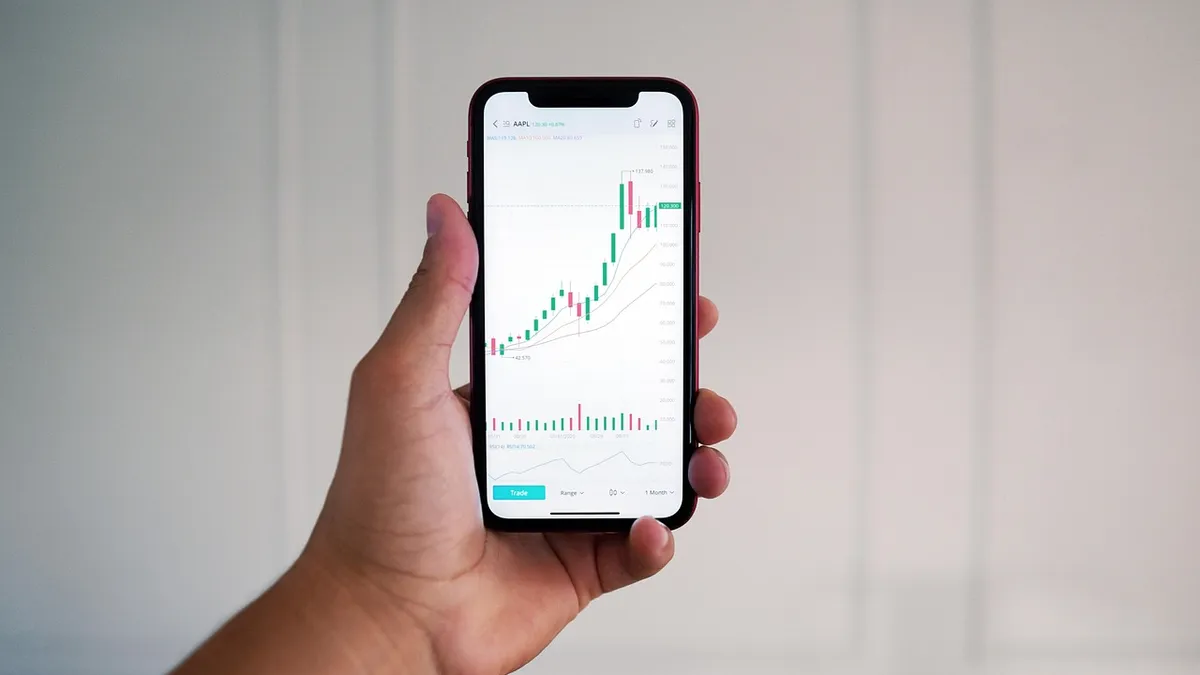
A trading signal is a trigger — a specific, data-driven cue that tells you when to enter or exit a trade, based on technical indicators, price action, or a combination of both. At Crazii JTVertex, we work directly with Australian retail traders who are building their edge from the ground up, and the single most common gap we see is not a lack of ambition — it is the absence of a clear, repeatable decision-making framework. This guide, What Is a Trading Signal and Why It Matters in 2026, will give you exactly that framework. By the time you finish reading, you will know what a trading signal actually is, how to evaluate one honestly, and which mistakes are quietly draining traders around you right now.
Important note: This article is general information only and does not constitute personal financial advice. Trading CFDs, forex, and related instruments carries significant risk. According to ASIC Report 828 (January 2026), 68% of Australian retail CFD clients lost money in FY2023–24. Please consider your own circumstances and read all relevant disclosure documents before trading.
Not sure where to start with trading tools?
Crazii JTVertex’s community gives Australian traders access to structured signal education, curated resources, and a support group — all in one place.
Join the CommunityTable of Contents
What Is a Trading Signal, Exactly?
Key points: A trading signal is a data-driven alert that indicates a potential entry or exit point in a market. It can be generated manually by an analyst, automatically by an algorithm, or via copy-trading platforms. Signals are tools for decision-making — not guarantees of profit.
The evidence: ASIC’s Report 828 (published 20 January 2026) found that 68% of Australian retail CFD clients lost money in FY2023–24. Only 32% made a net profit — and even among that group, fees consumed $26 million of their gains. The data is clear: the average retail trader is not winning, and unstructured decision-making is a significant contributing factor.
Expert tip: Crazii JTVertex has reviewed hundreds of trader journals over the years, and one pattern stands out consistently — traders who lose money in the first three months almost never had a defined entry condition. They were reacting to price, not to signals. The fix is not more screen time. It is one clear rule that tells you when to act and when to wait.
| Signal Type | Who Generates It | Best For | Key Risk |
|---|---|---|---|
| Manual (analyst) | Human trader or analyst | Traders who want context and reasoning | Subjectivity, delayed delivery |
| Automated (algorithm) | Software / indicator rules | Traders who want speed and consistency | No market context, over-optimisation |
| Copy trading | Another live trader | Beginners wanting to learn by mirroring | Blindly following without understanding |
Want to see real trading signals in action?
The Crazii JTVertex blog covers signal frameworks built specifically for Australian retail traders — start with the pillar guide.
Read the Full Signal GuideHow Do Trading Signals Work in Practice?
Key points: Trading signals work by translating raw market data into actionable conditions. A signal typically specifies an instrument, a direction (buy or sell), an entry price zone, a stop-loss, and a take-profit level. Understanding each component is essential before relying on any signal.
The evidence: Among active traders executing 50 or more open positions per month, ASIC Report 828 found that 19% of otherwise-profitable clients lost money after fees in FY2023–24. More activity does not equal more profit — and blindly acting on every signal without context is a fast path to being in that 19%.
Expert tip: We always look at the signal’s timeframe before anything else. A signal generated on a 15-minute chart has a very different risk profile than one generated on a 4-hour chart — even if the entry, stop-loss, and take-profit numbers look similar. The timeframe tells you how long you are likely to be in the trade, and that changes everything about position sizing.

Why Trading Signals Matter More Than Ever in 2026
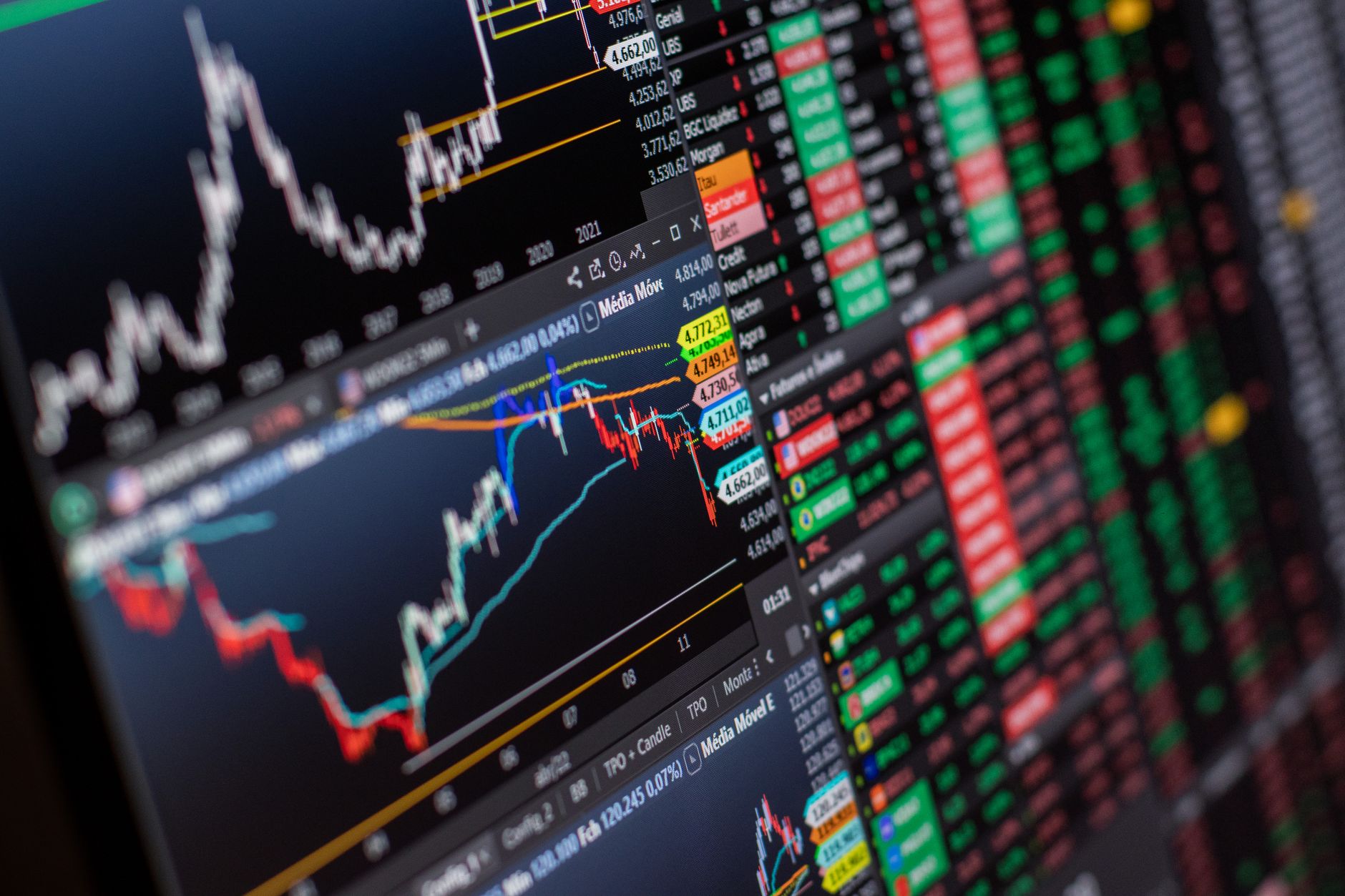
Key points: In 2026, the Australian retail trading landscape has changed significantly — the active CFD client base has shrunk by 76% since pre-intervention levels. Traders who remain are more serious, better informed, and competing in a more efficient market. Signals provide the structured edge that separates disciplined traders from those who are simply guessing.
The evidence: ASIC Report 828 recorded 26,243 Australian retail clients using copy trading in FY2023–24, with ASIC noting “a growing interest in copy trading.” This is a signal-adjacent behaviour — and the growth suggests that Australian traders are actively seeking structured, systematic approaches to market participation.
Expert tip: Crazii JTVertex has noticed that the traders who last longest in this market are not the ones with the most sophisticated signals — they are the ones who use a single, well-understood signal type consistently for at least three months before adding complexity. Mastery of one edge beats superficial knowledge of ten.
Ready to trade with a structured signal framework?
AIMS gives Australian traders access to a professional trading environment with the tools to apply signal-based strategies from day one.
Open an AIMS AccountThe Biggest Mistakes Traders Make With Trading Signals

Key points: The most damaging mistakes with trading signals are not technical — they are behavioural. Treating a signal as a guarantee, ignoring the stop-loss, and chasing signals across too many instruments are the three patterns that consistently turn structured tools into expensive habits.
A signal is a probability statement, not a promise. When a signal fires on RSI below 30, it means the asset is in oversold territory by that indicator’s definition — not that the price will reverse. The market can stay oversold for hours, days, or longer. James made this mistake in month two: he entered a sell signal on GBPUSD, ignored the broader uptrend on the daily chart, and held the position because “the signal said so.” The position ran against him for 48 hours before he finally closed it at a loss that took six subsequent winning trades to recover.
This is the most financially dangerous habit in retail trading. The stop-loss is not optional. It is the single mechanism that prevents a bad trade from becoming an account-ending event. ASIC’s data showing that 5% of retail clients would have been profitable in FY2023–24 but ended up in loss purely because of fees is striking — but an even larger silent group lost because they moved their stop-losses wider to “give the trade more room,” and the trade never came back. We have a personal rule: if we ever feel the urge to move a stop-loss further away from the entry, we close the trade instead. That rule has saved more capital than any signal ever has.
More signals do not equal more opportunities. They equal more noise. When you are receiving alerts from three different Telegram channels, a MetaTrader signal subscription, and a copy-trading account simultaneously, and they all fire within 20 minutes of each other on different instruments, you will do one of two things: freeze, or overtrade. Both are expensive. The traders who perform best with signals, in Crazii JTVertex’s experience, pick one source, follow it for a minimum of 30 trades before judging it, and resist the temptation to add another until they have a clear result.
The evidence: ASIC Report 828 found that among active traders placing 50 or more open positions per month, 19% of those who would otherwise have been profitable ended up losing money after fees. Higher frequency trading correlated with worse outcomes — a direct consequence of acting on too many signals without adequate selectivity.
Expert tip: Crazii JTVertex’s personal threshold — which is a heuristic, not a statistical rule — is to disregard any signal source that cannot show at least 100 completed trades in its history. Fewer than that and the win rate is statistically meaningless. A provider showing 15 trades at 80% accuracy is showing you almost nothing.
How to Evaluate a Trading Signal Before You Trust It
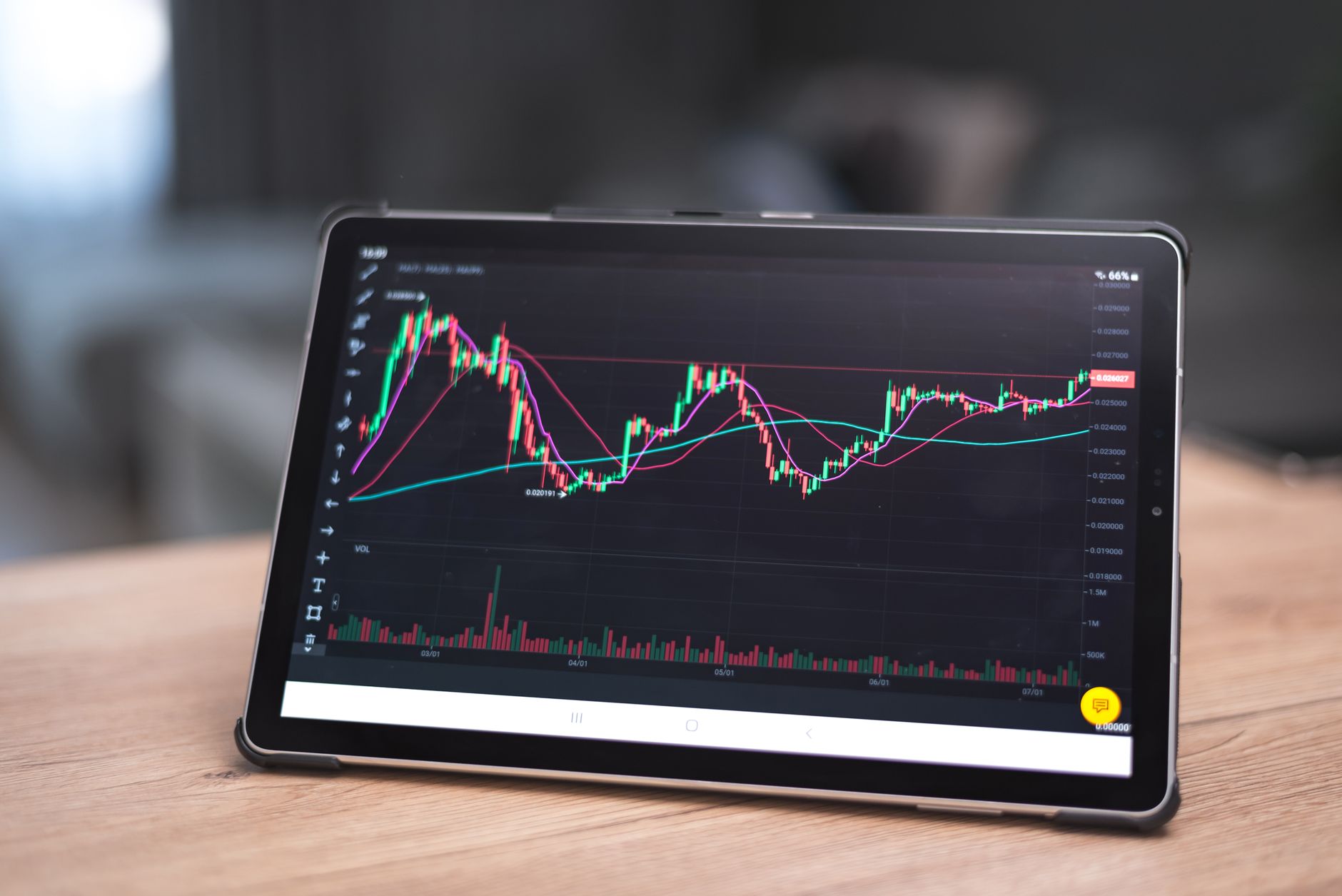
Key points: Evaluating a trading signal means examining its track record, understanding its methodology, and assessing whether its risk parameters match your own. A signal with a 60% win rate but a poor risk-to-reward ratio can still be a net losing strategy over time.
Check the track record depth
As a personal heuristic, we do not take any signal source seriously until it has at least 100 completed trades documented. Win rate figures based on fewer trades than that are statistically fragile — a provider with 20 trades at 75% accuracy could easily be at 45% by trade 100. Look for a sample that spans different market conditions: trending, ranging, and volatile.
Assess the risk-to-reward ratio
A signal with a 50% win rate can be profitable if the average winning trade is twice the size of the average losing trade. Conversely, a signal with a 70% win rate can be a losing strategy if the losses are three times the wins. Always ask: what is the average risk-to-reward ratio on completed trades? If the provider cannot answer this, that is your answer.
Understand the methodology
Does the signal provider explain what generates their signals? Is it based on moving average crossovers, RSI divergence, price action patterns, or something else? You do not need to be an expert in their method — but you need to understand it well enough to know when it is likely to fail. Every methodology has market conditions where it underperforms. If the provider claims their system works in all conditions, walk away.
Evaluate the drawdown history
Drawdown is the peak-to-trough decline in an account following a series of losses. As a personal heuristic, we treat any signal source showing a historical drawdown above 20% with significant caution — not because 20% is a magical number, but because a drawdown of that magnitude on a real account will test the emotional limits of most retail traders. If you cannot psychologically sustain the drawdown, you will exit the strategy at the worst possible moment.
Paper trade it first
Before committing real capital to any signal source, follow it for two to four weeks on a demo account. This is not about whether the signals are profitable in that window — two weeks is too short to judge. It is about understanding the rhythm: how frequently signals fire, how long positions stay open, and whether the process fits your schedule and temperament. James eventually did this. He found that the signal provider he was following issued most alerts between 2:00 and 4:00 AM Sydney time — which was completely incompatible with his life.
Frequently Asked Questions About Trading Signals
Are trading signals suitable for complete beginners in Australia?
Trading signals can help beginners build structure, but they are not a substitute for foundational knowledge. If you do not understand what a stop-loss is or how leverage works, a signal will not protect you from those gaps. Start with education, then layer in signals as a decision-support tool — not a replacement for understanding.
How much do trading signals typically cost?
Costs vary widely. MetaTrader’s built-in marketplace includes free signals alongside commercial subscriptions. Paid Telegram-based signal services range from modest monthly fees to premium packages. The cost is less important than the documented track record — a free signal with 200 verified trades is worth more than an expensive one with 10.
Can trading signals guarantee a profit?
No. Any signal provider claiming guaranteed profits is making a statement that is both factually false and, in the Australian context, potentially in breach of ASIC’s regulatory expectations. Signals improve decision structure — they do not eliminate market risk. ASIC data shows 68% of Australian retail CFD clients lost money in FY2023–24 despite access to various signal and analytical tools.
What is the difference between a trading signal and copy trading?
A trading signal is an alert that you act on manually — you receive the information and decide whether to execute. Copy trading automatically mirrors another trader’s positions in your account. Copy trading removes the execution step but also removes your control. ASIC recorded 26,243 Australian retail clients using copy trading in FY2023–24, reflecting growing interest in more automated approaches.
How do I know if a signal provider is trustworthy?
Look for verifiable trade history with at least 100 completed trades, a clearly explained methodology, transparent drawdown data, and no claims of guaranteed returns. Be cautious of providers who cannot or will not share their historical performance in detail. If the track record only exists as screenshots, that is insufficient verification.
—Want to talk through your signal strategy with someone who trades?
Crazii JTVertex offers direct support for Australian traders building their first systematic approach. Get in touch — no obligation, no sales pitch.
Get in TouchDisclaimer: This content is general information only and does not constitute personal financial advice. Trading CFDs, forex, and margin products involves significant risk of loss. Past signal performance is not indicative of future results. Please consider your own financial situation and read all relevant product disclosure statements before making any trading decisions. Data cited from ASIC Report 828, published 20 January 2026.
Leave a Reply