Category: Crypto Buy and Sell Signals

  • Best Crypto Buy Sell Signals That Remove Emotional Guesswork

    Best Crypto Buy Sell Signals That Remove Emotional Guesswork

    The best crypto buy sell signals cut through the noise of volatile markets by giving you a structured, rules-based entry and exit point — so you stop trading on gut feeling and start trading on evidence. At Crazii JTVertex, we’ve spent years working with Australian retail traders who came to us after making the same costly mistake: letting emotion call the shots. This guide on best crypto buy sell signals that remove emotional guesswork will show you exactly how to read, evaluate, and act on signals without second-guessing yourself at 2 am. By the time you finish reading, you’ll have a clear framework for choosing signals that match your risk tolerance — and you’ll know the three red flags that quietly drain accounts before traders even notice them.

    Important note: This article is general information only and does not constitute personal financial advice. Crypto and CFD trading carries significant risk of loss. Please consider your own financial circumstances and read all relevant disclosure documents before trading. Past performance of any signal is not a reliable indicator of future results.

    Ready to trade with a structured edge?

    Crazii JTVertex connects Australian traders with curated signal tools and a community that holds you accountable — not just hype.

    Join Crazii Now
    Table of contents

    What Are Crypto Buy Sell Signals and How Do They Actually Work?

    What Are Crypto Buy Sell Signals and How Do They Actually Work?
    💡

    Key points: Crypto buy sell signals are rule-based alerts — generated by technical indicators, algorithms, or analyst review — that tell you when conditions favour entering or exiting a position. They remove the need to interpret raw charts yourself, replacing guesswork with a repeatable decision trigger.

    Here’s the honest version nobody tells you at the start. A signal is not a tip. It is not a hot take from a Telegram channel with a rocket emoji. A genuine crypto buy sell signal is a conditional statement: “When X market condition is met, the historical probability of Y outcome rises enough to justify a position with Z risk parameters.” That’s it. The emotion-removal happens because you define the rule before the candle forms — not while you’re watching your account balance tick down at midnight. Most signals are built on a combination of technical indicators. The RSI (Relative Strength Index) flags overbought conditions above 70 and oversold conditions below 30 — those thresholds, set by Welles Wilder, are the standard. Moving average crossovers identify trend shifts. Volume divergence spots moments when price moves without conviction behind them. A well-structured signal layers at least two of these together so that a single false reading doesn’t trigger a trade. What separates a useful signal from a useless one is context. Bitcoin behaving like this at 3 am Sydney time on a low-volume Sunday is not the same setup as the same chart pattern during a US market open. The best crypto buy sell signals account for session context, liquidity windows, and recent volatility regime. Most retail traders skip this entirely and wonder why the signal “didn’t work.”

    The evidence: According to ASIC’s Report 828 (published January 2026, covering FY2023–24), 68% of Australian retail CFD clients lost money — 133,674 people, with net losses exceeding $458 million in a single financial year. That figure includes $73 million in fees. The implication is stark: the majority of retail traders are making decisions that consistently cost them money, and fees compound the damage even for those who would otherwise break even.

    Think about what $458 million in losses across one year actually means. That’s roughly the annual budget of a mid-sized Australian regional council — gone from retail trading accounts in twelve months. Not from one bad trade. From thousands of small, emotionally driven decisions repeated daily.

    Expert tip from Crazii JTVertex: The first signal system I ever built had seven conditions before it would fire. It barely triggered. Then I stripped it back to three conditions and the win rate dropped because I’d removed the filters that mattered most. The lesson: more conditions isn’t always better, but the right two or three conditions — particularly one that confirms trend direction and one that confirms momentum — outperform a dozen loosely related indicators stacked together. If your signal fires more than twice a day on a single asset, something is probably miscalibrated.

    1

    Identify the signal type

    Determine whether the signal is indicator-based (RSI, MACD, Bollinger Bands), pattern-based (breakout, reversal), or sentiment-based (on-chain data, social volume). Each type works differently across market conditions.

    2

    Check the confirmation layer

    A single-indicator signal is a suggestion. Two confirming indicators pointing the same direction is a signal worth considering. Three is worth acting on — provided risk parameters are set first.

    3

    Define entry, stop-loss, and target before you open the position

    This is where emotion gets evicted. If you write down your exit before you enter, the decision is made in a calm state — not mid-candle when adrenaline is making the call.
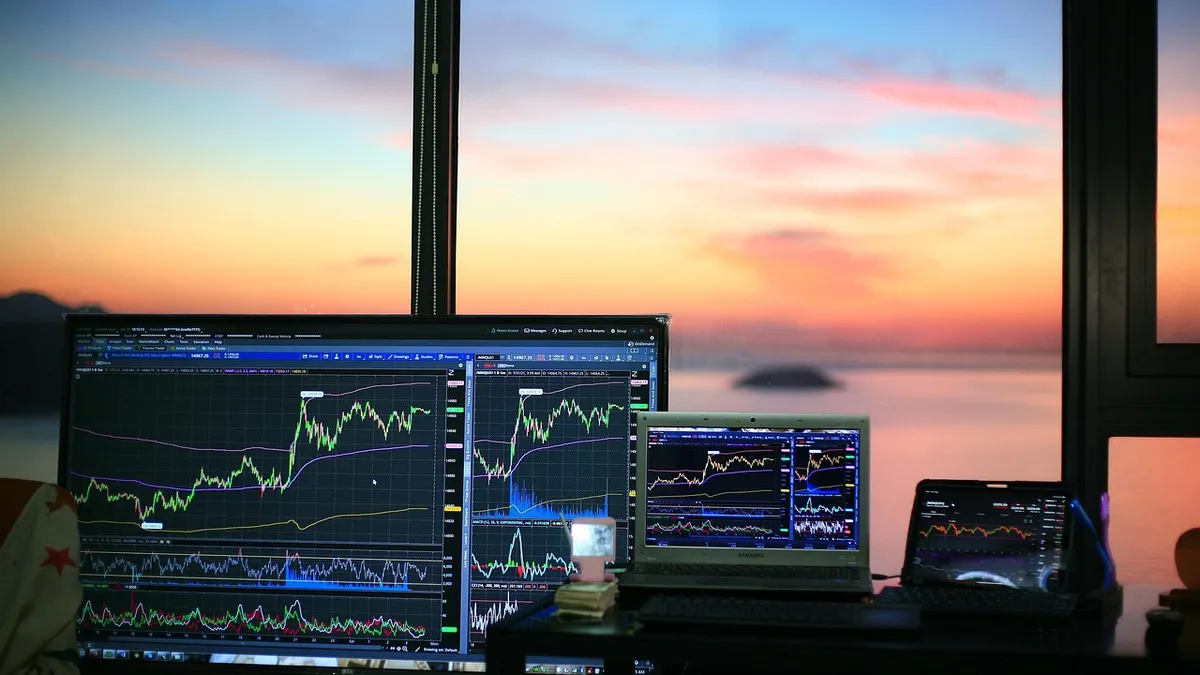
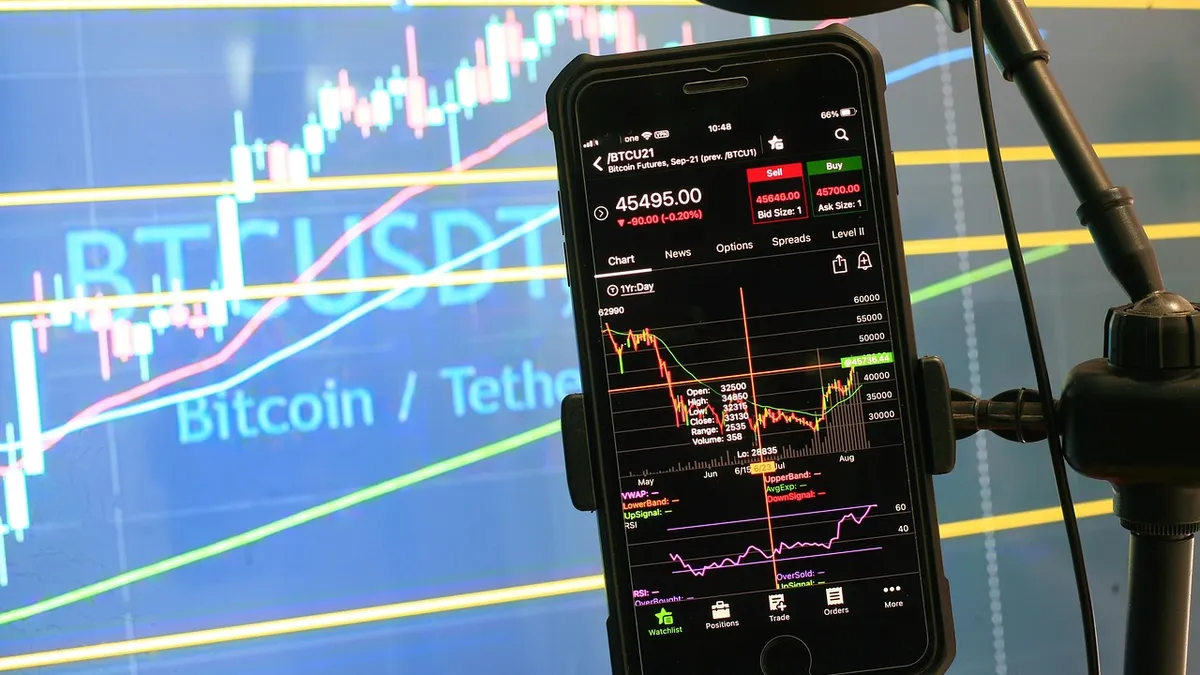
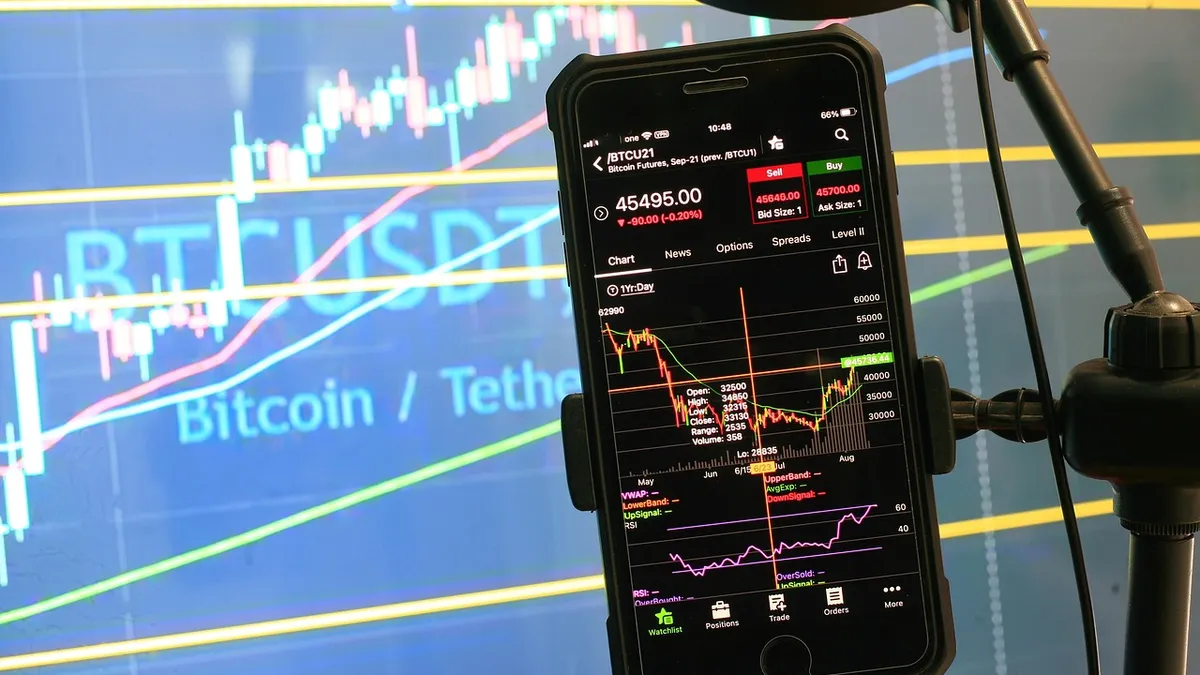
    best crypto buy sell signals explained with RSI and moving average indicators — Crazii JTVertex
    How crypto buy sell signals combine technical indicators to generate structured trade alerts · Photo: sergeitokmakov / Pixabay

    Why Do the Best Crypto Buy Sell Signals Outperform Emotional Trading?

    Why Do the Best Crypto Buy Sell Signals Outperform Emotional Trading?

    Get structured crypto signal access through Crazii

    Stop trading on instinct. Crazii JTVertex gives you access to curated tools and a community of traders who use rules-based systems — not emotion.

    Access Signal Tools
    💡

    Key points: Emotional trading creates inconsistent decision-making — the same chart pattern triggers a buy on Monday and a freeze on Thursday, depending on how the trader feels. Rules-based signals enforce consistency by removing the human mood variable from the equation, which is the single biggest edge available to retail traders.

    Meet Daniel. He’s 34, works in logistics in Brisbane, and started trading crypto in 2022 with genuine enthusiasm. He wasn’t reckless. He read articles, watched YouTube tutorials, and built what he thought was a solid strategy. But every time the market dropped sharply, Daniel would either panic-sell too early or hold too long hoping for a recovery. The chart didn’t change his approach — his emotions did. This is not a character flaw. It is a structural problem. The human brain processes a financial loss roughly twice as intensely as it processes an equivalent gain. That asymmetry means a $500 loss feels worse than a $500 profit feels good. So traders hold losing positions too long (hoping to avoid locking in the pain) and cut winning positions too early (grabbing the dopamine hit before it disappears). Signals interrupt this loop by making the exit decision before the emotional weight arrives. For Australian traders specifically, the ASIC data makes this concrete. Among active traders — those with 50 or more open positions per month — 19% of clients who would otherwise have been profitable ended up losing money once fees were accounted for (ASIC, Report 828, January 2026). Think about that: more trading activity, for this group, turned a winning strategy into a losing one. That’s the cost of overtrading, which is itself an emotional behaviour — the urge to “do something” when the market moves.

    The evidence: ASIC’s Report 828 found that 5% of retail clients would have made a net profit but ended up in a loss position solely because of fees. Fees flipped one in twenty otherwise-profitable traders into the red — without a single bad trade decision involved.

    Five percent sounds small. In practice, that means roughly 6,600 Australian traders in FY2023–24 did everything right on the trade itself and still lost money. The signal didn’t fail them. The cost structure did — because emotional overtrading drove up their fee exposure. The best crypto buy sell signals address this indirectly by reducing trade frequency to only high-probability setups. Fewer trades means fewer fees. Fewer fees means the mathematical edge of a good signal system compounds rather than erodes. For Daniel — who we’ll come back to — the shift wasn’t finding a magic signal. It was accepting that fewer, better-defined entries were worth more than constant activity.

    Expert tip from Crazii JTVertex: I tracked my own trade journal for three months and found that 70% of my losing trades happened within the first 20 minutes after a major news event. Not because the signal was wrong — because I was overriding the signal with a “feeling” about where the market was heading. The fix was simple but uncomfortable: a self-imposed 20-minute no-trade window after any high-impact event. It’s not in any textbook. It’s just what the data from my own account showed me.
    For more on how to build a signal-informed strategy that links tools to execution, see our guide on best trading signals and tools for Australian traders in 2026 — it covers the full toolkit beyond signals alone.
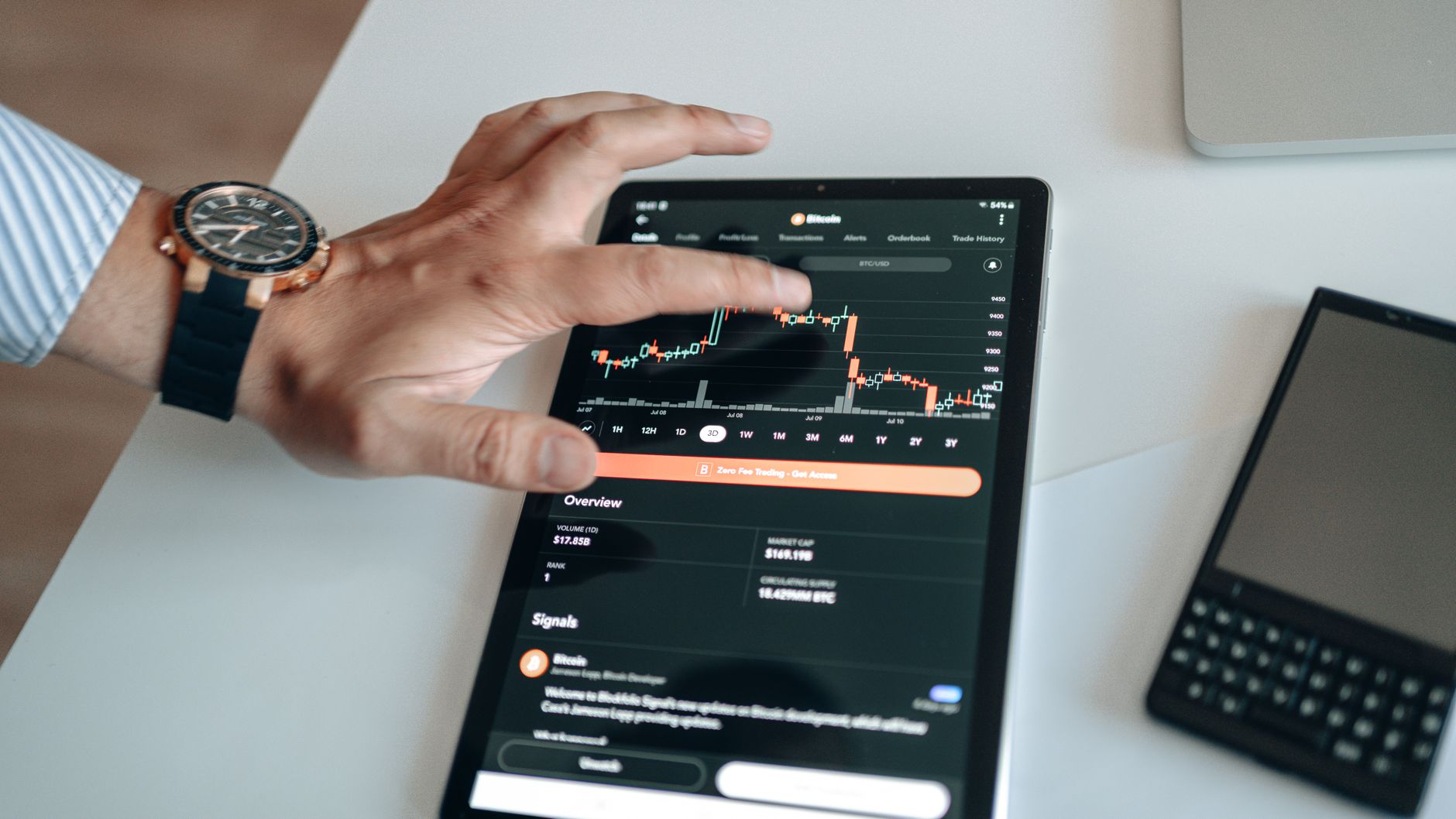
    emotional trading vs rules-based crypto signals comparison — Crazii JTVertex
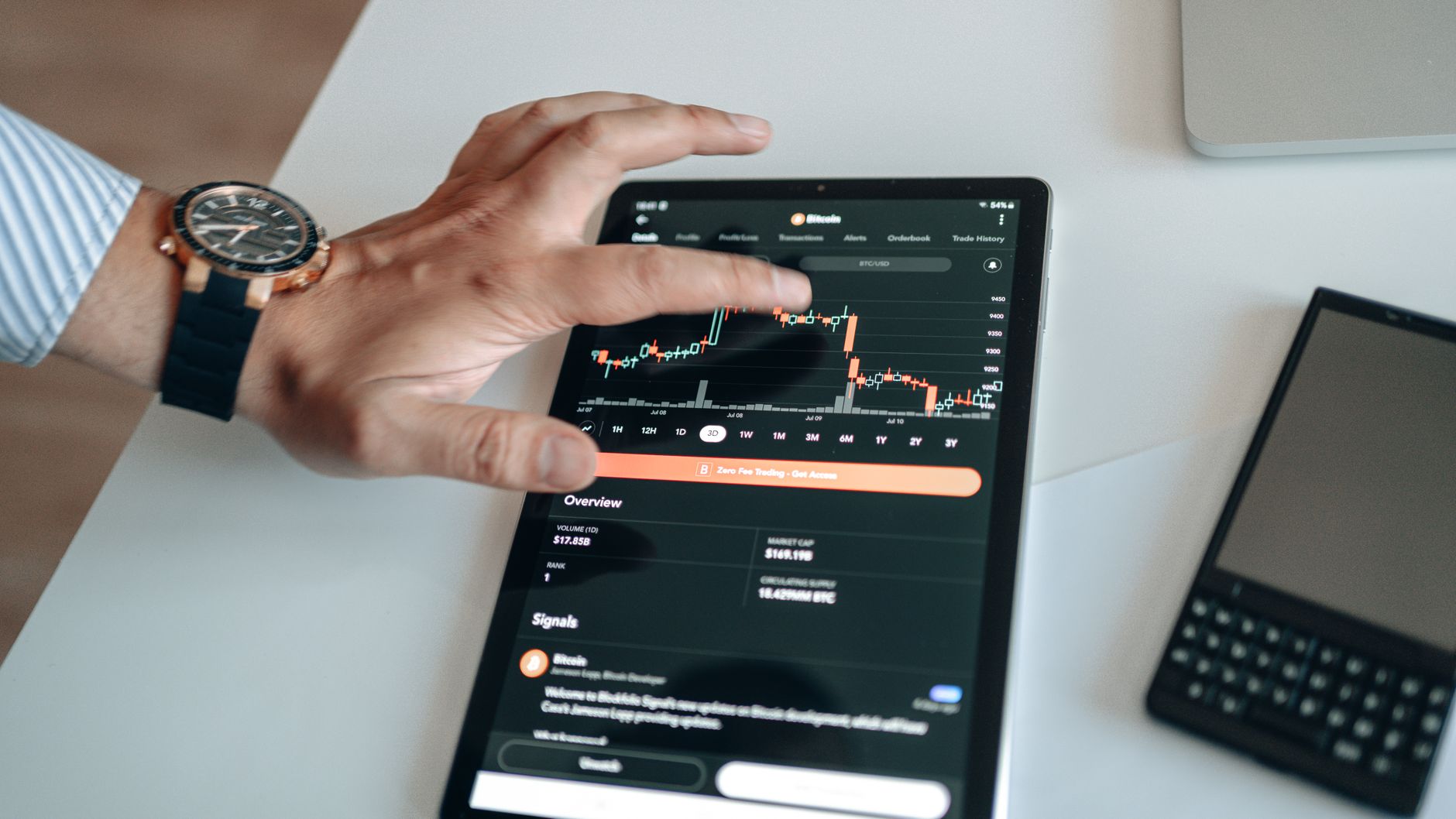
    Emotional decision-making versus structured crypto buy sell signal systems: the consistency gap · Photo: sergeitokmakov / Pixabay

    How to Evaluate a Crypto Signal Provider Before You Risk a Dollar
    How to Evaluate a Crypto Signal Provider Before You Risk a Dollar
    💡

    Key points: A credible crypto signal provider shows a verified track record of at least 100 completed trades, discloses drawdown figures alongside win rates, and does not promise guaranteed returns. Any provider that cannot show you a transparent trade history with losses included is not worth your time or capital.

    You’re probably thinking: “But how do I know which signal providers are legitimate?” Fair question. The space is full of noise. Here is the framework Crazii JTVertex uses. It’s not complicated, but most traders skip at least two of these steps. First, ignore win rate in isolation. A signal provider with a 75% win rate sounds impressive until you learn that the 25% of losing trades each lost three times more than the average winner. What matters is the risk-reward ratio multiplied by win rate — the expected value per trade. Ask for both numbers. If a provider only gives you win rate, they’re hiding something. Second, look at the number of completed trades in the track record. We personally disregard any signal history with fewer than 100 completed trades. Under that threshold, the results are statistically meaningless — a coin flip can produce an 80% win rate over 20 trades. A hundred trades starts to reveal whether the edge is real. Third, drawdown is the number that tells you whether you can actually follow the system. A signal service might show positive returns over twelve months, but if it went through a 35% drawdown in month four, most retail traders would have abandoned it — and locked in the loss — before the recovery. Ask: what was the maximum drawdown, and how long did it take to recover?

    The evidence: MetaQuotes’ MetaTrader platform hosts over 3,200 free and commercial signal providers through its built-in marketplace (MQL5, accessed June 2026). Scale is not the same as quality — but the volume means that verifiable track records exist and can be compared directly on the platform before you subscribe to anything.

    Three thousand-plus signal providers on one platform. That’s not a feature — that’s a filtering problem. The traders who do well are the ones who treat signal selection like due diligence, not like browsing a menu.
    Evaluation Criterion Red Flag Green Flag
    Trade history volume Fewer than 50 completed trades 100+ completed trades, full history visible
    Win rate presentation Win rate only, no loss data Win rate + average risk-reward ratio disclosed
    Drawdown disclosure Not mentioned or hidden Maximum drawdown stated with recovery period
    Return claims “Guaranteed profits” or specific % returns promised Historical results shown with risk disclaimer
    Fee transparency Fees buried or undisclosed All subscription and per-trade costs stated upfront

    Expert tip from Crazii JTVertex: One thing we always check that almost nobody else does: the signal provider’s performance during a sideways, low-volatility period. Any system can look good in a trending market. The ones worth following are the ones that either stayed flat or had a clearly defined “no signal” protocol during choppy conditions — rather than forcing trades and bleeding out slowly. If you can’t find data from a consolidation period in their history, ask for it directly. Their response tells you everything.
    If you want to see how specific Telegram-based signal channels stack up against these criteria, the article on best trading signals in Telegram channels worth subscribing to runs through that comparison in detail.
    how to evaluate crypto signal providers for Australian traders — Crazii JTVertex
    Signal provider evaluation checklist: what to ask before subscribing to any crypto signal service · Photo: TheInvestorPost / Pixabay

    The 3 Biggest Mistakes Traders Make With Crypto Buy and Sell Signals
    The 3 Biggest Mistakes Traders Make With Crypto Buy and Sell Signals

    Use signals the right way from day one

    The AIMS platform gives Australian traders a structured environment to act on signals with proper risk controls built in — not bolted on later.

    Open an AIMS Account
    💡

    Key points: The three most common signal mistakes are: following signals without a stop-loss, over-leveraging because the signal “looks certain,” and abandoning a valid signal system after a losing streak that falls within normal drawdown parameters. Each mistake is emotionally driven, not analytically driven.

    Mistake 1
    Using signals without a pre-set stop-loss

    A signal tells you when to enter. It does not protect you if the market moves against you. Traders who follow buy signals without placing a stop-loss are essentially driving without a seatbelt — the signal worked fine, but the risk management was missing. Every signal entry needs a defined exit on the downside before the position opens. This is non-negotiable, not optional.

    Mistake 2
    Over-leveraging because the signal “feels strong”

    This is where emotional trading sneaks back in through the side door. A trader receives a high-confidence signal and decides to increase position size beyond their normal risk parameters because “this one looks different.” ASIC’s data shows that 85% of retail clients lost money trading options CFDs in FY2023–24 — a product class where leverage amplifies both gains and losses. The signal quality doesn’t change the mathematics of leverage. A 20% drawdown on a 5x leveraged position is a 100% account loss.

    Mistake 3
    Abandoning a valid system during normal drawdown

    Every signal system has losing periods. A system with a genuine long-term edge will still produce losing streaks of five, seven, even ten trades in a row — that’s statistically normal. Most retail traders interpret a losing streak as evidence that “the signals stopped working” and switch to a different provider, starting the cycle again. Daniel from Brisbane did exactly this three times before he understood that the system wasn’t broken — his expectation of it was. Switching systems during drawdown locks in the loss and resets the clock on any edge you were building.

    Who should not use crypto signals at all? If you’re trading with money you cannot afford to lose, signals will not change that equation. If you are looking for a system that removes all risk, it does not exist. Signals reduce emotional error — they do not eliminate market risk. That distinction matters.

    The evidence: Among Australian retail CFD clients acquired through paid online advertising, 74% lost money in FY2023–24 — worse than the sector average of 68% (ASIC, Report 828, January 2026). Traders who arrive via hype-driven channels tend to have higher expectations and lower preparation. The entry point matters as much as the tool.
    For a deeper look at how to buy and sell crypto without the second-guessing that drives these mistakes, the guide on how to buy and sell crypto without second-guessing every move walks through the decision framework step by step.
    common mistakes using crypto buy sell signals and how to avoid them — Crazii JTVertex
    The three signal mistakes that cost Australian retail traders the most — and the fixes that actually work · Photo: InspiredImages / Pixabay

    Which Crypto Signal Tools Work Best for Australian Retail Traders?
    Which Crypto Signal Tools Work Best for Australian Retail Traders?
    💡

    Key points: For Australian retail traders, the most practical crypto signal tools combine accessibility (available during AEST trading hours), transparent track records, and integration with ASIC-aware platforms. MetaTrader’s signal marketplace, curated Telegram channels with verified history, and structured copy-trading platforms each serve different experience levels and risk profiles.

    Back to Daniel. After eighteen months of switching between signal providers and losing ground each time, he made one change: he stopped looking for the “best” signal and started asking a different question. Instead of “which signal has the highest win rate?” he asked “which signal system can I actually follow without overriding it?” That shift changed everything. The tools that work best for Australian retail traders are not necessarily the most sophisticated. They’re the ones you will actually stick to during a drawdown. Here’s how the main categories compare.
    Signal Tool Type Best For Key Advantage Watch Out For
    MetaTrader Signal Marketplace Traders already using MT4/MT5 Verified track record, 3,200+ providers, direct copy execution Quality varies enormously — filter by minimum 100 trades
    Curated Telegram Signal Channels Traders wanting community context Real-time alerts, analyst commentary, community discussion Unverified providers are common — check history before following
    Indicator-Based Platform Alerts Self-directed traders building their own system Full control over parameters, no subscription dependency Requires technical knowledge to set up correctly
    Copy Trading Platforms Beginners wanting automated execution Removes manual execution error, follows verified trader ASIC notes 26,243 retail clients used copy trading in FY2023–24 — growth area but still high-risk
    The copy trading figure from ASIC is worth pausing on. Twenty-six thousand Australian retail clients used copy trading in FY2023–24. That’s a growing number — but it’s still a fraction of the 119,300 active CFD clients per quarter in that same period. Most traders are still making manual decisions, which means most traders are still exposed to the emotional errors that signals are designed to prevent.

    Expert tip from Crazii JTVertex: We always tell traders to paper-trade a new signal system for at least four weeks before committing real capital. Not because the signal needs proving — but because you need to prove to yourself that you can follow it when it gives you a loss. The traders who skip this step are the ones who abandon systems at exactly the wrong moment. Four weeks of paper trading costs you nothing and shows you everything about your own psychology under pressure.

    The AEST time zone creates a specific challenge for Australian traders that most signal providers built for US or European markets don’t address. The most liquid crypto trading windows — US market open, London session overlap — fall at inconvenient hours for someone in Sydney or Melbourne. A signal system that fires at 11 pm AEST and requires manual execution is a system most Australian traders won’t follow consistently. Factor in your own schedule when choosing a tool, not just the tool’s performance metrics. For a detailed comparison of signal groups specifically evaluated for serious traders, the guide on best crypto trading signal group compared for serious traders breaks down the options with the same due-diligence framework covered in this article. Daniel, for his part, settled on a combination: a MetaTrader signal provider with a 200-trade verified history and a moderate drawdown profile, plus a Telegram channel that provides context during AEST hours. He stopped overriding signals. His account is not up dramatically — but it’s moving in the right direction, consistently, for the first time.
    best crypto signal tools for Australian retail traders compared — Crazii JTVertex
    Comparing crypto signal tool types for Australian traders: MetaTrader, Telegram, copy trading, and indicator alerts · Photo: padrinan / Pixabay

    Frequently Asked Questions About Crypto Buy and Sell Signals
    Frequently Asked Questions About Crypto Buy and Sell Signals
    💡

    Key points: The most common questions about crypto buy sell signals centre on accuracy, cost, legality in Australia, how to start safely, and whether signals work in bear markets. Each answer below is grounded in the actual mechanics of how signals function — not marketing claims.

    Are crypto buy sell signals legal for Australian traders?

    Yes. Using crypto signals as a trading tool is legal in Australia. However, if a signal provider is giving personalised financial advice (rather than general market information), they may need to hold an Australian Financial Services Licence. Always check whether the provider is ASIC-registered if they are making specific recommendations about your capital.

    How accurate are the best crypto buy sell signals?

    No signal is accurate 100% of the time — any provider claiming otherwise is misleading you. A well-constructed signal system with a genuine edge might achieve a 55–65% win rate with a favourable risk-reward ratio. The accuracy that matters is not win percentage alone, but expected value per trade over a statistically meaningful sample of completed trades.

    Can crypto signals work in a bear market?

    Some can. Signals built on trend-following logic tend to underperform in sideways or choppy conditions but can capture short-side moves in a sustained downtrend. The key is knowing what market regime your signal system was designed for — and not using it outside those conditions. A signal provider with a transparent bear-market track record is worth significantly more than one with only bull-market data.

    Do I need to be an experienced trader to use crypto buy sell signals?

    No — but you do need to understand basic risk management before you act on any signal. Knowing how to set a stop-loss, understanding position sizing relative to your account, and having a realistic expectation of drawdown are the minimum requirements. Signals reduce emotional error; they don’t replace foundational knowledge about how markets work.

    How do fees affect the performance of crypto signal systems?

    Significantly. ASIC’s Report 828 found that fees turned 5% of otherwise-profitable Australian retail traders into net losers in FY2023–24. For active traders (50+ positions per month), that figure rose to 19% of the otherwise-profitable group. A signal system that generates high trade frequency will accumulate fees quickly — always calculate your net-of-fees expected return, not the gross signal performance.

    Talk to Crazii JTVertex about your signal setup

    If you want a second opinion on the signal tools you’re considering — or you’re not sure where to start — join the community and ask directly. No sales pitch, just practical guidance from traders who’ve been through it.

    Join the Telegram Group

    Important note: Trading crypto and CFDs involves substantial risk of loss and is not suitable for all investors. The information in this article is general in nature and does not account for your personal financial situation, objectives, or risk tolerance. Always read the Product Disclosure Statement and consider seeking independent financial advice before trading. ASIC’s MoneySmart website (moneysmart.gov.au) provides free, unbiased information for Australian retail investors.
  • Best Crypto Trading Signal Group Compared for Serious Traders

    Best Crypto Trading Signal Group Compared for Serious Traders

    The best crypto trading signal group is not the one with the loudest Telegram channel or the flashiest win-rate screenshot — it is the one that survives scrutiny when you actually test it with real money on the line. At Crazii JTVertex, we have spent considerable time inside these groups, watching how signals perform across volatile market conditions, not just during the easy stretches. This comparison guide for serious Australian traders cuts through the noise and gives you a framework to evaluate any group before you trust it with your capital. By the end, you will know exactly what separates a signal group worth your time from one that quietly drains your account — and you will have a clear next step.

    Important note: This article is general information only and does not constitute personal financial advice. Crypto and CFD trading carries significant risk of loss. Please consider your own financial circumstances and read all relevant disclosure documents before making any trading decisions.

    Ready to trade with a group that takes risk seriously

    Join the Crazii JTVertex community and get access to structured signal analysis built for Australian market conditions.

    Join the Group
    Table of contents

    What makes a crypto trading signal group worth following in 2026?

    What makes a crypto trading signal group worth following in 2026?
    💡

    Key points: A legitimate crypto trading signal group publishes verifiable trade history across at least 100 completed trades, discloses drawdown alongside win rate, and never promises guaranteed returns. Transparency about methodology — not just results — is the minimum standard worth your attention.

    Most signal groups will show you their winners. That is the easy part. The real question is whether they show you the full picture — including the trades that went sideways at 2 am on a Tuesday when nobody was watching. Here is what Crazii JTVertex looks for before recommending any signal source to Australian traders. First, trade history depth. A group with 30 trades in its track record tells you almost nothing statistically meaningful. Minn personally ignores any group with fewer than 100 completed, timestamped trades. That is not an arbitrary number — it is the minimum sample where patterns begin to stabilise and luck starts separating from edge. Second, drawdown transparency. Win rate alone is a marketing number. A group boasting 85% accuracy could still destroy your account if the losing 15% of trades each lose three times what the winners gain. What you need to see is maximum drawdown — the deepest trough from peak to valley — expressed as a percentage of the starting balance. If a group will not publish this, that is your answer. Third, methodology disclosure. Does the group explain why a signal was generated? Is it based on on-chain data, technical indicators, order-book depth, or a combination? A signal without a rationale is a tip from a stranger. A signal with a clear, testable rationale is something you can evaluate and, critically, something you can learn from.

    The evidence: According to ASIC Report 828 (published January 2026, covering FY2023–24), 68% of Australian retail CFD clients lost money in a single financial year, with net losses exceeding $458 million across the sector. That figure includes $73 million in fees alone — meaning fees flipped 5% of otherwise-profitable retail clients into a loss. Among active traders making 50 or more open positions per month, 19% of those who would have profited ended up losing after fees were accounted for. More signals do not automatically mean better outcomes.

    Fourth, risk parameters. Does every signal come with a defined stop-loss level? Without a stop, a signal is incomplete. It tells you when to get in but leaves you guessing when to get out — which is exactly when discipline evaporates.

    Expert tip from Crazii JTVertex: One thing minn learned the hard way: a signal group that posts entries without stop-losses is not being helpful — it is offloading the hardest decision onto you. The first time minn followed an entry without a defined stop, minn held a losing position for eleven days waiting for “the signal provider’s update.” The update never came. Now, if there is no stop-loss in the signal, minn treats it as incomplete information and does not act on it.

    1

    Request the full trade log, not just the highlights

    Ask any signal provider for a timestamped export of every trade — entry, exit, result — for the past six months minimum. Legitimate groups will provide this without hesitation.

    2

    Calculate the risk-reward ratio yourself

    Divide average winning trade size by average losing trade size. If the ratio is below 1.5:1, the win rate needs to be very high to remain profitable over time — and high win rates rarely persist.

    3

    Paper-trade for two to four weeks before committing capital

    Follow every signal in a demo account first. This tells you whether the signals are executable in real time or whether they are posted after the move has already happened.

    best crypto trading signal group evaluation framework Crazii JTVertex
    Evaluating a crypto signal group requires more than checking win rate — drawdown, methodology, and stop-loss discipline matter equally. · Photo: sergeitokmakov / Pixabay

    How do the top crypto signal groups compare on the metrics that matter?

    How do the top crypto signal groups compare on the metrics that matter?
    💡

    Key points: When comparing crypto signal groups, the four metrics that separate genuine services from noise are: verified trade history length, published maximum drawdown, average risk-reward ratio, and whether stop-loss levels are included with every signal. No single metric tells the full story — you need all four.

    So what does the comparison actually look like when you line up the categories that matter? Let me walk you through the framework Crazii JTVertex uses. Think of it as a four-column scorecard. You are evaluating: (1) track record depth, (2) drawdown disclosure, (3) signal completeness — meaning entry, stop-loss, and target all included — and (4) community accountability, which is whether the group discusses losing trades openly or quietly deletes them.

    See how Crazii JTVertex structures its signal analysis

    Our approach to crypto buy and sell signals is built around risk-first thinking — not win-rate theatre. Explore the full toolkit at the link below.

    See the Full Toolkit
    Evaluation Criterion Weak Signal Group Credible Signal Group
    Trade history depth Under 50 trades, cherry-picked screenshots 100+ timestamped trades, exportable log
    Drawdown disclosure Win rate only, no drawdown mentioned Maximum drawdown published alongside win rate
    Signal completeness Entry only, no stop-loss or target Entry, stop-loss, and take-profit in every signal
    Loss transparency Losing trades deleted or ignored Losing trades discussed with post-analysis
    Methodology Vague (“proprietary algorithm”) Explained rationale — indicators, timeframes, context
    Fee structure Hidden or bundled with “VIP” tiers Clear, upfront, no performance-linked promises
    The column on the right is not a fantasy — these groups exist. They are just harder to find because they do not spend their budget on Telegram ads promising “10x signals daily.” Here is something worth sitting with. ASIC data from FY2023–24 shows that 26,243 retail clients in Australia used copy trading — which is the closest regulated equivalent to following signal groups. That is a meaningful number of people delegating trading decisions to someone else. The question is not whether to use signals at all. The question is whether you are choosing the right one with the right framework. For Australian traders specifically, the **best trading signals and tools for Australian traders in 2026** require an additional layer of scrutiny: ASIC compliance awareness. A signal group operating from offshore with no disclosure about its regulatory status is a risk that compounds every other risk you are already taking in crypto markets.

    Expert tip from Crazii JTVertex: Minn has evaluated dozens of signal groups over the years, and the single fastest filter is this: ask them to show you their three worst months. Not their best. Their worst. A group that has genuinely been running for two or more years will have bad months — markets have them. If they cannot show you a bad month, they either have not been running long enough to matter or they are hiding something. Either way, walk away.

    crypto signal group comparison metrics for Australian traders Crazii JTVertex
    Comparing signal groups on drawdown, trade history, and completeness gives a far clearer picture than win rate alone. · Photo: sergeitokmakov / Pixabay

    What are the most common mistakes traders make when joining a signal group?

    What are the most common mistakes traders make when joining a signal group?
    💡

    Key points: The three most damaging mistakes when joining a crypto signal group are: acting on signals without understanding the rationale, over-sizing positions because the signal “feels confident,” and treating a signal group as a substitute for a trading plan rather than an input to one.

    Meet Marcus. He is 34, works in logistics in Brisbane, and started following a crypto signal group in early 2024 after a colleague mentioned it over lunch. Within three weeks, Marcus had committed a significant portion of his savings to positions he did not fully understand, based on signals he received at midnight that he acted on half-asleep. By the third month, he had learned something expensive about the gap between a signal and a strategy. Marcus is not unusual. His story is common enough that it is worth unpacking — because the mistakes he made are structural, not personal.
    Mistake 1
    Treating the signal as the strategy

    A signal tells you a potential entry point. It does not tell you how much of your account to risk, how that trade fits your overall exposure, or what you will do if the market gaps down overnight. Without those answers, you are not trading — you are gambling on someone else’s hunch.

    Mistake 2
    Position sizing based on confidence, not risk percentage

    When a signal arrives with strong language — “high conviction,” “strong setup,” “don’t miss this” — the temptation is to go larger. This is exactly backwards. Position size should be determined by your stop-loss distance and your maximum acceptable loss per trade, not by how enthusiastic the signal provider sounds. A 20% drawdown in a single trade is a red flag in any risk framework — that is a personal heuristic, not a statistic, but it reflects how minn thinks about position limits.

    Mistake 3
    Ignoring the fee drag on active signal-following

    ASIC’s FY2023–24 data is direct on this point: among active traders making 50 or more open positions per month, 19% of those who would have been profitable ended up in a loss after fees. Think about that — one in five active traders who got the direction right still lost money because of transaction costs. Following high-frequency signals without accounting for fees is a way to be right and still lose.

    Mistake 4
    Joining multiple signal groups simultaneously

    Minn has seen traders subscribe to four or five groups at once, thinking diversification applies to signal sources the way it applies to assets. It does not. Conflicting signals create decision paralysis. You end up taking the signals that feel good rather than the ones that fit your system — which is no system at all.

    Marcus eventually rebuilt his approach. He started with one group, paper-traded for a month, and only then committed real capital at a fraction of his previous position sizes. That methodical reset is exactly what the **guide on how to buy and sell crypto without second-guessing every move** addresses in detail — worth reading before you take another live signal.
    common crypto signal group mistakes Australian retail traders Crazii JTVertex
    Position sizing and fee drag are the two most overlooked risks when following crypto buy and sell signals. · Photo: 3844328 / Pixabay

    Stop guessing which signal group is actually worth your time

    Crazii JTVertex provides structured signal analysis with risk parameters built in — not just entry points. Get access now.

    Access Crazii Signals

    Why do most crypto signal groups fail serious traders — and what does work?

    Why do most crypto signal groups fail serious traders — and what does work?
    💡

    Key points: Most crypto signal groups fail because they optimise for subscriber growth rather than trading outcomes. What works instead is a signal service embedded within a broader education and risk framework — one that teaches you to evaluate signals critically, not just follow them blindly.

    Here is the uncomfortable truth that most signal group reviews will not say out loud: the incentive structure of most signal groups is misaligned with your interests. A signal group grows by attracting subscribers. It retains subscribers by appearing successful. Appearing successful is easiest when you post wins loudly and losses quietly — or not at all. This is not a conspiracy. It is just the natural gravity of a business model built on perception rather than performance. So what actually works? The signal groups that serious traders stay with over time share one characteristic: they treat signals as inputs to a decision, not decisions themselves. The signal arrives with context — why this asset, why this timeframe, what invalidates the thesis, where the stop sits. The trader then applies their own position sizing and risk rules. The signal provider is a research partner, not an autopilot.

    The evidence: MetaQuotes reports over 3,200 free and commercial signals available on the MetaTrader 5 platform alone. That volume tells you something important: the barrier to creating a signal service is essentially zero. Anyone can publish signals. The scarcity is not signals — it is verified, accountable signal providers who publish complete trade logs including losses.

    There is also the question of what “serious trader” actually means in an Australian context. ASIC data tells us that 119,300 active CFD trading clients were operating per quarter in FY2023–24 — a figure that represents a 76% decline from the pre-intervention peak of roughly 515,000 per quarter. The traders who remained after that contraction are, by definition, more experienced and more risk-aware. They are not looking for a shortcut. They are looking for an edge with integrity. For traders who want to go deeper on how signals fit into a complete trading toolkit, the **best trading signals and tools for Australian traders 2026** pillar covers the full landscape — from signal types to platform integration to risk management frameworks.

    Expert tip from Crazii JTVertex: The best signal group minn has ever been part of had a rule: every signal post had to include the invalidation condition — the price level or market event that would make the thesis wrong. Not just a stop-loss price, but the reasoning behind it. That one rule changed how minn thought about every trade. It forced the question: “What would have to be true for this trade to be wrong?” Answering that question before entering is worth more than any win-rate statistic.

    There is also something worth acknowledging for the S-type reader who is thinking: “This all sounds good, but what if I follow the system perfectly and still lose?” That is a fair concern. Trading carries genuine risk. The ASIC data is clear that 68% of retail CFD clients lost money in FY2023–24 — that is the realistic baseline. A good signal group does not eliminate that risk. It gives you better information to work with. The risk management is still yours to apply. For traders who also work with gold markets, the principles here apply directly — the **guide on how to trade XAUUSD without blowing your account early** covers the same risk-first framework in a different asset context.
    why crypto signal groups fail serious traders risk framework Crazii JTVertex
    Signal groups that publish invalidation conditions alongside entries give traders a genuine analytical edge rather than just a direction. · Photo: 3844328 / Pixabay

    How should Australian traders evaluate and use crypto buy and sell signals safely?

    How should Australian traders evaluate and use crypto buy and sell signals safely?
    💡

    Key points: Australian traders should evaluate crypto buy and sell signals using a four-step process: verify trade history depth, confirm stop-loss inclusion in every signal, paper-trade for at least two weeks before committing capital, and set a maximum weekly loss limit before starting. No signal group removes the need for personal risk management.

    You are probably thinking: this all makes sense in theory, but what does “evaluate safely” actually look like in practice, step by step? Fair. Here is the process Crazii JTVertex recommends, built specifically for the Australian retail trading context.
    1

    Set your maximum acceptable loss before you look at a single signal

    Decide on a weekly or monthly loss limit as a percentage of your total trading capital before you join any group. Once that limit is hit, you stop trading for the period — regardless of what signals arrive. This is the single most protective rule you can install, and almost nobody does it before they start.

    2

    Request the group’s verified trade log before subscribing

    A legitimate signal group will have a complete, timestamped record of every trade — not just screenshots of the good ones. If the provider hesitates or says the log is “available to premium members only,” that tells you something important about what they are protecting.

    3

    Paper-trade for two to four weeks in real time

    Follow every signal in a demo account at the same time it is posted. This reveals two things: whether signals are posted before or after the move, and whether you can actually execute at the stated entry price. Slippage and timing gaps are invisible in a screenshot but very visible in a demo account.

    4

    Apply your own position sizing — never the group’s suggested size

    Position size should be calculated from your stop-loss distance and your maximum acceptable loss per trade, expressed as a percentage of your account. A personal heuristic worth considering: risk no more than 1-2% of your account on any single signal — but frame this as your own rule, not a universal law. Your circumstances determine your appropriate risk level.

    5

    Review performance monthly — not daily

    Daily performance review creates emotional noise. Monthly review gives you a large enough sample to see whether the signal group is performing consistently with its stated track record. If three consecutive months show results materially worse than the published history, that is a signal to reassess.

    Marcus — the Brisbane trader from earlier — eventually adopted this exact process. He chose one group, paper-traded for three weeks, and set a hard monthly loss limit before going live. The first two months were modest. The third month, he had his first consistently profitable run. Not because the signals were magic. Because he finally had a framework around them. For traders who want to go further on signal selection specifically for Telegram-based groups, the **best crypto signals Telegram channels ranked for 2026** covers the specific platforms and vetting process in detail.

    Expert tip from Crazii JTVertex: One thing minn does that most traders skip: minn keeps a separate log of every signal received — not just the ones acted on. After 30 days, minn compares the full signal log against what minn actually traded. The gap between “signals received” and “signals taken” reveals your real filter. If you are consistently skipping the losing signals in hindsight and only taking winners, you are fooling yourself about your process. The log keeps you honest.

    how to use crypto buy and sell signals safely Australian traders Crazii JTVertex
    A structured evaluation process — including paper trading and personal loss limits — is what separates disciplined signal use from speculative following. · Photo: sergeitokmakov / Pixabay

    Frequently asked questions about crypto trading signal groups

    Frequently asked questions about crypto trading signal groups
    💡

    Key points: The most common questions about crypto signal groups centre on legitimacy, cost, frequency, platform choice, and how to handle conflicting signals. Each answer below addresses the real concern behind the question — not just the surface query.

    Are free crypto signal groups worth following, or should I only consider paid ones?

    Free groups are not automatically worse — some are run by traders building a reputation. The relevant question is not price but transparency: does the group publish full trade logs including losses? A paid group with cherry-picked results is worse than a free group with honest reporting. Evaluate both by the same criteria.

    How many signals per week is a reasonable number to follow?

    There is no universal answer, but ASIC data shows that traders making 50 or more open positions per month face a materially higher risk of fee drag turning profits into losses. Fewer, higher-quality signals with clear rationales tend to be more sustainable than high-frequency signal streams that require constant attention and generate significant transaction costs.

    What should I do when two signal groups give conflicting signals on the same asset?

    Do not act on either. Conflicting signals on the same asset at the same time indicate genuine uncertainty in the market — which is information in itself. Waiting for clarity is a legitimate position. Trading into a conflict because you feel you need to act is how avoidable losses happen.

    Is it legal for signal groups to operate in Australia without an AFSL?

    This is a question for a qualified legal or compliance professional, not a blog article. What Crazii JTVertex can say is that ASIC regulates financial advice in Australia, and traders should be aware of the regulatory status of any service they use. If a signal group is providing what could be considered personal financial advice, the provider’s regulatory credentials are worth verifying directly with ASIC.

    How long should I follow a signal group before deciding whether it works for me?

    A minimum of 60 to 90 days of live (or paper) trading across at least 30 completed signals gives you a statistically meaningful sample. Shorter evaluation periods are vulnerable to lucky streaks or unlucky runs that do not reflect the group’s actual edge. Patience in evaluation is part of the risk management process.

    Can I use crypto signal groups alongside automated trading platforms?

    Yes, and some traders do exactly this — using signals as a filter for automated entries rather than acting on every signal manually. The key is ensuring your automation includes the same stop-loss and position-sizing rules you would apply manually. Automation amplifies your system, good or bad.

    What is the biggest red flag that a crypto signal group is not legitimate?

    A group that deletes losing trade posts from its history. This is the clearest possible signal that the provider is managing perception rather than providing genuine analysis. A legitimate group leaves its losing trades visible and discusses what went wrong. Accountability is the floor, not a bonus feature.

    Talk to Crazii JTVertex directly about signal group selection

    If you want a conversation about which signal approach fits your trading style and risk tolerance, reach out. No sales pitch — just a direct conversation about what works for Australian traders.

    Contact Us

    Important note: Trading crypto assets and CFDs involves significant risk of loss. According to ASIC Report 828 (January 2026), 68% of Australian retail CFD clients lost money in FY2023–24, with net losses exceeding $458 million. This article is general information only and does not constitute personal financial advice. Always consider your own financial circumstances, risk tolerance, and relevant disclosure documents before making trading decisions. If you are unsure, seek independent financial advice from a qualified professional.