Tag: who gives best trading signals

  • Best Trading Signals in the World Ranked for Aussie Traders 2026

    Best Trading Signals in the World Ranked for Aussie Traders 2026

    The best trading signals in the world are not the ones with the flashiest dashboards or the loudest Telegram channels — they are the ones that consistently give you an edge without blowing up your account in the process. At Crazii JTVertex, we have spent years working directly with Australian retail traders, and one truth keeps surfacing: most traders lose not because the market is against them, but because they are using the wrong signals for the wrong reasons. In this guide, you will find a ranked, honest breakdown of the world’s top trading signal sources — built specifically for the Australian market in 2026. By the end, you will know exactly which signal type fits your situation, which ones to avoid, and how to use them without becoming part of the 68% who lose money every year.

    Note: This article contains general information only and does not constitute personal financial advice. Trading CFDs, forex, and other leveraged products carries significant risk. Please consider your own financial circumstances and review all relevant disclosure documents before acting on any information here.

    Not sure where to start with trading signals?

    Join the Crazii JTVertex community and get direct access to signal discussions, tool breakdowns, and trader support — no fluff, no pressure.

    Join the Group
    Table of contents

    What makes the best trading signals in the world actually work?

    What makes the best trading signals in the world actually work?
    💡

    Key points: The best trading signals in the world share three non-negotiable traits: a verified track record across at least 100 live trades, transparent risk parameters (entry, stop-loss, take-profit), and a signal logic you can understand and replicate — not just follow blindly.

    Let’s be honest about something most signal providers will never tell you. A signal is only as good as the context around it. You can receive the most accurate entry point in the world at 2:47 AM Sydney time, but if you are half-asleep, overleveraged, and have no idea what the stop-loss means — that signal is going to cost you money. The mechanics matter less than the framework around them. So what actually separates a world-class signal from the noise? First, reproducibility. The signal must come from a defined, rule-based system — not a gut feel dressed up in technical jargon. When we reviewed dozens of signal services over the years, the ones that survived market volatility all had one thing in common: you could back-test their logic. If a provider cannot explain the rules behind their signals, that is your first red flag. Second, risk definition. Every legitimate signal includes a stop-loss level. Not a suggestion. A level. The entry price alone tells you nothing without knowing how much you stand to lose if the trade goes wrong. Third, drawdown history. A signal service that has returned 40% over six months sounds impressive — until you realise it went through a 35% drawdown to get there. That is the kind of detail that separates traders who last from traders who blow up.

    The evidence: According to ASIC’s Report 828 (published January 2026, covering FY2023–24), 68% of retail CFD clients in Australia lost money — a net loss exceeding $458 million across the sector. That figure includes $73 million in fees alone. Think about that: fees wiped out clients who might otherwise have broken even. The signal you choose is only part of the equation — cost structure matters just as much.

    Here is something worth sitting with. That $458 million loss figure — spread across 133,674 losing clients — works out to roughly $3,400 lost per person on average. Not a catastrophic blow-up. A slow, grinding erosion. The kind that happens when you are following signals without a proper system around them.

    Expert tip: Crazii JTVertex has reviewed signal services where the provider’s equity curve looked beautiful on screenshots but collapsed the moment you accounted for slippage on illiquid pairs. One service we tested showed a 12-pip average spread on GBPJPY during the London open — which ate the entire projected profit on a 20-pip target. Always ask for the raw trade log, not just the summary chart.
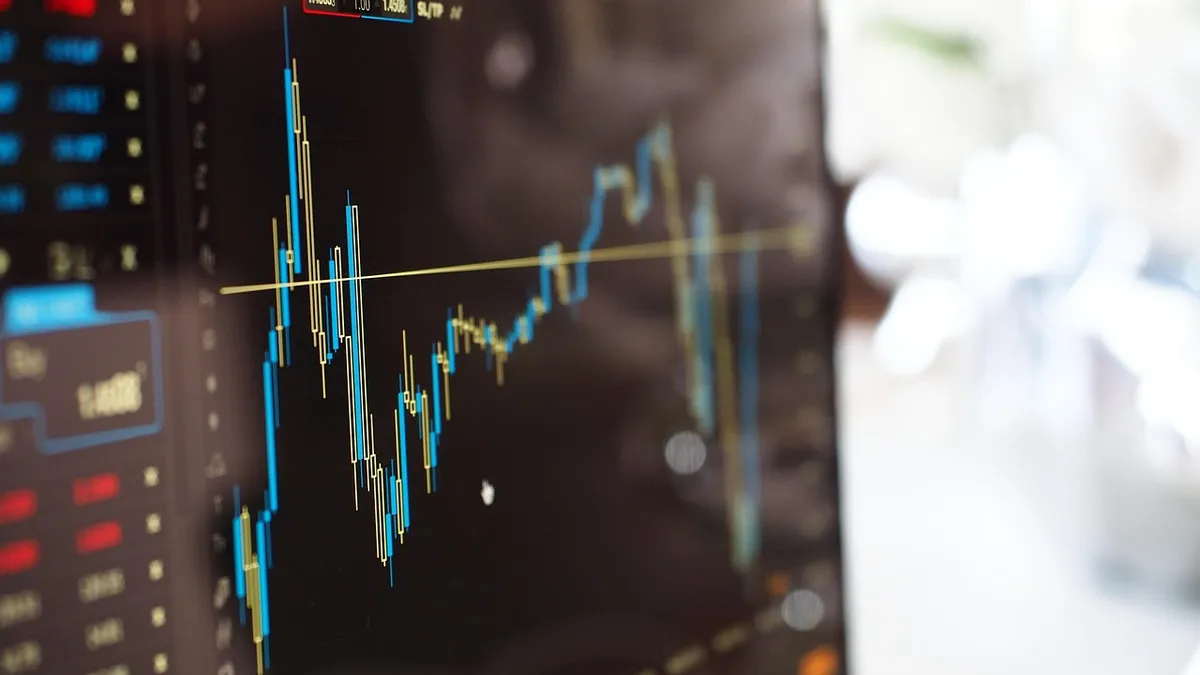
    For a broader view of how signals fit into your overall trading toolkit, the best trading signals and tools for Australian traders in 2026 covers the full picture from tools to platforms — worth reading alongside this guide.
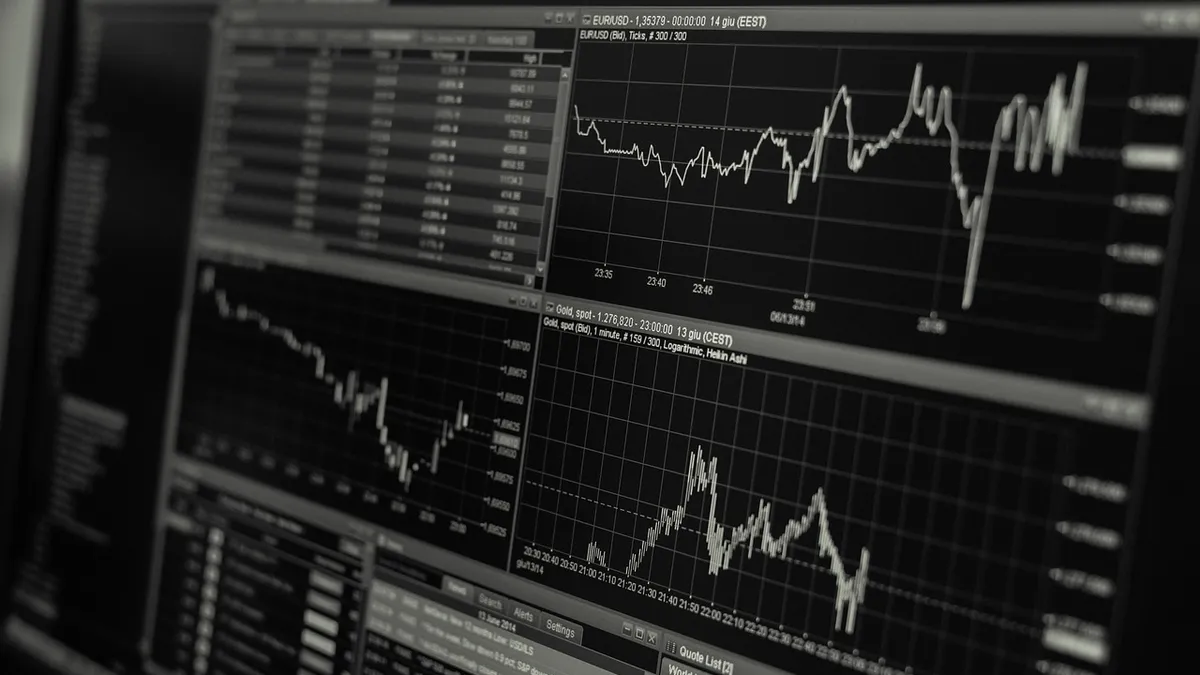
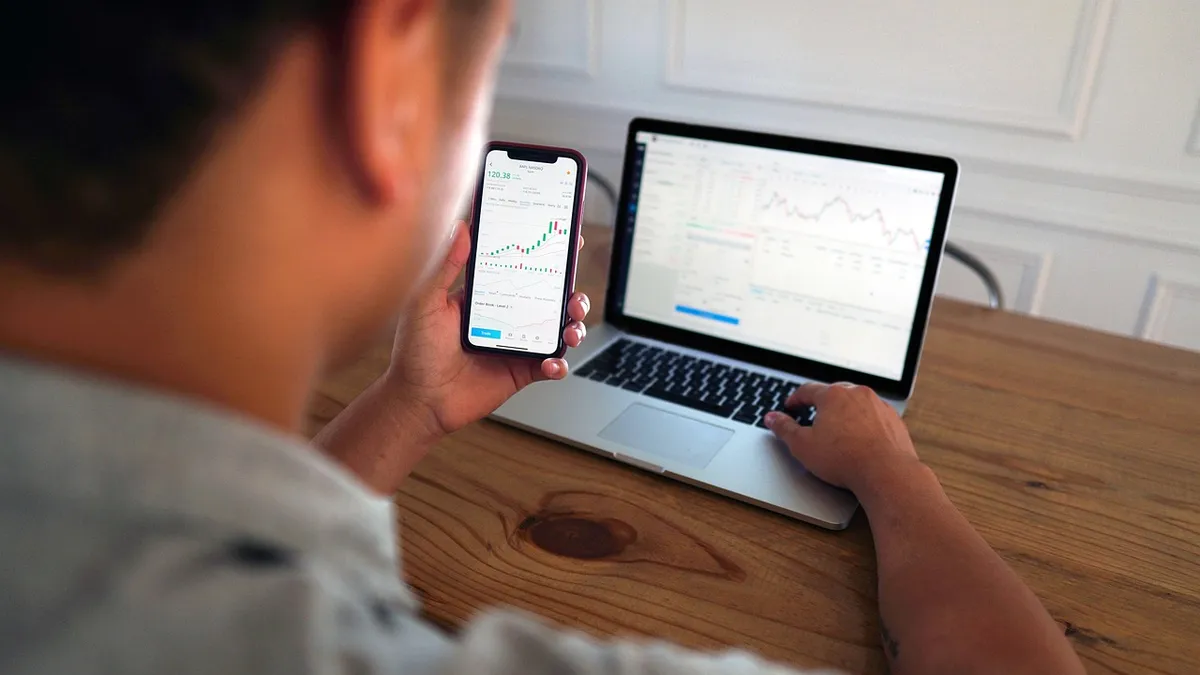
    best trading signals in the world ranked for Australian traders 2026 — Crazii JTVertex
    Understanding what separates world-class trading signals from unreliable sources is the first step for any serious Aussie trader. · Photo: Pexels / Pixabay

    Which trading signal providers rank highest for Australian traders in 2026?

    Which trading signal providers rank highest for Australian traders in 2026?
    💡

    Key points: For Australian traders in 2026, the highest-ranking signal sources combine regulatory transparency, verifiable track records, and compatibility with MT4/MT5 platforms. MetaTrader’s built-in Signals marketplace hosts over 3,200 providers — but fewer than a handful meet the criteria that matter for risk-conscious Aussie traders.

    Meet Jordan. Twenty-nine years old, works in logistics in Brisbane, started trading forex in 2023 with a modest account. Jordan spent the first eight months jumping between three different Telegram signal channels, each promising “high-accuracy calls.” By month nine, Jordan had lost a meaningful portion of the account — not in one dramatic trade, but in a dozen small ones where the signals arrived late, the risk was never defined, and the provider had vanished by the time losses mounted. Jordan’s story is not unusual. It is the default outcome for traders who pick signal providers based on screenshots rather than substance. So which providers actually hold up?

    Want signals backed by a real trading community?

    Crazii JTVertex connects Australian traders with tools, signal discussions, and a platform built for serious learning — not hype.

    Explore Crazii
    MetaQuotes’ MetaTrader Signals marketplace is the most transparent starting point. With over 3,200 signals available directly inside MT4 and MT5, each provider’s live equity curve, drawdown history, and trade-by-trade log is visible before you subscribe. That level of transparency is rare. The catch: most of those 3,200 signals have fewer than 50 trades on record, which is not enough to draw any meaningful conclusions.

    The evidence: ASIC Report 828 recorded 26,243 retail clients using copy trading in FY2023–24, noting “a growing interest” in the space. That is a meaningful number — but it also means the vast majority of Australian retail traders are still selecting signals manually, often without a structured evaluation process.

    Here is how we would rank the main signal categories for Australian traders right now:
    Signal Type Transparency Best For Key Risk ASIC Compatibility
    MT4/MT5 Signals Marketplace High (live track record) Traders on MetaTrader platforms Over-optimised past performance Yes
    Telegram Signal Channels Low (screenshots only) Beginners exploring ideas No verifiable track record Unregulated
    Broker-Integrated Copy Trading Medium–High Hands-off traders Fees eroding profits Depends on broker
    Algorithmic Signal Services Medium Systematic traders Black-box logic, hard to audit Varies
    Manual Analyst Signals Low–Medium Traders wanting market context Subjective, inconsistent timing Varies

    Expert tip: When we evaluates a signal provider on the MT5 marketplace, the first number checked is not win rate — it is the ratio of average win to average loss. A service with a 45% win rate but a 2.1 reward-to-risk ratio is far more sustainable than one with a 70% win rate and a 0.6 reward-to-risk. Most traders look at the wrong column first.
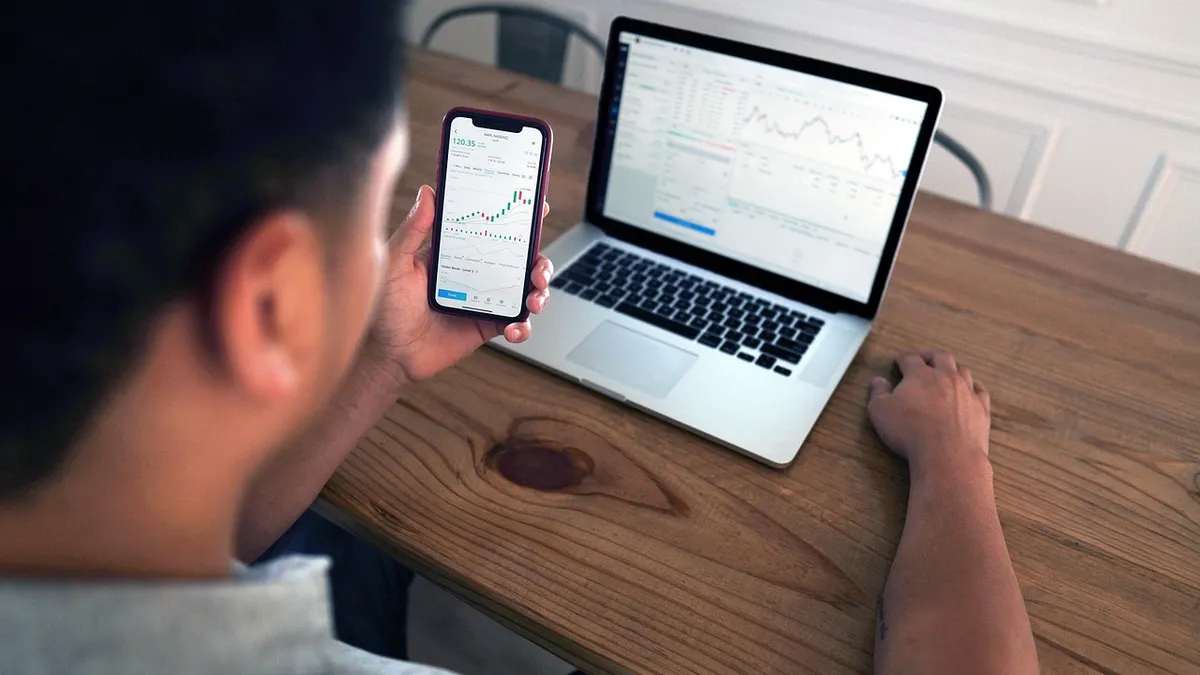
    If you are researching signals delivered via social platforms, the guide on best trading signals on Telegram that delivered results in 2025 goes deep on what actually worked — and what looked good but didn’t.
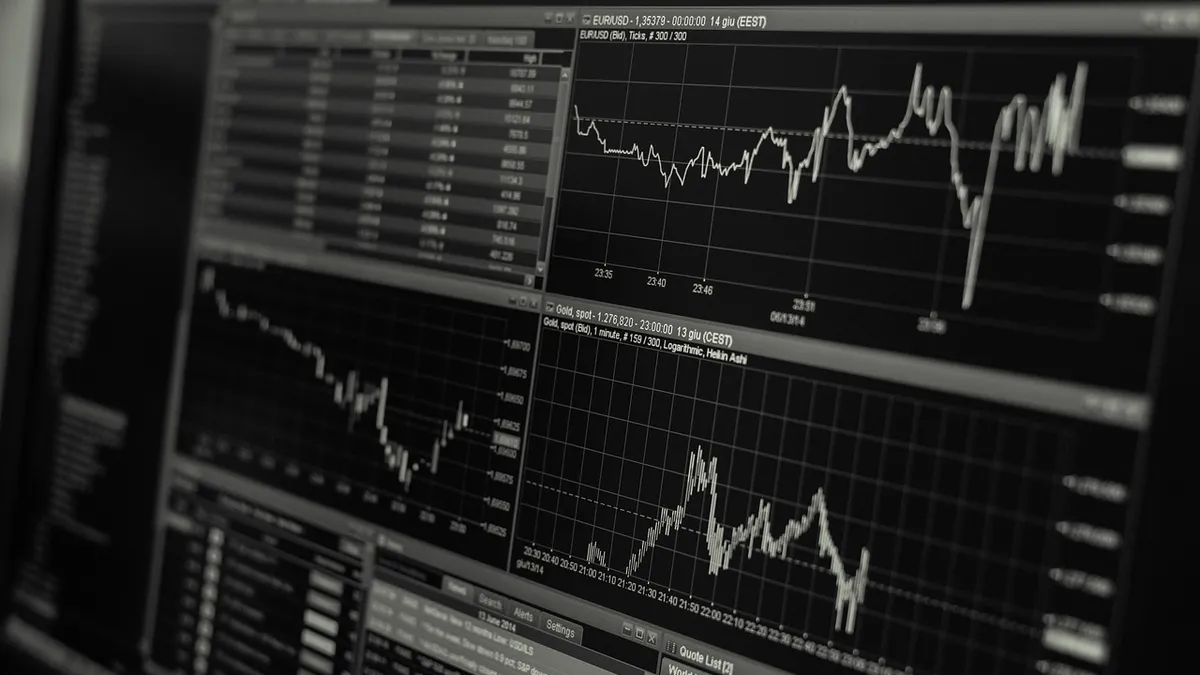
    top-ranked trading signal providers comparison for Australian traders — Crazii JTVertex
    Comparing signal provider types helps Aussie traders choose the right source based on transparency and risk profile. · Photo: TheInvestorPost / Pixabay

    What are the biggest mistakes traders make when using forex and CFD signals?
    What are the biggest mistakes traders make when using forex and CFD signals?
    💡

    Key points: The three most damaging mistakes with trading signals are: ignoring position sizing (treating every signal as equal regardless of account size), chasing signals after missing the entry, and continuing with a provider whose drawdown has already exceeded your personal risk tolerance.

    You are reading this because something has not been working. Maybe the signals looked right but the trades kept going wrong. Maybe you made money for a few weeks, then gave it all back. That pattern has a name — and it is almost never about the signal itself.
    Mistake 1
    Treating all signals as equal regardless of market conditions

    A signal generated during a low-volatility Asian session carries a very different risk profile from the same signal firing during a high-impact news event in the London–New York overlap. Most traders apply identical position sizes to both. That is where accounts quietly erode — not in one big loss, but in a dozen trades where the risk was structurally higher than the signal suggested.

    Mistake 2
    Chasing the entry after missing the signal

    The signal arrives. You are in a meeting. You check your phone an hour later and the price has already moved 30 pips in the intended direction. So you enter anyway, hoping it continues. This is one of the most consistent ways to turn a profitable signal service into a losing experience. The signal’s edge was priced in at the original entry — entering late changes the risk-reward entirely.

    Mistake 3
    Ignoring fees until they become the story

    ASIC’s FY2023–24 data shows that 5% of retail CFD clients would have made a net profit but ended up losing because of fees. That is one in twenty traders who did everything right — and still lost. Among active traders executing 50 or more open positions per month, 19% of otherwise-profitable clients were pushed into a loss by fees alone. The signal can be right. The trade can move your way. And fees can still make it a losing month.

    The evidence: ASIC Report 828 found that 74% of new retail clients acquired via paid online advertising lost money in FY2023–24 — worse than the already-grim sector average. If a signal service found you through a social media ad, that context alone is worth factoring into your assessment of it.

    Jordan — remember Jordan from Brisbane — made all three of these mistakes in sequence. Entered late on a GBP signal during NFP week. Used the same lot size as a quiet Tuesday. Did not notice that the spread on his broker had widened to 4.2 pips at the moment of entry. The trade technically hit its target. Jordan still lost money on the round trip. The signal was not wrong. The framework around it was.

    Expert tip: Crazii JTVertex’s personal rule: if a signal arrives more than 15 pips away from the stated entry on a major pair, we skips it entirely. Not because the analysis is wrong — but because the original risk-reward calculation no longer applies. Missing a trade costs nothing. Entering a bad one costs real money.
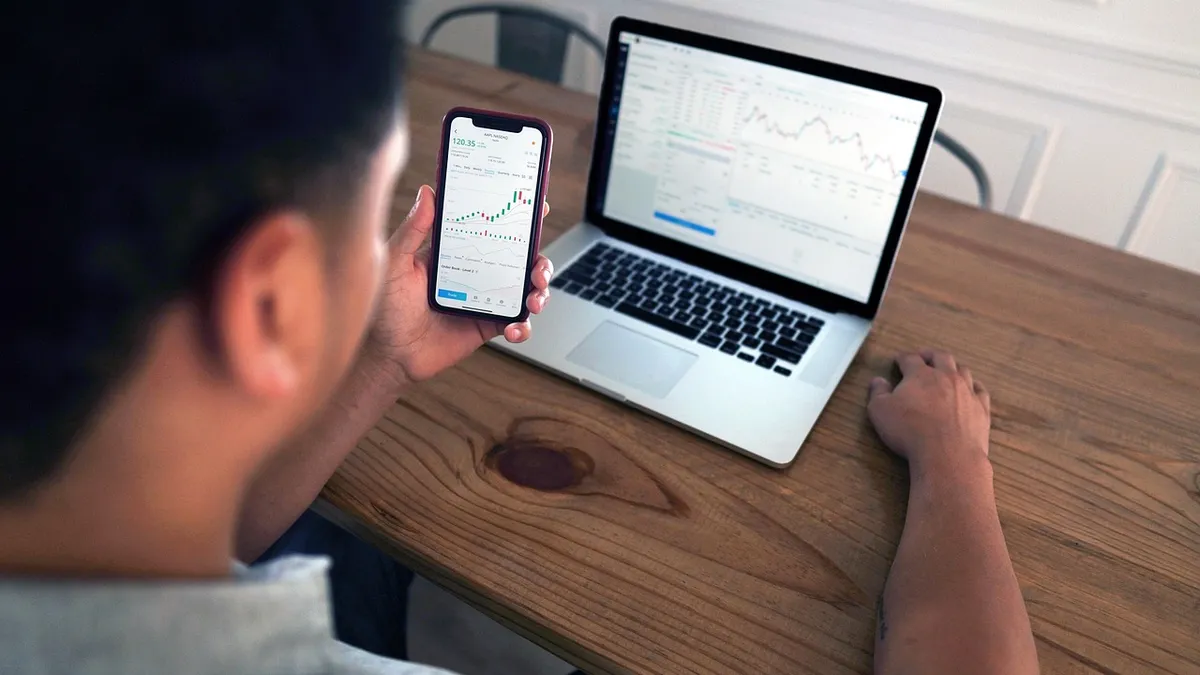
    For a deeper look at why signals underperform even when the analysis is sound, the article on 5 reasons your trading signals keep failing you every week breaks down the structural issues most traders never address.
    common mistakes using forex and CFD trading signals — Crazii JTVertex
    Understanding signal mistakes helps traders avoid the costly patterns that affect the majority of retail CFD clients in Australia. · Photo: TheInvestorPost / Pixabay

    Ready to use signals with a proper framework around them?

    The AIMS platform gives you structured access to trading tools alongside a community that talks about risk honestly — not just wins.

    Start with AIMS

    How do you evaluate signal quality before risking real money?

    How do you evaluate signal quality before risking real money?
    💡

    Key points: Evaluating signal quality before committing real capital comes down to four measurable criteria: minimum trade sample size (aim for 100+ live trades), maximum drawdown relative to returns, consistency of risk parameters across signals, and whether the logic is explainable in plain language.

    Here is the question most traders never ask before subscribing to a signal service: “What would need to happen for this to stop working?” That question alone will save you more money than any indicator ever will.
    1

    Check the trade sample size first

    Any signal provider with fewer than 100 live trades on record is showing you a sample too small to be statistically meaningful. This is not we being overly cautious — it is basic probability. A service with 30 trades and an 80% win rate could easily be luck. The same win rate across 200 trades starts to mean something. On the MT5 marketplace, this number is visible on every provider’s profile. On Telegram, it almost never is.

    2

    Assess maximum drawdown against the return

    A signal service that returned 60% over 12 months but experienced a 40% drawdown along the way is not a 60% return service — it is a service that required you to stomach losing nearly half your account at some point. Most traders cannot hold through that psychologically, which means they would have exited at the worst moment. The drawdown number is the one that tells you what the experience of following the service actually felt like.

    3

    Verify that risk parameters are consistent across signals

    A legitimate signal always includes an entry zone, a stop-loss level, and at least one take-profit target. If any of those three are missing, the signal is incomplete. More importantly, check whether the stop-loss distance is consistent across signals — or whether it varies wildly. Inconsistent risk parameters suggest the provider is adjusting signals post-hoc rather than running a rule-based system.

    4

    Ask for the logic in plain language

    We always ask one question when evaluating a new signal provider: “Can you explain why this trade was taken in two sentences?” If the answer involves more than two indicators and a vague reference to “confluence,” that is a warning sign. The best signal providers can articulate their edge clearly. Complexity is not sophistication — it is often camouflage.

    Expert tip: Crazii JTVertex’s personal threshold for drawdown is 20%. If a signal service’s historical maximum drawdown exceeds that, we treats it as a high-risk service regardless of the headline return. That threshold is a personal heuristic — not a universal rule — but it has kept we out of several services that looked spectacular on paper and collapsed within six months.

    The evidence: ASIC notes that 85% of retail clients lost money trading options CFDs in FY2023–24 — the highest loss rate of any product category in their report. If a signal service specialises in options CFDs, that context belongs in your evaluation before anything else.
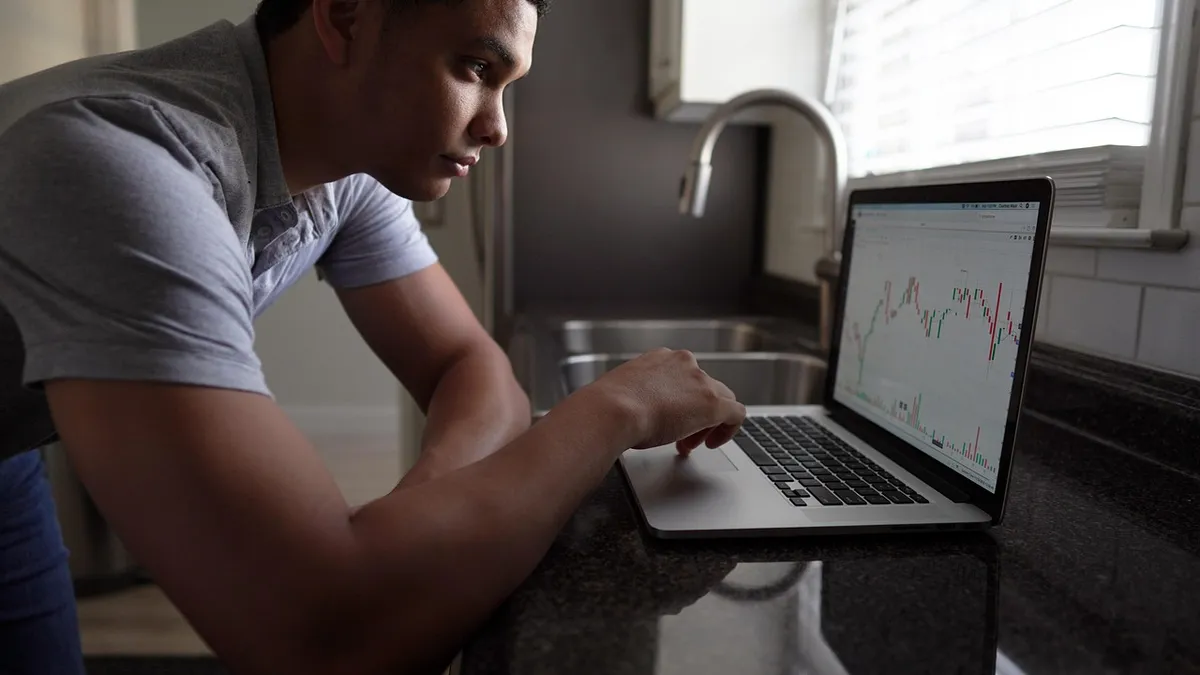
    Jordan eventually found a signal provider on the MT5 marketplace with 340 live trades, a maximum drawdown of 17%, and a clearly documented RSI-based entry system. The RSI oversold threshold used was 30, overbought was 70 — standard Wilder parameters, nothing exotic. Jordan paper-traded it for four weeks before committing real capital. That four-week pause was the single best trading decision Jordan made. For traders who are newer to this process, the guide on what are the best trading signals for beginners right now walks through the evaluation framework in more accessible terms.
    how to evaluate trading signal quality before risking money — Crazii JTVertex
    A structured evaluation process protects traders from costly signal subscriptions that look impressive but underperform in live conditions. · Photo: TheInvestorPost / Pixabay

    Are free trading signals worth using, or do you need a paid service?

    Are free trading signals worth using, or do you need a paid service?
    💡

    Key points: Free trading signals are not inherently worse than paid ones — but they carry a different set of risks. The real question is not cost, it is accountability. Paid services have a financial incentive to maintain performance. Free channels have no such constraint, which changes the dynamic entirely.

    This is the question we get asked most often from traders just starting out. And the honest answer is: it depends on what the free signal is actually costing you. Free does not mean no cost. A free Telegram signal that sends you into a trade with no stop-loss, at 3 AM, on a pair you have never traded — that signal has a cost. You just do not see it on a subscription invoice. That said, free signals can be a genuinely useful starting point — if you treat them as educational material rather than instructions to follow with real money. The MT5 Signals marketplace includes free providers alongside paid ones, and some of the free providers have track records that rival the paid alternatives. The difference is in the accountability structure, not the price tag. Here is the real distinction worth making: paid signal services that charge a monthly fee have a reason to maintain performance — unhappy subscribers cancel. Free channels, particularly on Telegram, have no such mechanism. The provider can post a bad signal, delete it, and post a screenshot of a winner. There is no audit trail. That asymmetry is what makes free signals structurally riskier, not the price.

    The evidence: The MetaTrader 5 Signals marketplace hosts over 3,200 free and commercial signal providers, with full live trade histories visible to subscribers before they commit. That transparency is the feature — not the price point. A free provider with 200 live trades and a visible drawdown history is more trustworthy than a paid Telegram channel with screenshots.

    Expert tip: We used free MT5 signals for the first three months of evaluating a new strategy. Not to trade them — but to watch how the provider handled losing streaks. A provider who goes quiet during a drawdown and only posts when winning is telling you everything you need to know about their risk management culture. The behaviour during bad weeks matters more than the performance during good ones.
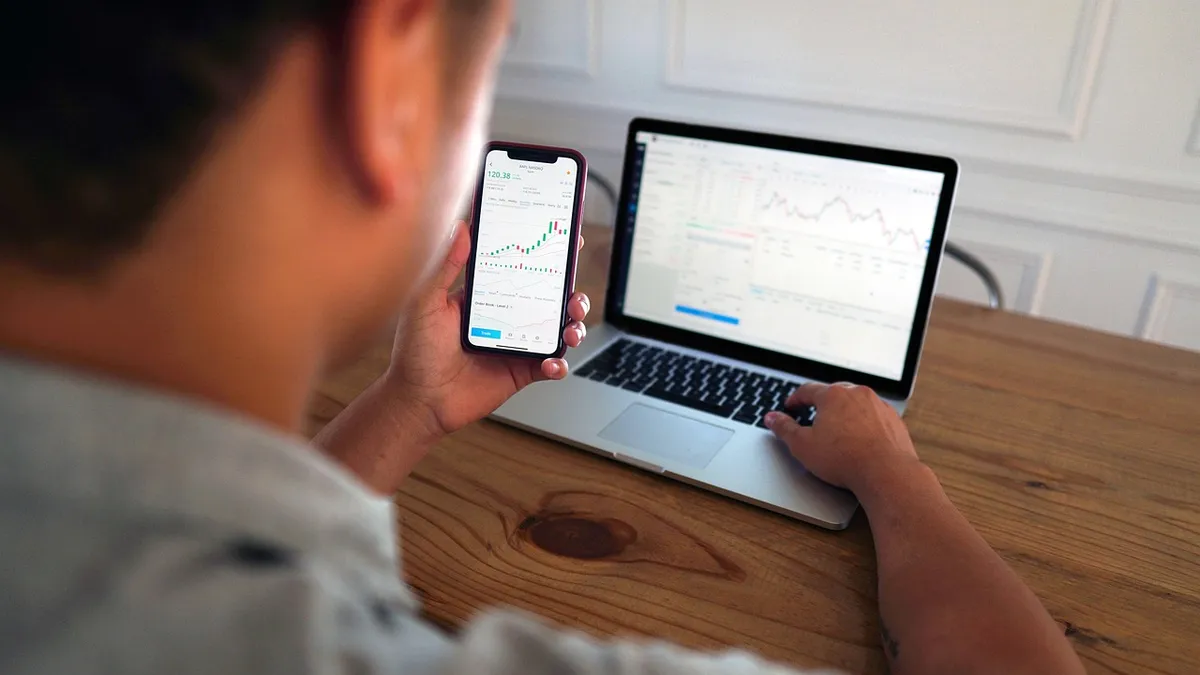
    Who should avoid free signals entirely? Anyone who cannot yet distinguish between a signal with a defined stop-loss and one without. If you cannot read the risk parameters on a signal and immediately know whether it fits your account size, free signals will cost you more than a paid subscription would. That is not a judgement — it is just the practical reality of where the risk sits. The bottom line: use free signals to learn, to compare, and to build your evaluation instincts. Use paid services when you have enough context to hold them accountable for what they promise.
    free versus paid trading signals comparison for Aussie traders — Crazii JTVertex
    The choice between free and paid trading signals comes down to accountability structures, not price — a critical distinction for Australian retail traders. · Photo: TheInvestorPost / Pixabay

    Frequently asked questions about trading signals for Aussie traders
    Frequently asked questions about trading signals for Aussie traders
    💡

    Key points: These are the questions Australian traders ask most often about signal services — answered directly, without the hedging that makes most FAQ sections useless.

    How many trades does a signal provider need before I can trust their track record?

    Treat anything under 100 live trades as insufficient. That is a personal heuristic from we, not a regulatory standard — but below that threshold, a run of luck is indistinguishable from a genuine edge. On the MT5 marketplace, filter for providers with 100 or more trades before looking at anything else.

    Are trading signals legal in Australia?

    Providing financial product advice in Australia generally requires an Australian Financial Services (AFS) licence under the Corporations Act. Signal services that make specific trade recommendations to Australian retail clients may be providing financial advice. If you are unsure about a provider’s regulatory status, check ASIC’s professional register at moneysmart.gov.au before subscribing.

    Can copy trading replace manual signal following for Australian traders?

    Copy trading automates the execution of signals from a chosen provider, which removes the emotional element of manual entry. ASIC recorded 26,243 retail clients using copy trading in FY2023–24. It is growing — but it does not remove the need to evaluate the underlying provider. You are still choosing whose strategy to copy, and that choice carries all the same risks.

    What is a realistic win rate for a good trading signal service?

    Win rate alone is not a useful metric. A service with a 55% win rate and a 2:1 reward-to-risk ratio outperforms one with a 75% win rate and a 0.5:1 ratio over time. Focus on the combination of win rate and average win-to-loss ratio — that gives you a clearer picture of long-term expectancy than either number alone.

    Should I use trading signals if I am completely new to trading?

    Signals can be useful for beginners as a learning tool — but only if you understand what you are following and why. Using signals without understanding the underlying logic creates dependency rather than skill. Start by paper trading signals for at least four weeks before using real capital, and use that time to learn why each trade was taken, not just whether it won.

    Want to talk through your signal strategy with someone who gets it?

    Crazii JTVertex is here to help Australian traders build a proper framework — not just hand you signals and wish you luck. Get in touch directly.

    Contact Crazii JTVertex

    Note: Trading signals, CFDs, and margin foreign exchange products are high-risk financial instruments. ASIC data shows that 68% of retail CFD clients in Australia lost money in FY2023–24, with net losses exceeding $458 million. This article is general information only and does not take into account your personal financial situation, objectives, or risk tolerance. Always read the relevant Product Disclosure Statement and consider seeking independent financial advice before trading.

  • Who Gives Best Trading Signals and Can You Actually Trust Them

    Who Gives Best Trading Signals and Can You Actually Trust Them

    If you have ever asked who gives best trading signals, you already know the honest answer is harder to find than any Telegram channel or YouTube guru will admit. At Crazii JTVertex, we has spent years testing signal providers, copy-trading platforms, and automated alert systems across live accounts, and the full picture of what actually works is laid out in this guide on who gives the best trading signals and whether you can trust them. By the time you finish reading, you will know exactly which type of signal source fits your situation, which red flags to avoid before you risk a single dollar, and how to build a simple filter that separates genuine edge from expensive noise.

    Important note: This article is general information only and does not constitute personal financial advice. Trading CFDs, forex, and other leveraged products carries significant risk of loss. Please consider your own financial circumstances and read the relevant Product Disclosure Statement before acting on any signal or trading tool.

    Start with the right tools, not just the right signals

    Crazii JTVertex has put together a full trading toolkit for Australian traders — signals, platforms, and support in one place.

    See the 2026 toolkit
    Table of contents

    Who actually gives the best trading signals — and what makes one “best”?

    Who actually gives the best trading signals — and what makes one "best"?
    💡

    Key points: The best trading signals come from providers with a verified, audited track record across at least 100 closed trades, transparent drawdown figures, and a clear methodology you can understand. No single provider is universally best — the right one depends on your instrument, risk tolerance, and available screen time.

    Here is the thing nobody wants to say out loud: there is no single provider who gives the best trading signals for every trader. Full stop. That sounds like a cop-out, but it is actually the most useful starting point you can have. Because once you stop searching for a universal answer and start asking “best for whom, in what market, with what risk settings” — you start making decisions that actually protect your capital. So what does “best” mean in practice? We would argue it comes down to three things: verifiability, consistency across market conditions, and fit with your own trading style. Verifiability means the track record is audited or at minimum independently verifiable — not a screenshot of a Telegram post. Consistency means the provider has performed across both trending and ranging markets, not just during one bull run. Fit means the signal frequency, instrument focus, and risk-per-trade align with how you actually trade. There are broadly four types of signal sources you will encounter. First, human analysts — experienced traders who publish entry, stop-loss, and take-profit levels, usually via Telegram or email. Second, algorithmic systems — rule-based engines that scan for technical setups and fire alerts automatically. Third, copy-trading platforms — where you mirror another trader’s live account in real time. Fourth, broker-integrated tools — signals built into platforms like MetaTrader, which hosts over 3,200 free and commercial signal providers through its built-in marketplace. Each has a different risk profile. Human analysts can adapt to news events but are subject to emotional bias. Algorithms are consistent but can break down when market structure shifts. Copy trading gives you live exposure to someone else’s edge — but also to their drawdowns, which can be severe. The question worth sitting with before you subscribe to anything is this: can you actually verify what this provider claims? That single question is what separates traders who find a source that genuinely gives best trading signals from those who keep cycling through disappointment.

    The evidence: According to MetaQuotes, the MetaTrader platform alone hosts more than 3,200 free and commercial signal providers through its built-in signals marketplace. With that volume, the challenge is not finding a signal — it is filtering out the noise from the genuine edge.

    Expert tip from Crazii JTVertex: We has a personal rule that gets ignored constantly: never evaluate a signal provider on win rate alone. A provider with a 45% win rate and a 1:3 risk-reward ratio will outperform a 75% win-rate provider with a 1:0.8 ratio over 200 trades. The first time we ignored this rule was on a gold signals channel in 2022 — the win rate looked impressive, but the average loss was nearly three times the average win. The account dropped 22% in six weeks. That lesson cost real money.

    Signal source type Verifiability Adaptability to news Typical frequency Best suited to
    Human analyst Medium (check track record) High 1–5 per day Traders who want context
    Algorithmic system High (if backtested, audited) Low 5–50+ per day Systematic traders
    Copy trading High (live account data) Depends on master trader Varies Passive, hands-off traders
    Broker-integrated tools Medium (platform-verified) Medium Varies Beginners and part-time traders
    who gives best trading signals comparison chart Crazii JTVertex
    Comparing signal source types helps Australian traders choose the right fit for their style and risk profile. · Photo: 3844328 / Pixabay
    The next section will show you what the actual data says about signal-following outcomes — and the numbers from Australia’s own regulator are the kind that make you read them twice.

    What does the evidence say about trading signals and real-world outcomes?

    What does the evidence say about trading signals and real-world outcomes?
    💡

    Key points: ASIC’s most recent data shows 68% of Australian retail CFD clients lost money in FY2023–24, with net losses exceeding $458 million. Fees alone cost traders $73 million and flipped 5% of otherwise-profitable clients into a loss. Signal-following does not change these structural dynamics unless the underlying edge is real.

    Let we give you a number that reframes this entire conversation. In FY2023–24, 68% of retail CFD clients in Australia lost money. That is not a fringe statistic — it comes directly from ASIC Report 828, published in January 2026, covering the full Australian CFD sector. In raw terms: 133,674 retail clients lost money, with net losses exceeding $458 million for the year. To put that in everyday terms, that is roughly the equivalent of every adult in a mid-sized Australian city like Toowoomba collectively losing their savings in a single financial year. The fees picture is worth understanding separately. Of that $458 million in net losses, $73 million was fees. And here is the detail that stings: 5% of retail clients would have made a net profit if not for fees. Fees alone tipped them from profit into loss. Think about that — they had the right calls, they followed the signals, and the transaction costs still wiped their edge. Now, where do signals and copy trading sit in this picture? ASIC’s same report notes that 26,243 retail clients used copy trading in FY2023–24, with ASIC observing “a growing interest in copy trading.” That is a meaningful number. But copy trading does not automatically improve outcomes — it simply transfers the edge (or lack of it) from one trader to another. If the master trader you are copying genuinely gives best trading signals with a verified edge, you benefit. If they do not, you share their losses. There is also a sobering finding for active traders. Among clients who opened 50 or more positions per month, 19% of those who would otherwise have been profitable ended up losing after fees. More trading, in other words, correlated with worse outcomes — not better ones.

    The evidence: ASIC Report 828 (January 2026) found that 85% of retail clients lost money trading options CFDs — the highest loss rate of any CFD product category. Standard CFDs already sit at 68%. If a signal provider is pushing options CFDs heavily, the structural headwind against profitability is severe.

    Expert tip from Crazii JTVertex: We checks the drawdown curve of any signal provider before the win rate. A smooth equity curve that suddenly has a vertical drop tells you everything: either the provider hit a structural market change they were not prepared for, or — more often — they were using a martingale or grid strategy that looked good until it did not. If the provider cannot explain what caused the drawdown and what changed in their system afterwards, that is a hard pass.

    What this data tells you is not “signals do not work.” It tells you that signals used without understanding the underlying risk, fees, and market structure will, on average, produce the same outcomes as the broader retail population. The traders who beat that 68% figure are the ones who treat signal evaluation as seriously as signal execution. For a deeper look at the tools that support genuine signal analysis, the best trading signals and tools for Australian traders in 2026 covers the full landscape with specific platform recommendations.
    ASIC retail CFD loss statistics trading signals Australia Crazii JTVertex
    ASIC Report 828 data on retail CFD outcomes provides essential context for evaluating any trading signal source. · Photo: Pexels / Pixabay

    Want to see which signal tools Crazii JTVertex actually uses?

    Join the group chat for live discussion, signal breakdowns, and platform walkthroughs from traders who have been through the numbers.

    Join the Telegram group
    Understanding the data is one thing. Knowing how to apply it when you are comparing actual providers is where most traders fall short — and that is what the next section addresses.

    How do you compare signal providers before trusting them with your capital?

    How do you compare signal providers before trusting them with your capital?
    💡

    Key points: Comparing signal providers requires looking beyond win rate to include drawdown depth, trade sample size (minimum 100 closed trades), fee structure, and whether results are audited or self-reported. A provider with a short track record in a trending market tells you almost nothing about their edge in a ranging or volatile environment.

    Picture this: you find a Telegram channel with 47,000 members, a pinned message showing a 91% win rate over the last three months, and testimonials from people saying they doubled their accounts. You are tempted. Of course you are. Here is what we does before subscribing to anything. First, sample size. We will not seriously evaluate any provider with fewer than 100 closed trades on record. Three months of forex signals might only be 60–80 trades. That is not enough to distinguish genuine edge from a lucky streak. This is a personal heuristic, not a statistical rule — but it has saved we from at least four providers who looked great on paper and fell apart within two months. Second, drawdown. Maximum drawdown tells you the worst peak-to-trough loss the provider experienced. A 20% drawdown is a significant red flag in we’s view — not because it cannot recover, but because it tells you about position sizing and risk management. If a provider never discloses drawdown, that is itself a red flag. Third, audit trail. Is the track record self-reported (screenshots, Telegram posts) or independently verifiable (MetaTrader signals page, a third-party auditing service)? Self-reported results are almost always cherry-picked. We treats them as marketing, not evidence. Fourth, fee drag. As the ASIC data makes clear, fees are a material factor in net outcomes. A signal service charging per trade, combined with spreads and overnight financing costs, can erode a profitable strategy into a losing one. Always calculate total cost of following the signal, not just the subscription fee.

    The evidence: ASIC Report 828 found that 74% of new retail clients acquired via paid online advertising lost money in FY2023–24 — worse than the 68% sector average. Providers who rely heavily on paid ads to acquire clients are, statistically, associated with worse client outcomes. That does not make every advertised signal bad, but it is worth noting.

    Expert tip from Crazii JTVertex: One thing we looks for that almost nobody mentions: does the signal provider post their losses in real time, or only after the trade closes? Providers who post “entry now” and then go quiet until a winner appears are hiding their stop-outs. The best providers we has worked with post every stop-loss hit as it happens, with a brief note on why the setup failed. That transparency is worth more than any win-rate figure — and it is one of the clearest signs of a source that genuinely gives best trading signals rather than just best-looking marketing.

    1

    Check the sample size

    Look for at least 100 closed trades before drawing any conclusions about a provider’s edge. Fewer trades and you are evaluating luck, not skill.

    2

    Examine the drawdown history

    Request or find the maximum drawdown figure. In we’s view, anything above 20% warrants a detailed explanation from the provider about their risk controls.

    3

    Verify the audit trail

    Prefer providers whose results are verifiable on the MetaTrader signals page or a third-party auditing service. Screenshots are not evidence.

    4

    Calculate total cost of following

    Add subscription fees, spreads, commissions, and overnight swap costs. Then assess whether the signal’s historical edge survives those costs at your account size.

    5

    Test on a demo account first

    Follow the signals on a demo account for at least four weeks before committing live capital. This reveals execution slippage, signal timing issues, and whether the style actually suits how you trade.

    For traders who want to go deeper on evaluating specific TradingView-based tools alongside signal providers, the guide on best trading signals and TradingView indicators ranked this year walks through the specific tools worth considering.
    how to evaluate trading signal providers step by step Crazii JTVertex
    A structured evaluation process helps you separate verified trading signal providers from those relying on self-reported results. · Photo: TheInvestorPost / Pixabay

    Ready to look at signals through a platform built for it?

    AIMS gives you access to a regulated trading environment where you can evaluate and execute signals with proper risk controls in place.

    Open an AIMS account
    You now have a framework for evaluating providers. But even with the right provider, there are four mistakes that consistently destroy accounts — and mistake number three is the one almost nobody talks about.

    What are the most costly mistakes traders make when following signals?

    What are the most costly mistakes traders make when following signals?
    💡

    Key points: The most damaging mistakes when following trading signals are over-leveraging relative to the signal’s risk settings, ignoring stop-losses because “the trade looks like it will recover,” following too many signal sources simultaneously, and failing to account for fee drag on net returns. Each of these can turn a genuinely profitable signal into a losing experience.

    Meet James. He is a 34-year-old project manager in Brisbane who started following a forex signal service in early 2024. The provider had a solid track record — 14 months of verified results on MetaTrader, a reasonable drawdown, and clear entry and exit levels. James did everything right in the evaluation phase. Then he made three of the four mistakes below.
    Mistake 1
    Over-leveraging relative to the signal’s risk settings

    Most signal providers calibrate their risk-per-trade to a specific account size or percentage. James was using 3x the suggested position size because he wanted faster results. When the provider hit a drawdown period — which every provider eventually does — James’s account dropped far harder than the signal’s own track record suggested. The signal was performing as advertised. James’s account was not.

    Mistake 2
    Moving or removing stop-losses mid-trade

    The signal said: entry at 1.0850, stop at 1.0820, target at 1.0910. James watched the trade go against him to 1.0825 and moved his stop to 1.0790 because he “felt” the trade would recover. It did not. This is the single most common way traders take a signal with a defined risk and turn it into an undefined loss. The stop-loss is not optional.

    Mistake 3
    Following multiple conflicting signal sources simultaneously

    James subscribed to three signal channels at once. One said buy EUR/USD. Another said sell. The third said wait. He ended up with contradictory positions open at the same time, hedging himself into guaranteed losses on fees.

    This is a trap that catches traders who are still searching for who gives best trading signals rather than committing to one verified source. One signal source, evaluated properly and followed consistently, almost always outperforms the noise of three mediocre ones.

    Mistake 4
    Ignoring the cumulative cost of fees

    Recall from the ASIC data: fees flipped 5% of otherwise-profitable retail clients into a net loss in FY2023–24. James was paying a monthly subscription, plus spreads, plus swap fees on positions held overnight. He had never calculated whether the signal’s historical edge was large enough to survive all three. It was not, at his position sizes.

    The evidence: Among active retail CFD traders in Australia — those with 50 or more open positions per month — 19% of those who would otherwise have been profitable ended up losing money after fees (ASIC Report 828, January 2026). Higher trading frequency does not improve outcomes; it typically worsens them through fee accumulation.

    Expert tip from Crazii JTVertex: We has a rule for clients who are new to signal-following: paper-trade the signals for 30 days before going live, and during that period, write down every time you would have moved a stop or exited early. At the end of 30 days, calculate what your actual P&L would have been versus what the signal’s P&L was. The gap between those two numbers is the cost of your own psychology. It is almost always larger than people expect.

    James eventually got back on track — but only after simplifying to one signal source, respecting the position sizing, and setting a rule that his stops could never be moved further from entry. That is the after. The bridge was recognising that the signal was not the problem; the execution was. For traders building a more systematic approach to avoiding these mistakes, the article on how to build a trading system from scratch in 9 steps gives a structured framework that complements any signal service.
    common mistakes following trading signals Australian traders Crazii JTVertex
    Understanding the most common signal-following mistakes helps Australian traders protect their capital even when using a verified provider. · Photo: TheInvestorPost / Pixabay

    Which type of signal source suits Australian traders in 2026?

    Which type of signal source suits Australian traders in 2026?
    💡

    Key points: For Australian traders in 2026, the most suitable signal source depends on available screen time, instrument preference, and experience level. Part-time traders with limited screen time often benefit most from copy trading or broker-integrated alerts. Active traders with technical knowledge get more from algorithmic systems with clear methodology. Both groups need to verify the source before committing capital.

    Right, so who is this actually for? If you are reading this, you are probably not a full-time institutional trader with a team of analysts. You are likely trading around a job, a family, and the general chaos of life in Australia. That context matters enormously when choosing a signal source — and it shapes the answer to who gives best trading signals for your specific situation. For part-time traders — people who can check their phone between meetings but cannot stare at charts all day — copy trading through a verified platform is often the most practical option. You set your risk parameters, connect to a master trader whose track record you have verified, and the trades execute automatically. The key word there is “verified.” The 26,243 Australian retail clients using copy trading in FY2023–24 were not all having the same experience. The ones who did their due diligence on the master trader they were copying fared meaningfully better than those who picked based on recent returns alone. For traders with more screen time and some technical background, algorithmic signal systems tied to specific indicators — RSI crossovers at the standard 30/70 thresholds, moving average confluence, volume-weighted setups — give you more control over what you are following and why. You can backtest the logic. You can understand when the signal is likely to fail. That understanding is itself a form of edge. For traders who are newer to the market, we would say this plainly: start with a tool, not a signal. A good indicator that teaches you to read price action is more valuable long-term than a signal that tells you what to do without explaining why. The why is what you take with you when the signal provider disappears or changes their approach.

    The evidence: The Australian CFD client base has contracted significantly — from approximately 515,000 active clients per quarter before ASIC’s product intervention measures (in the 12 months before March 2021) to 119,300 active clients per quarter in FY2023–24 (ASIC Report 828, January 2026). The traders who remained active through that contraction are, on average, more experienced and more selective about the tools and signals they use.

    Expert tip from Crazii JTVertex: Crazii JTVertex’s view on this is straightforward: the best signal source for an Australian part-time trader in 2026 is one that comes with an explanation. Not just “buy EUR/USD at 1.0850” but “buy EUR/USD at 1.0850 because price has retested the 4H demand zone, RSI is recovering from below 30, and the London session open is in 45 minutes.” That explanation is what lets you build judgment over time, rather than staying dependent on someone else’s calls forever.

    Not everyone is suited to signal-following, and we thinks it is worth saying that plainly. If you cannot follow a stop-loss consistently — if you know from experience that you will move it when the trade goes against you — then copy trading (where the execution is automated) is a better fit than manual signal-following. Self-knowledge here is a genuine edge. For traders who want to see how the world’s top signal sources compare specifically for the Australian market, the best trading signals in the world ranked for Aussie traders in 2026 gives a direct comparison across the leading providers.
    best trading signal sources for Australian traders 2026 Crazii JTVertex
    Matching the right signal source type to your trading style and available time is the first step to using signals effectively in 2026. · Photo: TheInvestorPost / Pixabay

    Frequently asked questions about trading signals

    Frequently asked questions about trading signals

    Can trading signals guarantee a profit?

    No signal provider can guarantee profit. Trading CFDs and leveraged products carries significant risk, and even verified providers with strong track records experience losing periods. ASIC data shows 68% of Australian retail CFD clients lost money in FY2023–24, regardless of the tools they used.

    How many trades should a signal provider have on record before I trust them?

    In we’s view, a minimum of 100 closed trades is a reasonable starting point for evaluation. Fewer trades make it difficult to distinguish genuine edge from a short-term lucky run, particularly in trending market conditions.

    Is copy trading the same as following trading signals?

    They are related but different. Copy trading automatically replicates another trader’s live positions in your account. Trading signals give you entry, stop-loss, and take-profit levels that you execute manually. Copy trading removes execution discretion; manual signals require you to act on each alert yourself.

    Are free trading signals worth following?

    Some free signals have genuine value, particularly those provided through verified platforms like MetaTrader’s signals marketplace. However, free signals require the same evaluation criteria as paid ones — track record, drawdown, sample size, and methodology. Free does not mean low-risk.

    What should I do if a signal goes against me immediately after entry?

    Follow the stop-loss as defined by the signal. Moving or removing a stop-loss because a trade is temporarily in drawdown is one of the most common ways traders turn a defined risk into an undefined loss. If you cannot follow the stop consistently, consider copy trading where execution is automated.

    Want to talk through your signal setup with someone who has done this?

    Crazii JTVertex is available for direct conversation — whether you want to review a signal provider, discuss platform options, or build a clearer trading approach.

    Get in touch

    General information disclaimer: The content on this page is general information only and does not take into account your personal financial situation, objectives, or needs. It is not personal financial advice. Trading leveraged products such as CFDs carries a high level of risk and may not be suitable for all investors. You may lose more than your initial deposit. Please read the relevant Product Disclosure Statement and consider seeking independent financial advice before making any trading decisions. Past performance is not indicative of future results.