Tag: what are the best trading signals

  • What Is a Trading Signal and Why It Matters in 2026

    What Is a Trading Signal and Why It Matters in 2026

    A trading signal is a trigger — a specific, data-driven cue that tells you when to enter or exit a trade, based on technical indicators, price action, or a combination of both. At Crazii JTVertex, we work directly with Australian retail traders who are building their edge from the ground up, and the single most common gap we see is not a lack of ambition — it is the absence of a clear, repeatable decision-making framework. This guide, What Is a Trading Signal and Why It Matters in 2026, will give you exactly that framework. By the time you finish reading, you will know what a trading signal actually is, how to evaluate one honestly, and which mistakes are quietly draining traders around you right now.

    Important note: This article is general information only and does not constitute personal financial advice. Trading CFDs, forex, and related instruments carries significant risk. According to ASIC Report 828 (January 2026), 68% of Australian retail CFD clients lost money in FY2023–24. Please consider your own circumstances and read all relevant disclosure documents before trading.

    Not sure where to start with trading tools?

    Crazii JTVertex’s community gives Australian traders access to structured signal education, curated resources, and a support group — all in one place.

    Join the Community
    Table of Contents

    What Is a Trading Signal, Exactly?
    What Is a Trading Signal, Exactly?
    💡

    Key points: A trading signal is a data-driven alert that indicates a potential entry or exit point in a market. It can be generated manually by an analyst, automatically by an algorithm, or via copy-trading platforms. Signals are tools for decision-making — not guarantees of profit.

    Picture this. It is 7:14 on a Tuesday morning in Sydney. James, a 34-year-old project manager from Brisbane, opens his phone before his first coffee has finished brewing. He has been trading forex part-time for eight months. He has a chart open, three different indicator lines crossing each other, and absolutely no idea whether to buy or sell. He stares at the screen. The market moves. He does nothing. The opportunity closes. That is not a skill problem. That is a signal problem. A trading signal, at its core, is a pre-defined condition that, when met, suggests a trade should be considered. It answers one very specific question: “Is now a reasonable time to act, based on the data in front of me?” The signal does not make the decision for you — it narrows the field of possibilities so your decision has a rational foundation. Signals come in several forms. A manual signal is produced by a human analyst who reviews charts and market conditions, then publishes a recommendation — often with an entry price, a stop-loss level, and a take-profit target. An automated signal is generated by an algorithm or indicator that fires when a set of rules is satisfied, such as when the RSI drops below 30 (oversold territory, as defined by Wilder’s original framework) or when two moving averages cross. A copy-trading signal is slightly different — rather than receiving an alert, you are mirroring the live trades of another trader in real time. What all three have in common is structure. A signal imposes order on what would otherwise be a chaotic, emotional decision. And that structure matters enormously when you consider that the Australian CFD market saw 133,674 retail clients lose money in FY2023–24, with net losses exceeding $458 million, according to ASIC Report 828 (January 2026). That is not a small number. That is the equivalent of a mid-sized regional town’s entire population losing money in a single financial year.

    The evidence: ASIC’s Report 828 (published 20 January 2026) found that 68% of Australian retail CFD clients lost money in FY2023–24. Only 32% made a net profit — and even among that group, fees consumed $26 million of their gains. The data is clear: the average retail trader is not winning, and unstructured decision-making is a significant contributing factor.

    Expert tip: Crazii JTVertex has reviewed hundreds of trader journals over the years, and one pattern stands out consistently — traders who lose money in the first three months almost never had a defined entry condition. They were reacting to price, not to signals. The fix is not more screen time. It is one clear rule that tells you when to act and when to wait.

    Signal Type Who Generates It Best For Key Risk
    Manual (analyst) Human trader or analyst Traders who want context and reasoning Subjectivity, delayed delivery
    Automated (algorithm) Software / indicator rules Traders who want speed and consistency No market context, over-optimisation
    Copy trading Another live trader Beginners wanting to learn by mirroring Blindly following without understanding
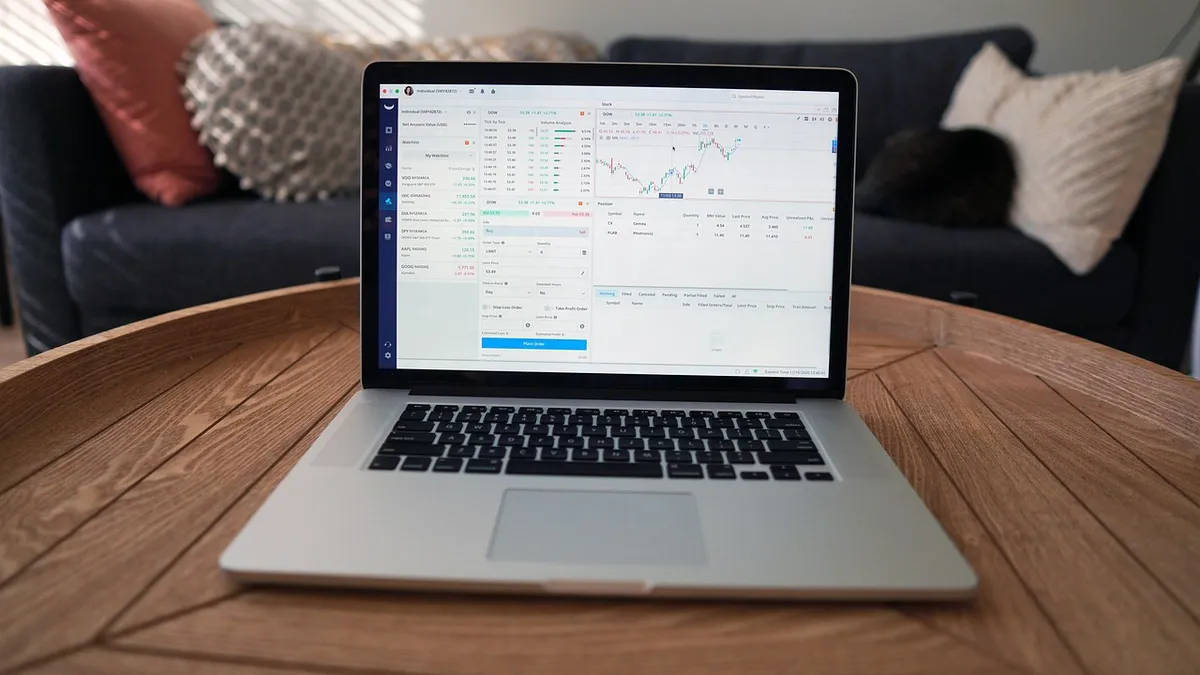
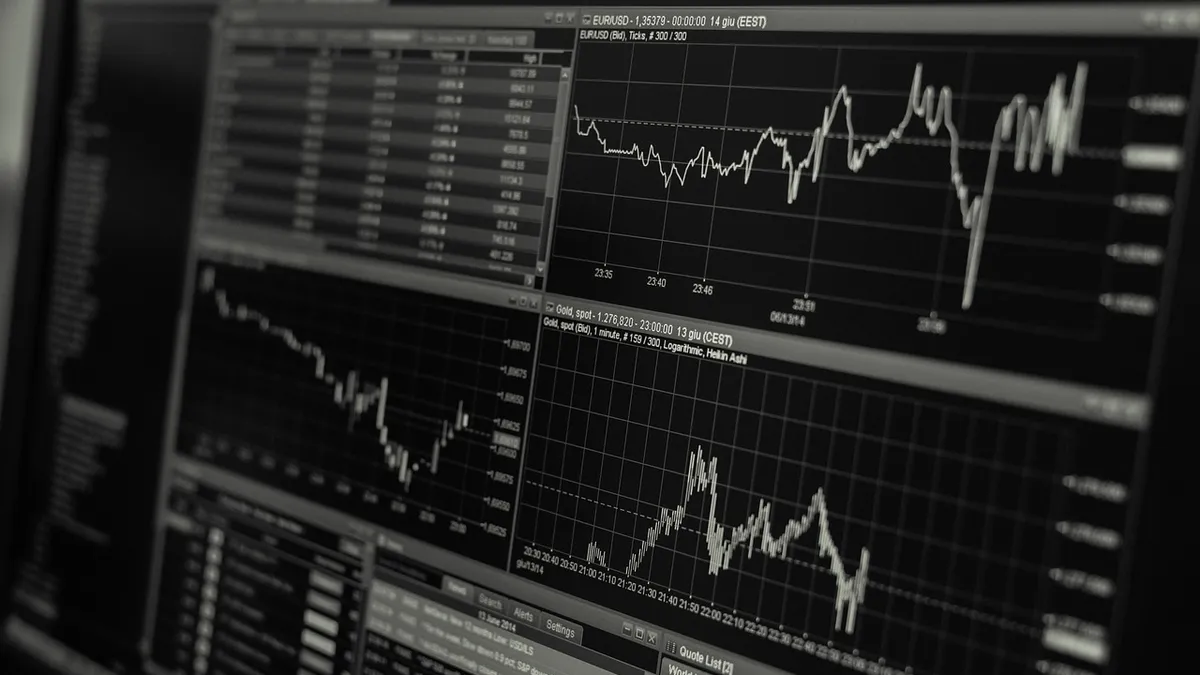
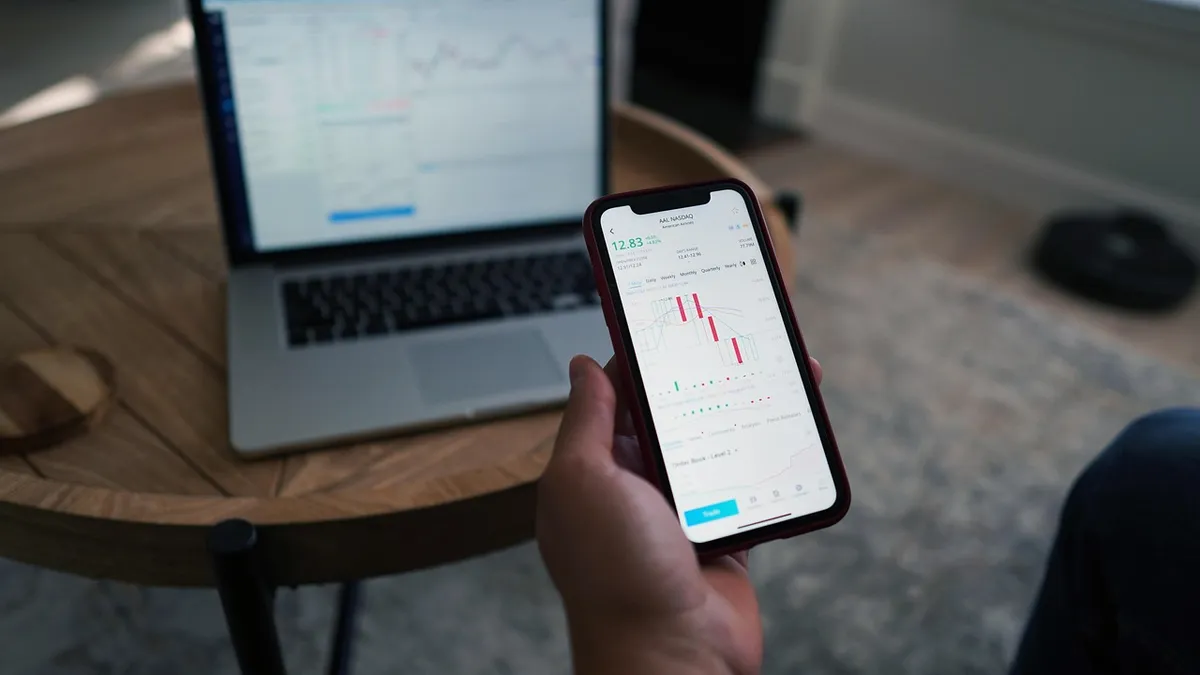
    what is a trading signal explained with chart example — Crazii JTVertex
    A trading signal provides a structured, data-driven trigger for market entry or exit decisions. · Photo: TheInvestorPost / Pixabay
    The next question most traders ask at this point is a fair one: “Right, but how does this actually work when the market is moving in real time?” That is exactly what the next section covers. —

    Want to see real trading signals in action?

    The Crazii JTVertex blog covers signal frameworks built specifically for Australian retail traders — start with the pillar guide.

    Read the Full Signal Guide

    How Do Trading Signals Work in Practice?
    How Do Trading Signals Work in Practice?
    💡

    Key points: Trading signals work by translating raw market data into actionable conditions. A signal typically specifies an instrument, a direction (buy or sell), an entry price zone, a stop-loss, and a take-profit level. Understanding each component is essential before relying on any signal.

    So how does a signal actually reach a trader, and what happens next? Think of a trading signal like a set of traffic lights for your trade. The light does not drive the car — you do. But without it, you are making decisions at a busy intersection with no structure, no shared rules, and a high probability of collision. A well-formed signal contains five components: the instrument (for example, XAUUSD — gold against the US dollar), the direction (buy or sell), the entry price or zone, the stop-loss level (the point at which the trade is closed to limit loss), and the take-profit level (the target price where you close in profit). When a signal is missing any of these — particularly the stop-loss — it is incomplete. Full stop. Signals are delivered through several channels. Telegram groups are the most common in the Australian retail market right now. Some platforms, like MetaTrader, have a built-in signals marketplace hosting over 3,200 free and commercial signals as of June 2026, according to MetaQuotes. Others are delivered via email, proprietary dashboards, or directly through a broker’s interface. Here is where most beginners go wrong. They receive the signal, they see the entry price, and they execute. What they skip is the context check: Is this signal aligned with the broader trend on a higher timeframe? Is the market currently in a high-volatility news window? Is the stop-loss placement logical relative to the nearest support or resistance level? James — from Brisbane, remember — made exactly this mistake in month four. He received a buy signal on EURUSD, entered immediately, and watched the position move against him within 90 minutes. The signal was technically valid. But it was issued 20 minutes before a US Federal Reserve statement. The signal provider had noted this in the accompanying text. James had not read it. He lost the equivalent of three weeks of signal subscription fees in a single trade.

    The evidence: Among active traders executing 50 or more open positions per month, ASIC Report 828 found that 19% of otherwise-profitable clients lost money after fees in FY2023–24. More activity does not equal more profit — and blindly acting on every signal without context is a fast path to being in that 19%.

    Expert tip: We always look at the signal’s timeframe before anything else. A signal generated on a 15-minute chart has a very different risk profile than one generated on a 4-hour chart — even if the entry, stop-loss, and take-profit numbers look similar. The timeframe tells you how long you are likely to be in the trade, and that changes everything about position sizing.

    For Australian traders interested in one of the most actively traded instruments, understanding how signals apply to gold trading specifically is worth exploring in depth — our guide on how to trade in XAUUSD without blowing your account early covers this with practical detail.
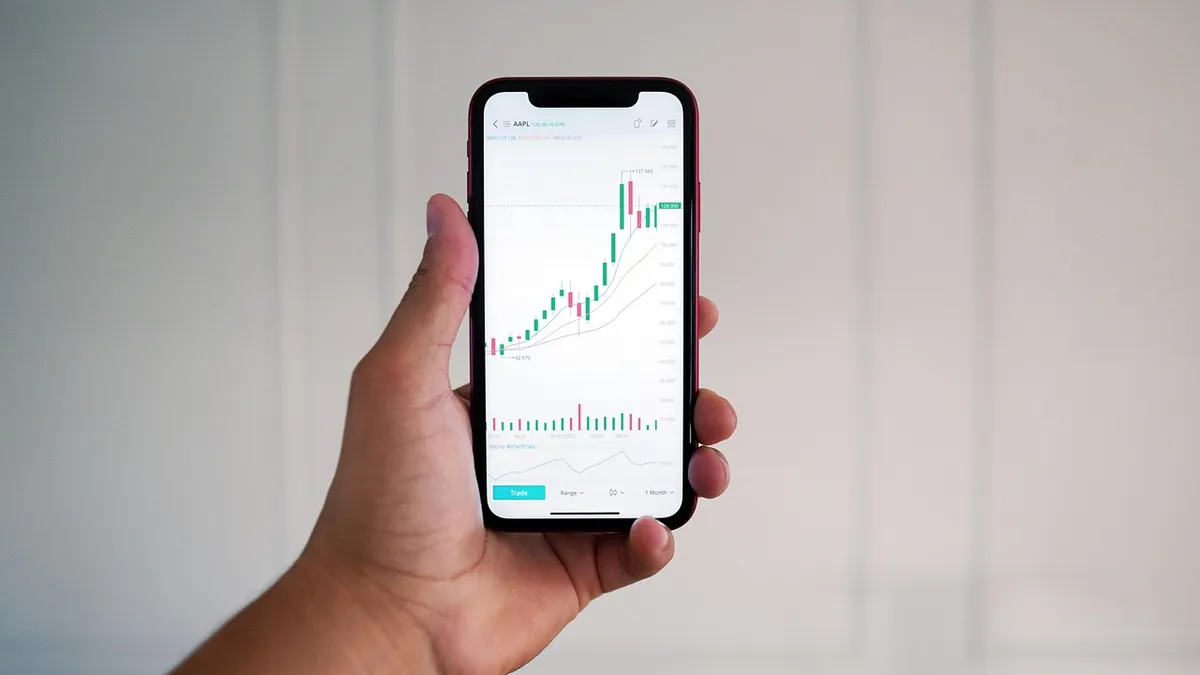
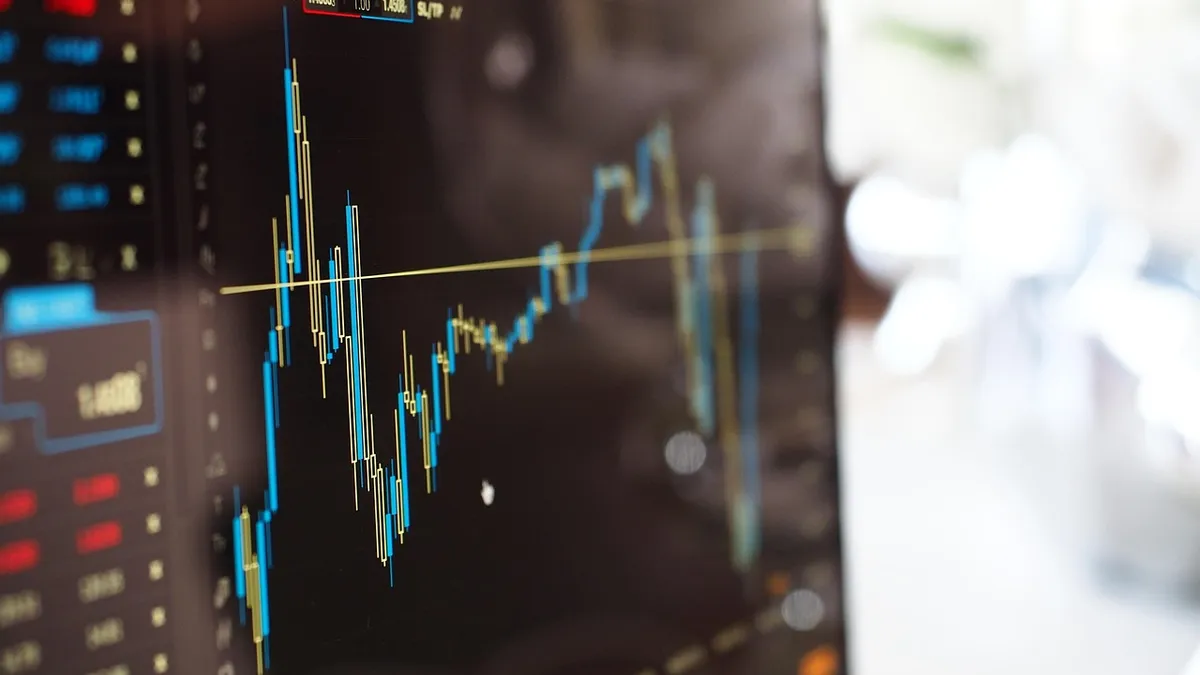
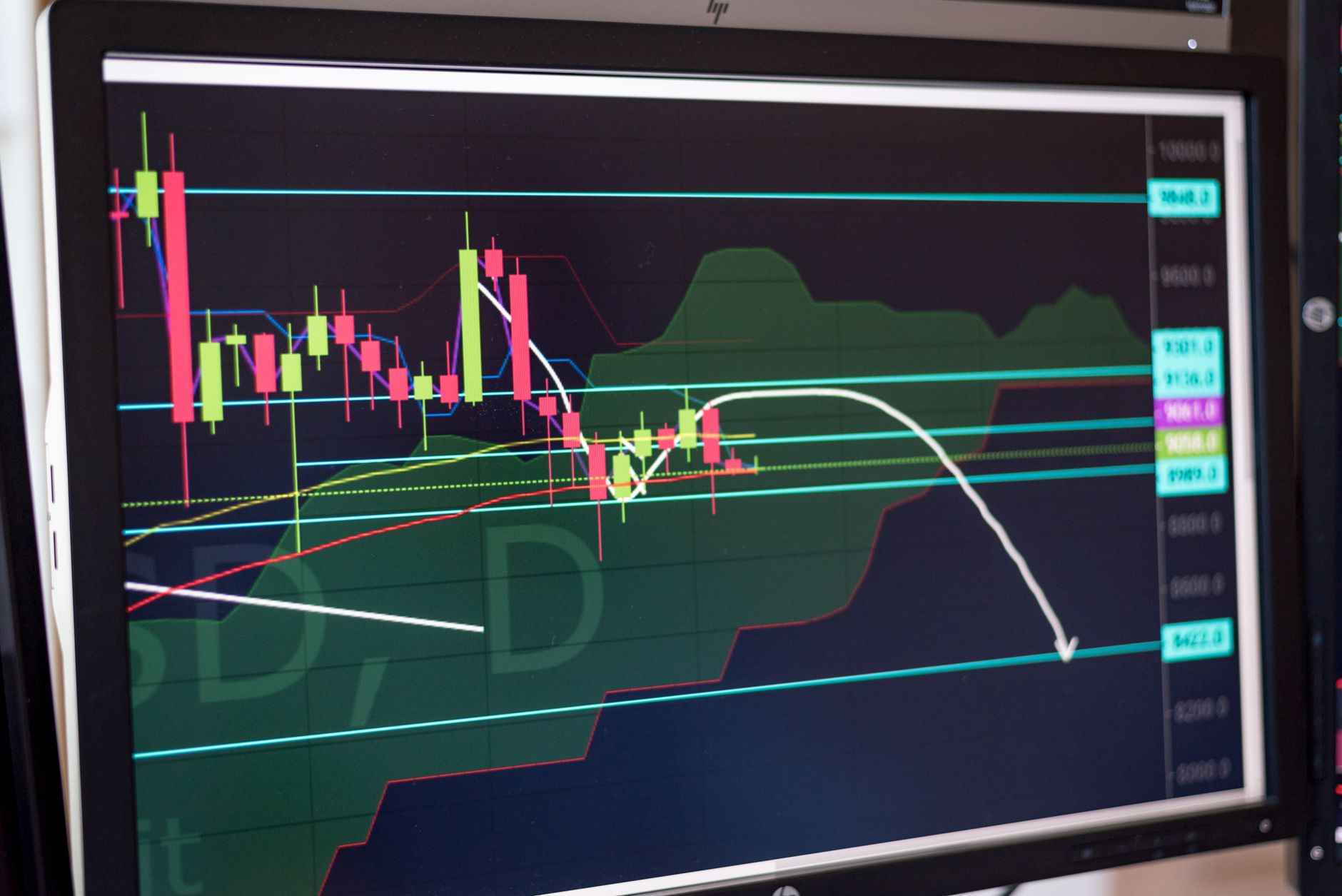
    how trading signals work entry stop-loss take-profit diagram — Crazii JTVertex
    A complete trading signal includes entry, stop-loss, and take-profit levels — not just a direction. · Photo: geralt / Pixabay
    Understanding the mechanics is only half the picture. The real question is: why does any of this matter specifically in 2026, when AI tools and automated platforms are everywhere? —

    Why Trading Signals Matter More Than Ever in 2026
    Why Trading Signals Matter More Than Ever in 2026
    💡

    Key points: In 2026, the Australian retail trading landscape has changed significantly — the active CFD client base has shrunk by 76% since pre-intervention levels. Traders who remain are more serious, better informed, and competing in a more efficient market. Signals provide the structured edge that separates disciplined traders from those who are simply guessing.

    Here is a number worth sitting with. The Australian CFD market had approximately 515,000 active clients per quarter before ASIC’s product intervention measures took effect around March 2021. By FY2023–24, that figure had dropped to roughly 119,300 active clients per quarter — a decline of 76%, according to ASIC Report 828. That is not a market shrinking. That is a market maturing. The traders who left were, in many cases, the ones who came in chasing quick returns after seeing social media ads. ASIC’s own data shows that 74% of retail clients acquired through paid online advertising lost money in FY2023–24 — worse than the sector average. The people who remain are different. They are more deliberate. More process-driven. And they are competing against each other in a tighter, more efficient pool. In that environment, a trading signal is not a shortcut. It is a competitive requirement. Think of it this way. A signal is to a trader what a recipe is to a chef. An experienced chef can cook without one — but even Gordon Ramsay tests recipes before putting them on a menu. The recipe does not replace skill. It encodes it. It makes skill repeatable and transferable. The proliferation of AI-generated signals in 2026 has added a new layer of complexity. Automated tools can now process enormous volumes of market data in milliseconds. But the traders winning with these tools are not the ones who blindly follow every alert. They are the ones who understand what the signal is measuring, why it fires when it does, and when to override it.

    The evidence: ASIC Report 828 recorded 26,243 Australian retail clients using copy trading in FY2023–24, with ASIC noting “a growing interest in copy trading.” This is a signal-adjacent behaviour — and the growth suggests that Australian traders are actively seeking structured, systematic approaches to market participation.

    Expert tip: Crazii JTVertex has noticed that the traders who last longest in this market are not the ones with the most sophisticated signals — they are the ones who use a single, well-understood signal type consistently for at least three months before adding complexity. Mastery of one edge beats superficial knowledge of ten.
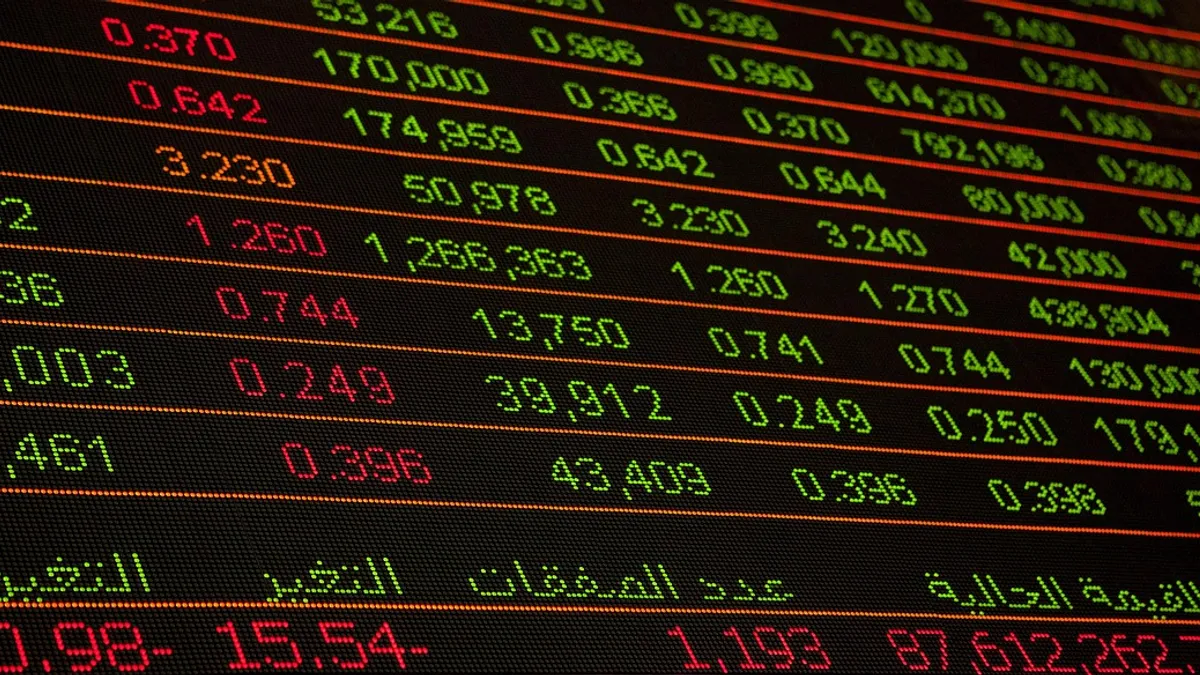
    Currently, you might be spending hours watching charts, second-guessing every move, and ending sessions feeling more confused than when you started. Imagine instead opening your platform with a clear set of conditions — knowing exactly what you are looking for, and what you will do when you find it. That shift does not require a new broker or a premium subscription. It requires a framework. Signals are that framework. For traders who want to go deeper on the theory behind signal construction, the best trading signals book every serious trader should own is a resource worth bookmarking.
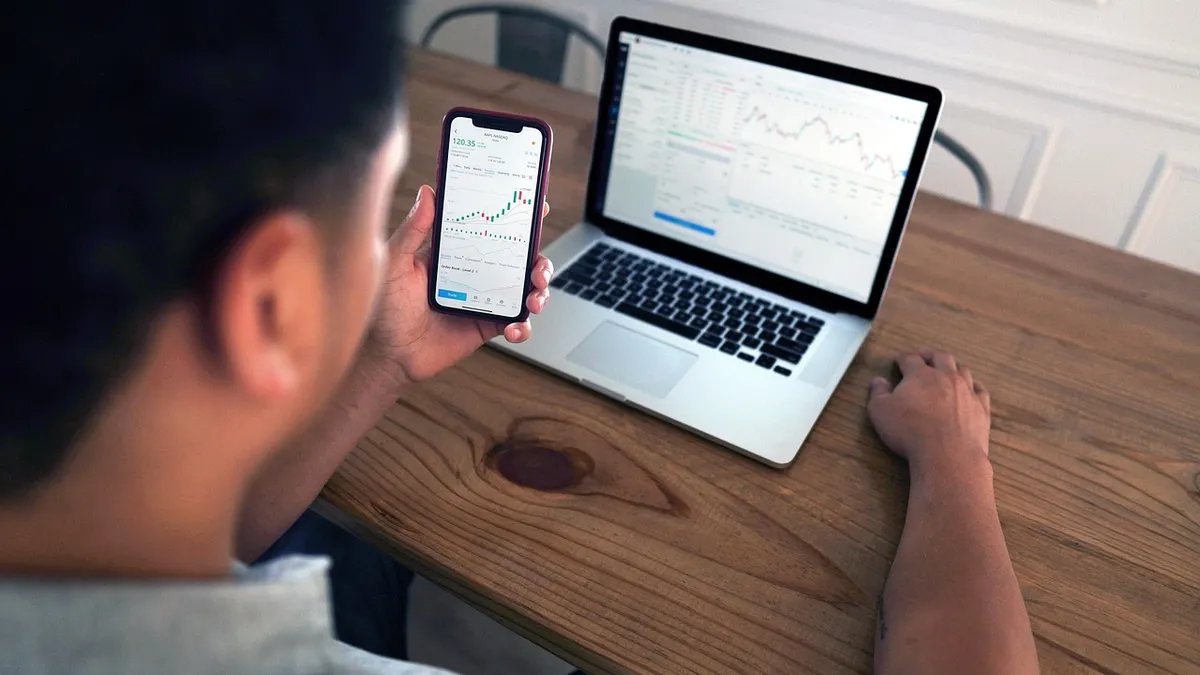
    trading signals importance for Australian retail traders 2026 — Crazii JTVertex
    In a maturing Australian market, structured trading signals separate disciplined participants from reactive ones. · Photo: AhmadArdity / Pixabay

    Ready to trade with a structured signal framework?

    AIMS gives Australian traders access to a professional trading environment with the tools to apply signal-based strategies from day one.

    Open an AIMS Account

    The Biggest Mistakes Traders Make With Trading Signals

    The Biggest Mistakes Traders Make With Trading Signals
    💡

    Key points: The most damaging mistakes with trading signals are not technical — they are behavioural. Treating a signal as a guarantee, ignoring the stop-loss, and chasing signals across too many instruments are the three patterns that consistently turn structured tools into expensive habits.

    Reading to this point, you might be thinking: “This all sounds sensible, but we have heard this before — signals, frameworks, discipline. It is the same advice everywhere.” Fair point. So let us get specific about what actually goes wrong — not in theory, but in the Tuesday morning reality of someone staring at a screen.
    Mistake 1
    Treating the signal as a guarantee

    A signal is a probability statement, not a promise. When a signal fires on RSI below 30, it means the asset is in oversold territory by that indicator’s definition — not that the price will reverse. The market can stay oversold for hours, days, or longer. James made this mistake in month two: he entered a sell signal on GBPUSD, ignored the broader uptrend on the daily chart, and held the position because “the signal said so.” The position ran against him for 48 hours before he finally closed it at a loss that took six subsequent winning trades to recover.

    Mistake 2
    Skipping or moving the stop-loss

    This is the most financially dangerous habit in retail trading. The stop-loss is not optional. It is the single mechanism that prevents a bad trade from becoming an account-ending event. ASIC’s data showing that 5% of retail clients would have been profitable in FY2023–24 but ended up in loss purely because of fees is striking — but an even larger silent group lost because they moved their stop-losses wider to “give the trade more room,” and the trade never came back. We have a personal rule: if we ever feel the urge to move a stop-loss further away from the entry, we close the trade instead. That rule has saved more capital than any signal ever has.

    Mistake 3
    Following too many signal sources simultaneously

    More signals do not equal more opportunities. They equal more noise. When you are receiving alerts from three different Telegram channels, a MetaTrader signal subscription, and a copy-trading account simultaneously, and they all fire within 20 minutes of each other on different instruments, you will do one of two things: freeze, or overtrade. Both are expensive. The traders who perform best with signals, in Crazii JTVertex’s experience, pick one source, follow it for a minimum of 30 trades before judging it, and resist the temptation to add another until they have a clear result.

    The evidence: ASIC Report 828 found that among active traders placing 50 or more open positions per month, 19% of those who would otherwise have been profitable ended up losing money after fees. Higher frequency trading correlated with worse outcomes — a direct consequence of acting on too many signals without adequate selectivity.

    Expert tip: Crazii JTVertex’s personal threshold — which is a heuristic, not a statistical rule — is to disregard any signal source that cannot show at least 100 completed trades in its history. Fewer than that and the win rate is statistically meaningless. A provider showing 15 trades at 80% accuracy is showing you almost nothing.
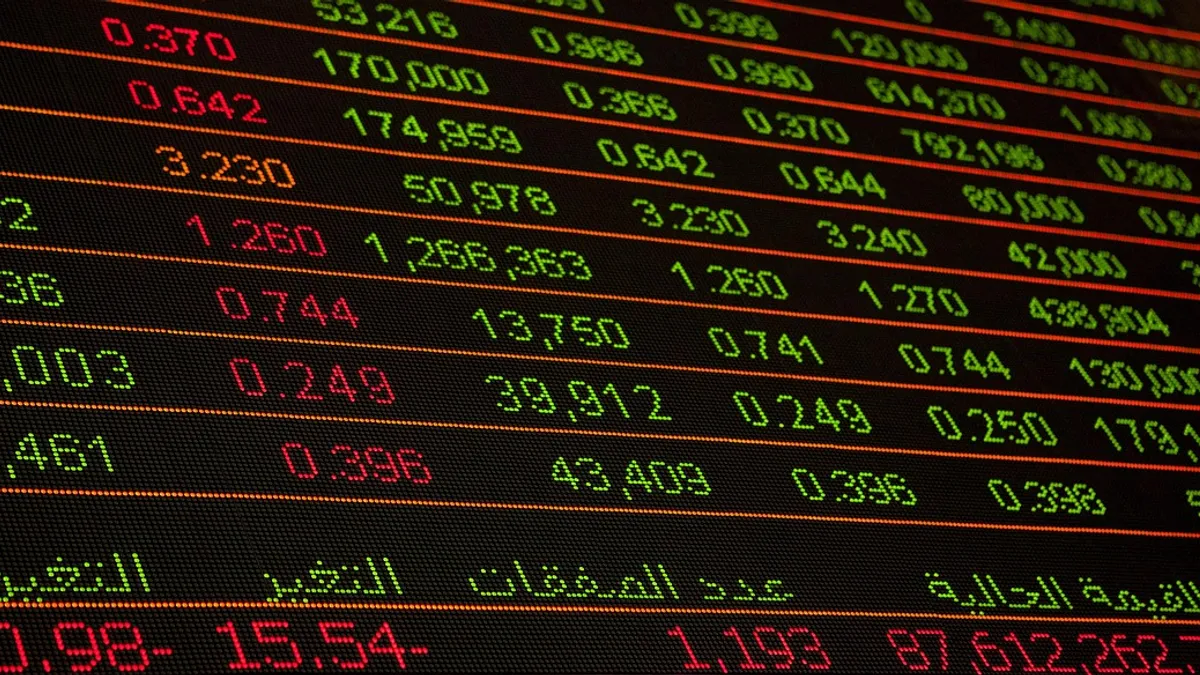
    Not everyone should use signals in the same way, either. If you are trading with capital you genuinely cannot afford to lose, if you have less than a month of live trading experience, or if you are unable to monitor a position once it is open — signals will not save you from those structural problems. That is not a criticism. It is an honest assessment of fit.
    common trading signal mistakes Australian traders should avoid — Crazii JTVertex
    Avoiding signal mistakes is as important as finding good signals — discipline determines outcomes. · Photo: AhmadArdity / Pixabay

    How to Evaluate a Trading Signal Before You Trust It
    How to Evaluate a Trading Signal Before You Trust It
    💡

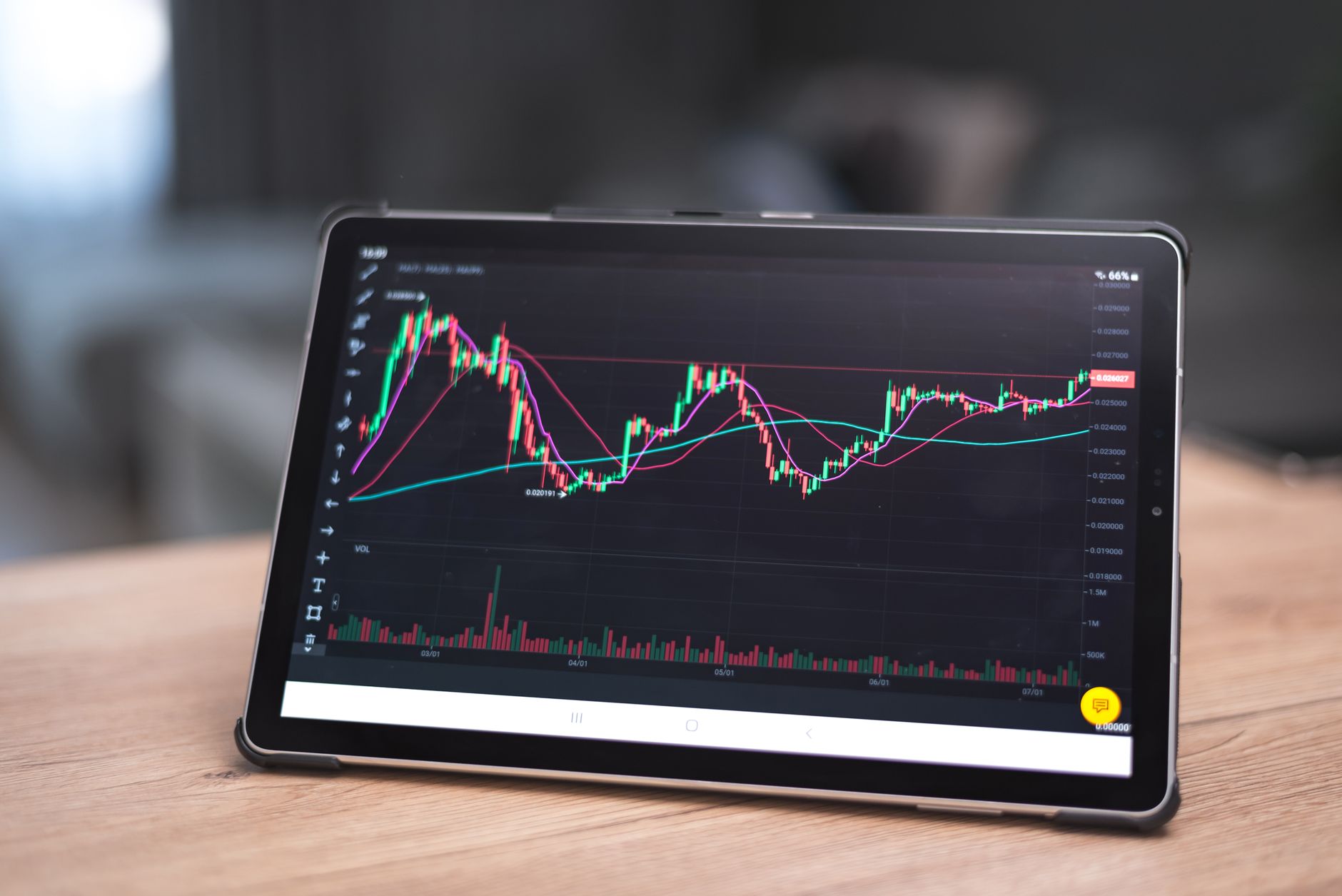
    Key points: Evaluating a trading signal means examining its track record, understanding its methodology, and assessing whether its risk parameters match your own. A signal with a 60% win rate but a poor risk-to-reward ratio can still be a net losing strategy over time.

    So how do you actually assess whether a signal is worth following? This is the question that separates traders who use signals intelligently from those who are just paying for someone else’s guesses.
    1

    Check the track record depth

    As a personal heuristic, we do not take any signal source seriously until it has at least 100 completed trades documented. Win rate figures based on fewer trades than that are statistically fragile — a provider with 20 trades at 75% accuracy could easily be at 45% by trade 100. Look for a sample that spans different market conditions: trending, ranging, and volatile.

    2

    Assess the risk-to-reward ratio

    A signal with a 50% win rate can be profitable if the average winning trade is twice the size of the average losing trade. Conversely, a signal with a 70% win rate can be a losing strategy if the losses are three times the wins. Always ask: what is the average risk-to-reward ratio on completed trades? If the provider cannot answer this, that is your answer.

    3

    Understand the methodology

    Does the signal provider explain what generates their signals? Is it based on moving average crossovers, RSI divergence, price action patterns, or something else? You do not need to be an expert in their method — but you need to understand it well enough to know when it is likely to fail. Every methodology has market conditions where it underperforms. If the provider claims their system works in all conditions, walk away.

    4

    Evaluate the drawdown history

    Drawdown is the peak-to-trough decline in an account following a series of losses. As a personal heuristic, we treat any signal source showing a historical drawdown above 20% with significant caution — not because 20% is a magical number, but because a drawdown of that magnitude on a real account will test the emotional limits of most retail traders. If you cannot psychologically sustain the drawdown, you will exit the strategy at the worst possible moment.

    5

    Paper trade it first

    Before committing real capital to any signal source, follow it for two to four weeks on a demo account. This is not about whether the signals are profitable in that window — two weeks is too short to judge. It is about understanding the rhythm: how frequently signals fire, how long positions stay open, and whether the process fits your schedule and temperament. James eventually did this. He found that the signal provider he was following issued most alerts between 2:00 and 4:00 AM Sydney time — which was completely incompatible with his life.
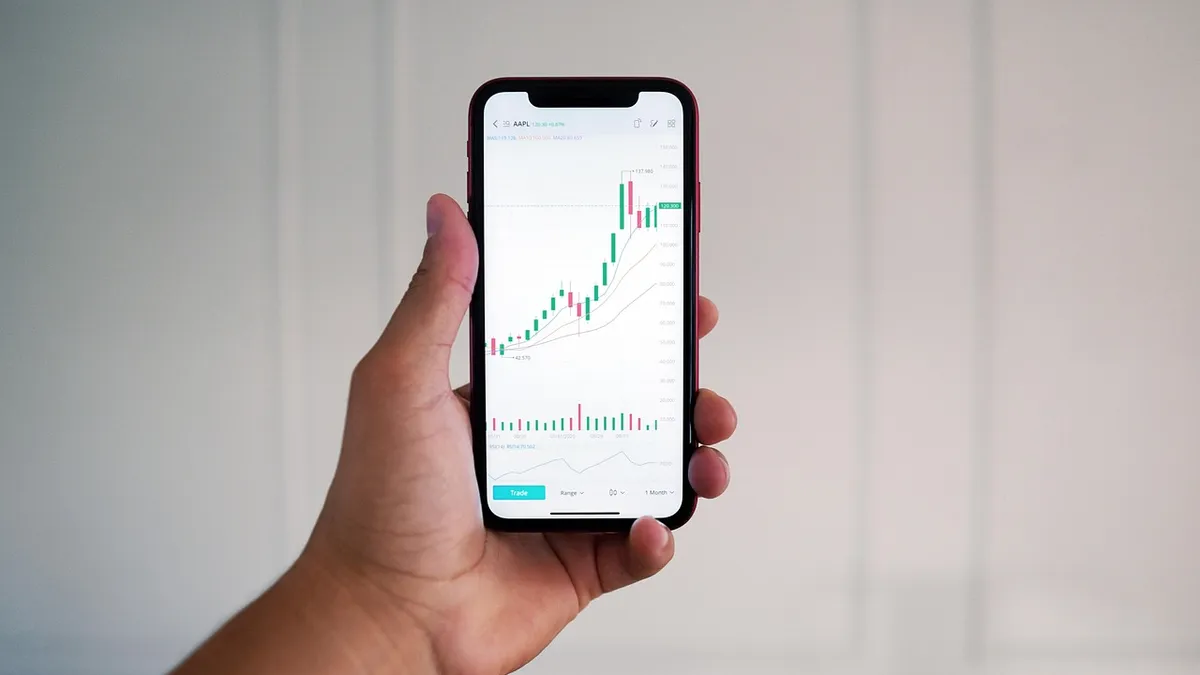
    For a broader view of the tools and signal sources available to Australian traders, the comprehensive guide on best trading signals and tools for Australian traders in 2026 covers the landscape in detail. And if you are just beginning to build your knowledge base, trading signals explained for Australian beginners in 2026 is a natural next step.
    how to evaluate trading signal quality before following — Crazii JTVertex
    Evaluating a signal’s track record, methodology, and drawdown history before committing capital is non-negotiable. · Photo: TheInvestorPost / Pixabay

    Frequently Asked Questions About Trading Signals
    Frequently Asked Questions About Trading Signals

    Are trading signals suitable for complete beginners in Australia?

    Trading signals can help beginners build structure, but they are not a substitute for foundational knowledge. If you do not understand what a stop-loss is or how leverage works, a signal will not protect you from those gaps. Start with education, then layer in signals as a decision-support tool — not a replacement for understanding.

    How much do trading signals typically cost?

    Costs vary widely. MetaTrader’s built-in marketplace includes free signals alongside commercial subscriptions. Paid Telegram-based signal services range from modest monthly fees to premium packages. The cost is less important than the documented track record — a free signal with 200 verified trades is worth more than an expensive one with 10.

    Can trading signals guarantee a profit?

    No. Any signal provider claiming guaranteed profits is making a statement that is both factually false and, in the Australian context, potentially in breach of ASIC’s regulatory expectations. Signals improve decision structure — they do not eliminate market risk. ASIC data shows 68% of Australian retail CFD clients lost money in FY2023–24 despite access to various signal and analytical tools.

    What is the difference between a trading signal and copy trading?

    A trading signal is an alert that you act on manually — you receive the information and decide whether to execute. Copy trading automatically mirrors another trader’s positions in your account. Copy trading removes the execution step but also removes your control. ASIC recorded 26,243 Australian retail clients using copy trading in FY2023–24, reflecting growing interest in more automated approaches.

    How do I know if a signal provider is trustworthy?

    Look for verifiable trade history with at least 100 completed trades, a clearly explained methodology, transparent drawdown data, and no claims of guaranteed returns. Be cautious of providers who cannot or will not share their historical performance in detail. If the track record only exists as screenshots, that is insufficient verification.

    Want to talk through your signal strategy with someone who trades?

    Crazii JTVertex offers direct support for Australian traders building their first systematic approach. Get in touch — no obligation, no sales pitch.

    Get in Touch

    Disclaimer: This content is general information only and does not constitute personal financial advice. Trading CFDs, forex, and margin products involves significant risk of loss. Past signal performance is not indicative of future results. Please consider your own financial situation and read all relevant product disclosure statements before making any trading decisions. Data cited from ASIC Report 828, published 20 January 2026.
  • How to Use Trading Signals Without Losing Your Edge

    How to Use Trading Signals Without Losing Your Edge

    Knowing how to use trading signals is the difference between having a tool and actually trading better — and most Australian traders never bridge that gap. At Crazii JTVertex, we have spent years watching traders receive perfectly good signals and still lose money, not because the signals were wrong, but because the process around them was broken. In this guide on how to use trading signals without losing your edge, Crazii JTVertex will show you exactly how to filter, time, and act on signals so they sharpen your decisions rather than replace them. By the end, you will have a repeatable framework you can apply before your next trade.

    Important note: This content is general information only and does not constitute personal financial advice. Trading CFDs, forex, and related instruments carries significant risk. According to ASIC Report 828, 68% of Australian retail CFD clients lost money in FY2023–24. Please consider your own financial circumstances and read all relevant disclosure documents before trading.

    Start with the right tools, not just the right signals

    Crazii JTVertex has mapped out the best trading signals and tools available to Australian traders right now.

    See the 2026 Tools Guide
    Table of contents

    What does it actually mean to use trading signals correctly?

    What does it actually mean to use trading signals correctly?
    What does it actually mean to use trading signals correctly?
    💡

    Key points: Using trading signals correctly means treating them as structured inputs to your decision-making process, not as automatic instructions. A signal tells you when conditions may be favourable — your job is to confirm context, size the position appropriately, and manage the trade once it is open.

    Picture this. It is 7:43 in the morning. Marcus, a 34-year-old electrician from Brisbane, opens his phone before his first coffee and sees a buy signal on AUD/USD. He hits the button. No stop-loss set. No check on what the London session just did overnight. The trade runs against him within the hour. Marcus is not reckless. He is just missing one thing: a process. Using trading signals correctly starts with understanding what a signal actually is. A signal is a conditional statement — “if these market conditions align, a trade in this direction has historically had a favourable probability.” That is it. It is not a promise. It is not a guarantee. It is a structured prompt for your attention. The first step is reading the signal in full before acting. Most signals include an entry price or zone, a stop-loss level, and one or more take-profit targets. Skipping any of these three elements means you are only using part of the information. The stop-loss in particular is not optional — it is the part of the signal that defines your risk. The second step is checking whether the signal fits your current account situation. If your account is down after a rough week, a signal that requires a large position to make the risk-reward worthwhile may not be appropriate right now. The signal does not know your account balance. You do. The third step is confirming the broader context. A buy signal on a currency pair that is trading against a strong macro trend is not automatically wrong, but it deserves more scrutiny. Spend 90 seconds checking the higher timeframe chart. Does the signal direction make sense given what the market has been doing?

    The evidence: ASIC Report 828 (published January 2026, covering FY2023–24 data) found that 74% of retail clients acquired via paid online advertising lost money — a worse outcome than the already-difficult sector average of 68%. This suggests that traders who arrive through promotional channels, often chasing signals or tips, tend to skip the contextual checks that matter most.

    Expert tip from Crazii JTVertex: The single most useful habit we developed was writing one sentence before every signal trade: “I am taking this trade because ___.” If we could not finish that sentence with something specific — not just “the signal said so” — we did not take the trade. It sounds tedious. It saved a lot of capital.

    1

    Read the full signal entry, stop, and target

    Do not act until you have all three components. A signal without a stop-loss level is incomplete information.

    2

    Check your account context

    Match the signal’s implied position size to your current risk budget. The signal does not adapt to your account — you have to.

    3

    Confirm the higher timeframe

    Spend 90 seconds on the daily or 4-hour chart. A signal that aligns with the larger trend has a cleaner risk profile than one trading against it.

    how to use trading signals correctly with entry stop and target — Crazii JTVertex
    A complete trading signal includes entry zone, stop-loss, and take-profit — all three matter equally. · Photo: TheInvestorPost / Pixabay
    So if signals are just structured prompts, why do so many traders still lose following them? That is exactly what we need to look at next.

    Why do traders who follow signals still lose money?

    Why do traders who follow signals still lose money?
    💡

    Key points: Following signals and using them well are two different things. Traders lose not because signals are inherently flawed, but because they overtrade, ignore fees, skip stop-losses, or chase signals outside their risk tolerance. The mechanism of loss is almost always behavioural, not analytical.

    Here is something most signal providers will never tell you: the signal is rarely the problem. ASIC’s Report 828 — the most current and authoritative dataset on Australian retail trading outcomes — found that 68% of retail CFD clients lost money in FY2023–24. That is 133,674 people losing a combined net of $458 million in a single financial year. To put that in everyday terms: if you lined up every losing retail CFD trader in Australia, you would fill the MCG to capacity and still need to find seats for another 50,000 people. But here is the detail that should stop you cold. Of that $458 million in losses, $73 million was fees. And ASIC found that 5% of retail clients who would have made a net profit ended up losing money purely because of fees. That is one in twenty traders who did everything right on the signal side and still finished the year in the red because they did not account for the cost of each trade. For active traders — those opening 50 or more positions per month — the situation was worse. Among those who were otherwise profitable before fees, 19% ended up losing once fees were applied. More signals acted on meant more fees paid, which flipped their outcome entirely. This is the mechanism. It is not mystical.

    The evidence: ASIC Report 828 identified that among active retail clients (50+ open positions per month), 19% of otherwise-profitable traders lost money after fees in FY2023–24. The implication is direct: signal frequency without fee awareness is a reliable path to a net loss, even when your signal selection is sound. Source: ASIC Report 828, January 2026.

    Marcus from Brisbane made this exact mistake. He was not wrong about the direction of half his trades. He was overtrading — taking every signal that arrived, paying the spread and overnight funding on each one, and watching his account erode from the bottom up rather than from bad calls. What changed for him was not finding better signals. It was setting a rule: a maximum of three open positions at any one time, and no new signal unless the expected risk-reward after fees was at least 1.5 to 1. Not a magic number — his own considered heuristic, based on his account size and the typical spreads on his platform.

    Expert tip from Crazii JTVertex: We used to think more signals meant more opportunities. What they actually meant was more fees and more emotional decisions at the tail end of the day when fatigue was highest. The traders we have seen sustain profitability over time are almost always trading less than they think they should be, not more.

    For a deeper look at how to evaluate which signals are worth acting on in the first place, the guide on best trading signals and tools for Australian traders in 2026 breaks down the landscape in practical detail.
    why traders lose money following trading signals fees and overtrading — Crazii JTVertex
    Fee drag and overtrading are the two most common reasons signal followers still finish in a net loss. · Photo: geralt / Pixabay
    Understanding why losses happen is step one. The next question is sharper: how do you actually evaluate a signal before you commit capital to it?

    Not sure which signal source to trust?

    Crazii JTVertex has reviewed the signal platforms most relevant to Australian traders — so you can compare before you commit.

    Compare Signal Sources

    How do you evaluate a trading signal before acting on it?

    How do you evaluate a trading signal before acting on it?
    💡

    Key points: Evaluating a signal before acting means checking four things: the signal provider’s verified track record (minimum 100 completed trades), the signal’s risk-reward ratio after fees, whether the market context supports the direction, and whether your current account can absorb the stop-loss without breaching your personal risk limit per trade.

    What separates a trader who uses signals well from one who just follows them blindly? The answer is a short checklist they run in under two minutes. Not a complicated system. Four questions, asked in order, every time. The first question is about the source. How many completed trades does this provider have on record, and what is the verified win rate across those trades? We personally disregard any signal source with fewer than 100 completed trades in its history — not because 100 is a magic number, but because anything less does not give you enough data to distinguish skill from a lucky streak. On the MetaTrader platform alone, there are over 3,200 signals available. Most of them are noise. A short track record in a trending market tells you almost nothing useful. The second question is about risk-reward. Before the trade opens, calculate the ratio of potential gain to potential loss — including the spread and any overnight funding if you expect to hold past the session. If the signal targets 30 pips of profit with a 25-pip stop, and the spread on your platform is 2 pips, your actual risk-reward is worse than it appears. This matters more than most traders realise. The third question is about context. Is the signal direction consistent with what the higher timeframe is doing? A short signal on a pair that has been in a strong uptrend for three weeks is not automatically wrong, but it is fighting the current. That does not mean you skip it — it means you size it smaller and hold it less time. The fourth question is about your account. Can you absorb the full stop-loss on this trade without exceeding 1-2% of your account equity on a single position? This is the rule that most traders know and most traders break. The signal does not care about your account size. You must apply that filter yourself.

    The evidence: MetaQuotes reports over 3,200 free and commercial signals available through the MetaTrader 5 Signals marketplace as of June 2026. The volume of available signals makes provider selection a critical skill — the majority of providers do not have statistically meaningful track records. Source: MetaQuotes, MQL5 Signals, mql5.com/en/signals/mt5, accessed 16 June 2026.

    Expert tip from Crazii JTVertex: One thing we rarely see discussed: the drawdown pattern of a signal provider matters as much as the win rate. A provider with a 65% win rate who occasionally loses 15 consecutive trades is a very different risk profile from one with a 55% win rate and a maximum drawdown of 8%. We look at the equity curve shape, not just the headline number. A smooth curve with a gradual upward slope tells me more than a flashy percentage.

    Evaluation Criterion What to Look For Red Flag
    Track record length 100+ completed trades minimum Fewer than 50 trades, or less than 3 months of history
    Risk-reward ratio At least 1:1.5 after fees and spread Target barely exceeds stop-loss before costs
    Drawdown history Maximum drawdown below 20% (author’s heuristic) Large single-session losses in the equity curve
    Higher timeframe alignment Signal direction consistent with daily trend Signal directly opposes a strong established trend
    Position sizing fit Stop-loss within 1-2% of your account equity Required size exceeds your per-trade risk limit
    For a broader understanding of what signals are and how they are generated, the article on what is a trading signal and why it matters in 2026 covers the foundations clearly.
    evaluating trading signal quality track record and risk reward — Crazii JTVertex
    A two-minute signal evaluation checklist can prevent the majority of poor entries before they happen. · Photo: 3844328 / Pixabay
    Knowing how to evaluate a signal is essential. But even traders who evaluate well make predictable, avoidable mistakes once the trade is live. Those mistakes are worth naming directly.

    Want signals that have already been filtered for quality?

    Crazii JTVertex points Australian traders toward signal sources that meet a real standard — not just the ones with the biggest marketing budget.

    See Crazii’s Recommendations

    What are the most common mistakes when using trading signals?

    What are the most common mistakes when using trading signals?
    💡

    Key points: The three most damaging mistakes when using trading signals are: moving your stop-loss after entry, taking signals outside your planned trading session, and treating a high win rate as proof of a reliable provider without checking drawdown history. Each of these mistakes erodes your edge silently over time.

    Most traders do not blow up on one bad signal. They erode slowly, through habits that feel reasonable in the moment.
    Mistake 1
    Moving the stop-loss after the trade is open

    The signal gave you a stop-loss level for a reason — it marks the point where the trade thesis is invalidated. Moving the stop wider when price approaches it is not risk management. It is hope management. We have done this. It rarely ends well. The stop-loss in a signal is part of the signal’s logic, not a suggestion.

    Mistake 2
    Taking signals outside your planned trading hours

    A signal generated for the London session open behaves differently if you are acting on it at 11 pm Sydney time when liquidity is thin and spreads are wider. Signals are context-dependent. The market conditions that made the signal valid may not exist when you execute it three hours later. Decide your trading window in advance and only act on signals that arrive within it.

    Mistake 3
    Conflating a high win rate with a reliable signal source

    A provider with an 80% win rate who uses very wide stop-losses and small take-profits can still produce a net loss over time if the losing trades are large enough. Win rate without position sizing context and drawdown history is a number without meaning. Always ask: what does the losing 20% look like?

    The evidence: ASIC Report 828 found that 85% of retail clients lost money trading options CFDs in FY2023–24 — the highest loss rate of any product category reviewed. Options CFDs are often marketed alongside signal services. The data suggests that product complexity combined with signal-following without adequate understanding is particularly damaging to retail outcomes.

    Marcus hit Mistake 2 hard. He was receiving signals calibrated for the European session and acting on them during the Australian afternoon, often hours after the optimal entry window had closed. The signal was still technically valid — but the entry price had moved, the spread was different, and the risk-reward he was actually getting was not the one the signal implied. He was not trading the signal. He was trading a degraded version of it.

    Expert tip from Crazii JTVertex: We set a hard rule: any signal older than 45 minutes at the time we see it gets skipped entirely, unless the entry price is still within the specified zone. A stale signal is not a signal — it is a historical note. Acting on it is a different trade from the one the provider intended.

    If you want to go deeper on the analytical side of signal selection, the resource on the best trading signals book every serious trader should own covers the foundational frameworks that underpin good signal analysis.
    common mistakes using trading signals stop loss and timing errors — Crazii JTVertex
    Moving stop-losses and acting on stale signals are the two habits that most consistently erode a trader’s edge. · Photo: Pexels / Pixabay
    Avoiding mistakes is defensive. What does the offensive side look like — a personal workflow that actively protects and builds your edge over time?

    How do you build a personal signal workflow that protects your edge?

    How do you build a personal signal workflow that protects your edge?
    💡

    Key points: A personal signal workflow is a written, repeatable process covering four stages: signal intake (when and how you receive signals), pre-trade evaluation (the checklist from Section 3), trade management (stop-loss discipline and partial exits), and post-trade review (logging outcomes to identify patterns in your own behaviour). Without all four stages, signals remain reactive rather than strategic.

    Here is the honest reality that most signal guides skip entirely. Signals do not protect your edge. Your workflow does. Signals are inputs. The workflow is the system that determines whether those inputs improve your results or add to the noise. The intake stage is about controlling when and how signals reach you. Notifications arriving at all hours create the conditions for impulsive decisions. We recommend designating one or two windows per day — say, 30 minutes before the London open and 30 minutes before the New York open — where you review signals actively. Outside those windows, notifications are off. This alone removes a significant category of mistakes. The pre-trade evaluation stage is the checklist from Section 3, applied without shortcuts. Every single time. The temptation to skip it when a signal “looks obvious” is exactly when you should slow down most. The trade management stage is where most traders lose discipline. Once a trade is open, the job is to let the signal’s logic play out — not to intervene emotionally. If the price is approaching your stop-loss, the stop-loss does its job. If the first take-profit target is hit, consider taking partial profits and moving the stop to breakeven on the remainder. This is not a rule — it is a reasonable approach that reduces the emotional cost of managing open positions. The post-trade review stage is the one almost nobody does consistently. After each trade closes, spend five minutes logging: the signal source, the entry and exit prices, whether you followed your process, and what you would do differently. Over three months, patterns emerge. You will see which signal sources perform well for your trading style and which do not. You will see whether your own deviations from process help or hurt.

    The evidence: ASIC Report 828 noted 26,243 retail clients used copy trading in FY2023–24, with ASIC observing “a growing interest in copy trading” — a form of automated signal following. Yet overall retail loss rates remained at 68%. This suggests that even systematic signal following does not guarantee better outcomes without appropriate risk controls at the individual level.

    Expert tip from Crazii JTVertex: The post-trade log is where your actual edge lives. We discovered through logging that we consistently outperformed on signals in the first two hours of the London session and consistently underperformed on signals taken after 8 pm Sydney time. That single insight — which took about six weeks of logging to surface — was worth more than any signal subscription we have paid for. You cannot find that pattern without the data.

    Who is this workflow NOT for? If you are trading with capital you cannot afford to lose, no workflow will change the fundamental risk profile of the market. And if you are looking for a system that requires no attention or judgement, copy trading exists — but ASIC data shows that even automated signal-following does not reliably protect retail clients from losses. This framework is for traders who are committed to being active participants in their own process, not passengers. For traders who want to take the next step and understand how signals apply specifically to crypto markets, the guide on best crypto buy sell signals that remove emotional guesswork is worth reading alongside this one.
    personal trading signal workflow intake evaluation management review — Crazii JTVertex
    A four-stage signal workflow turns reactive signal-following into a deliberate, reviewable process. · Photo: TheInvestorPost / Pixabay
    Marcus built his workflow over about eight weeks. Not perfectly — he still skips the post-trade log more than he should. But his account is no longer eroding. The signals he acts on now are a fraction of the ones he used to take, and the ones he does take are better filtered. That is the shift. Not better signals. Better process.

    Frequently asked questions about trading signals

    Frequently asked questions about trading signals

    How many trading signals should I act on per day?

    There is no universal number, but acting on fewer signals with higher conviction tends to produce better outcomes than acting on every signal that arrives. A practical starting point is a maximum of two to three positions open simultaneously, adjusted to your account size and risk tolerance.

    Can I use trading signals without any prior market knowledge?

    You can follow signals without deep knowledge, but you will struggle to evaluate their quality or manage trades sensibly when conditions change. A basic understanding of the instrument you are trading — including what moves it and how leverage works — is the minimum required to use signals responsibly.

    Are free trading signals as reliable as paid ones?

    Signal quality is determined by track record, risk-reward consistency, and drawdown history — not by price. Some free signals outperform paid ones. Evaluate every source by the same criteria regardless of cost, and be especially sceptical of any provider that does not publish a verifiable trade history.

    What is the difference between copy trading and using trading signals manually?

    Copy trading executes positions automatically based on another trader’s activity. Manual signal use requires you to review, evaluate, and execute each trade yourself. Manual use gives you more control and allows you to apply your own risk filters — but it also requires more time and discipline. ASIC data shows 26,243 Australian retail clients used copy trading in FY2023–24.

    How do I know if a trading signal provider is legitimate?

    Look for a verified track record of at least 100 completed trades, transparent drawdown history, and clearly stated risk parameters per signal. Be cautious of providers who only share winning trades or who promise consistent returns. In Australia, any service providing personalised financial advice must hold an Australian Financial Services Licence.

    Ready to talk through your signal setup?

    Crazii JTVertex works with Australian traders to build signal workflows that fit their schedule, account size, and risk profile. Start the conversation.

    Join the Community