Tag: best trading signals group

  • Best Trading Signals Group on Telegram Worth Joining in 2026

    Best Trading Signals Group on Telegram Worth Joining in 2026

    The best trading signals group on Telegram can be the difference between entering a trade with confidence and staring at a chart at midnight wondering if you’ve just made a costly mistake. At Crazii JTVertex, we’ve spent years inside these communities — testing, filtering, and yes, losing money on the bad ones — so you don’t have to repeat those same lessons. This guide covers exactly what makes a Telegram signals group worth joining in 2026, what to walk away from immediately, and how to use signals as a proper first step in your trading toolkit. By the end, you’ll have a clear framework to evaluate any group yourself — and know precisely which ones deserve a spot on your screen.

    Start with the right community

    Join the Crazii JTVertex group chat for signals discussion, market commentary, and direct support from traders who actually trade.

    Join the Telegram Group
    Table of Contents

    🛠️ Tools to Pair With Your Signals

    Trading Platform

    AIMS Trading Platform

    Signals mean nothing without a reliable platform to execute them. AIMS gives Australian traders fast execution and the instruments they actually need.

    Open an Account
    Signal Analysis Tool

    Crazii Signal Dashboard

    Track, filter, and act on signals without tab-switching chaos. Built for traders who want clarity, not noise.

    Try Crazii Free

    What Makes a Trading Signals Group on Telegram Actually Worth Joining?
    What Makes a Trading Signals Group on Telegram Actually Worth Joining?
    💡

    Key points: A worthwhile Telegram trading signals group provides verified trade history, clear entry and exit levels, transparent risk disclosures, and an active moderator who explains the reasoning — not just the numbers. Without these, you’re following noise, not signals.

    Here’s the honest truth most signal providers won’t say out loud: the majority of Telegram groups exist to benefit the admin, not you. That’s not cynicism. That’s pattern recognition from years of watching traders — including traders we has spoken with directly — hand over their trust (and their capital) to groups that post winning screenshots but never show the full account statement. So what actually separates a group worth your time from one that’ll cost you money? The first thing to look at is trade history transparency. A credible group will show a running log of every signal sent — entries, exits, stop-losses, and outcomes. Not cherry-picked wins. Everything. If a group only posts “look at this trade” after it’s already closed in profit, walk away. The second marker is the reasoning behind each signal. Does the admin explain why they’re entering? Which timeframe? What’s the invalidation level? Signals without context turn you into a button-presser, not a trader. And button-pressers are the ones who panic-close at the worst moment. Third — and this is where most traders skip too quickly — check whether the group acknowledges risk. According to ASIC’s Report 828, published in January 2026, 68% of retail CFD clients in Australia lost money during FY2023–24. That’s not a scare statistic; it’s a calibration tool. Any signals group that doesn’t acknowledge this reality is either uninformed or deliberately misleading you.

    The evidence: ASIC’s Report 828 (January 2026) found that 133,674 retail clients lost money trading CFDs in FY2023–24, with net losses exceeding $458 million — including $73 million in fees alone. That figure means fees, on average, eroded profit for clients who might otherwise have broken even.

    Expert tip: Crazii JTVertex personally ignores any signal group with fewer than 100 documented trades in its history. Not 100 winning trades — 100 total trades, wins and losses combined. Below that threshold, any win rate is statistically meaningless. This is a heuristic from experience, not a guaranteed filter, but it’s cut through a lot of noise over the years.
    The fourth marker is community behaviour. Scroll back through the group’s message history. Are members asking questions and getting real answers? Or is every comment a string of fire emojis and “sir, when moon?” The culture of a group reflects the quality of its leadership. We will say this plainly: a signals group is a starting point, not a strategy. The best ones teach you to think; the worst ones teach you to depend. For a broader look at the tools that sit alongside signals in a complete trading setup, the guide on best trading signals and tools for Australian traders in 2026 covers the full picture.
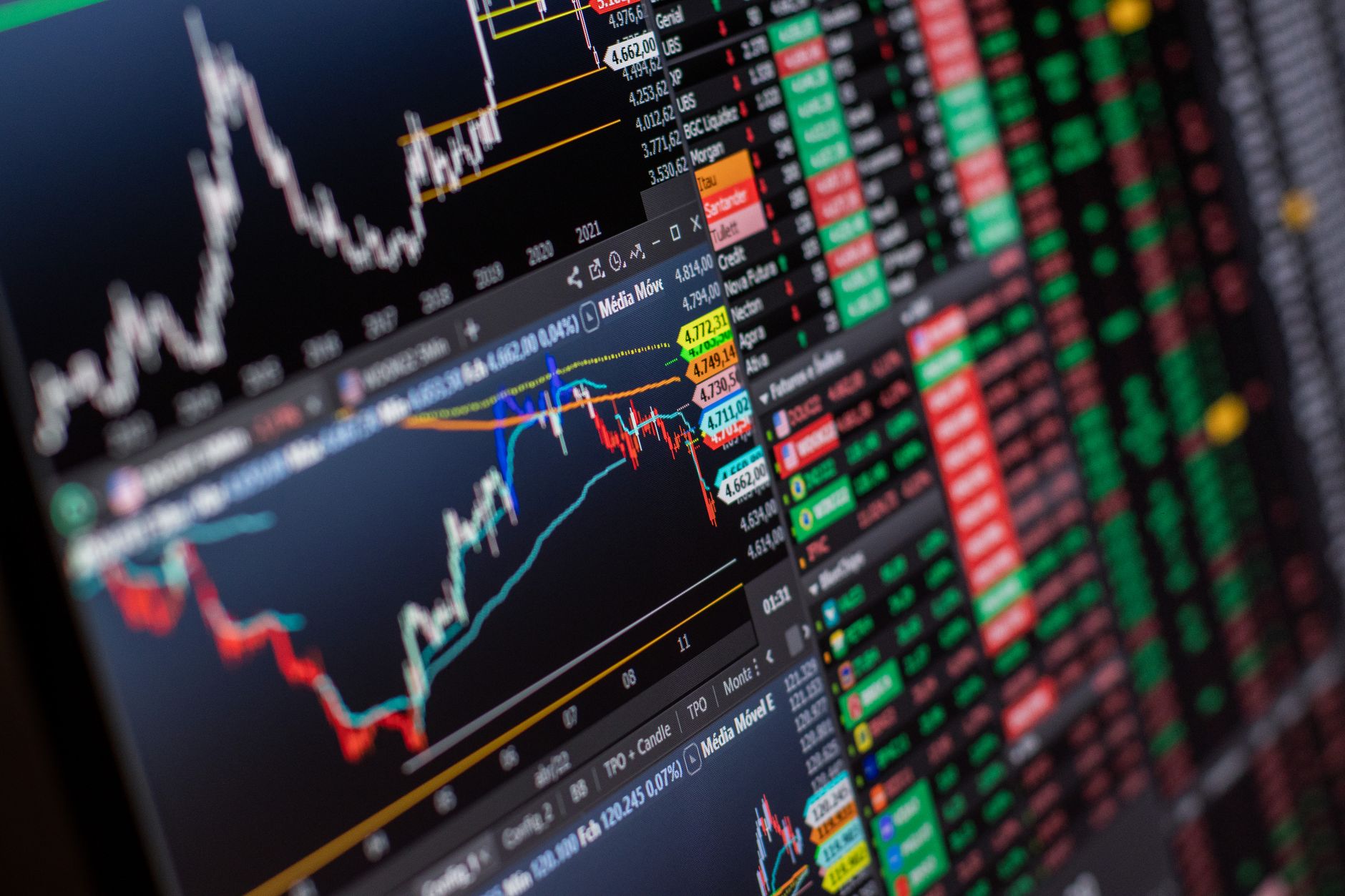
    best trading signals group on Telegram evaluation criteria — Crazii JTVertex
    What separates a credible Telegram trading signals group from a screenshot-only operation · Photo: AhmadArdity / Pixabay

    How Do Telegram Trading Signals Work — and What Should You Expect?
    How Do Telegram Trading Signals Work — and What Should You Expect?
    💡

    Key points: Telegram trading signals are structured trade alerts — typically including an instrument, direction (buy or sell), entry price, stop-loss, and take-profit levels. They are tools for informed decision-making, not automated instructions. You still execute the trade yourself and carry the full risk.

    Meet Marcus. He’s a 34-year-old project manager from Brisbane who started trading forex on the side two years ago. He joined three Telegram signal groups in his first month, followed every alert without question, and by month three had lost a meaningful portion of his starting capital. Not because the signals were always wrong — some were good — but because he had no idea what to do when the market moved against him before hitting the take-profit. That’s the gap most signal groups never address. A Telegram trading signal is, at its core, a structured message. A well-formatted one looks something like: instrument (EUR/USD), direction (buy), entry zone (1.0850–1.0870), stop-loss (1.0820), take-profit levels (1.0920, 1.0980). Simple. Clean. Actionable. What it doesn’t tell you is what to do if the entry never triggers. Or if news drops mid-trade and volatility spikes past your stop. Or if you’re asleep when the signal fires at 3am AEST because the London session just opened.

    The evidence: MetaQuotes’ MQL5 marketplace hosts over 3,200 free and commercial trading signals across MT4 and MT5 platforms as of June 2026 — which means the supply of signals vastly exceeds the average trader’s ability to evaluate them. Volume is not quality.

    This is why the best trading signals groups on Telegram pair every alert with context. They tell you the session (London, New York, Asian), the catalyst if there is one, and — critically — the conditions under which the signal is no longer valid. That last part is what Marcus was missing. He kept holding trades that had already failed on their own logic because nobody told him when to let go.

    Expert tip: We always checks whether a signal specifies an “invalidation condition” — a scenario that means the trade idea is wrong regardless of price. For example: “if price breaks above 1.0900 before entry, skip this trade.” Groups that include this detail are operating at a fundamentally different level. Most don’t bother. That’s your filter.
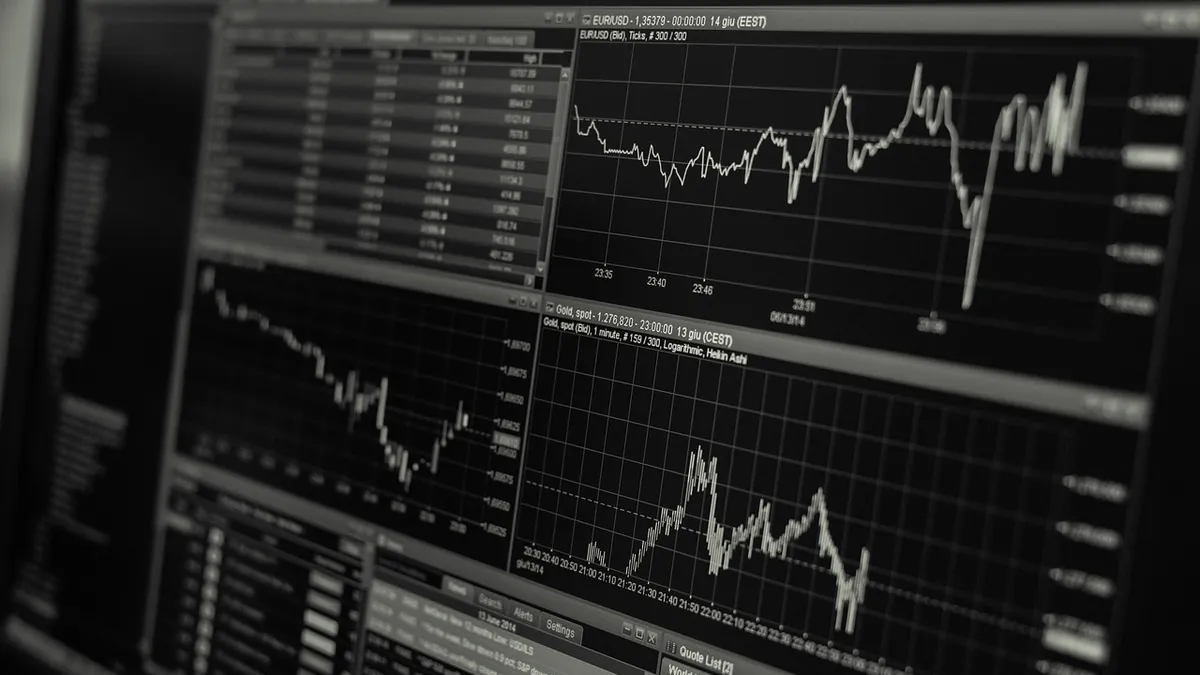
    The execution side matters as much as the signal itself. You need a platform that can handle the instruments the group covers, with execution fast enough to hit the entry zone before it closes. Pairing signals with a reliable broker is step two in the process — which is exactly why we recommends checking out what is the best trading signal app for busy Australian traders before committing to any workflow. Marcus, by the way, didn’t quit. He found a group that explained its reasoning, started paper-trading the signals before using real capital, and eventually built enough context to manage his own entries. That process took about four months. Worth it.
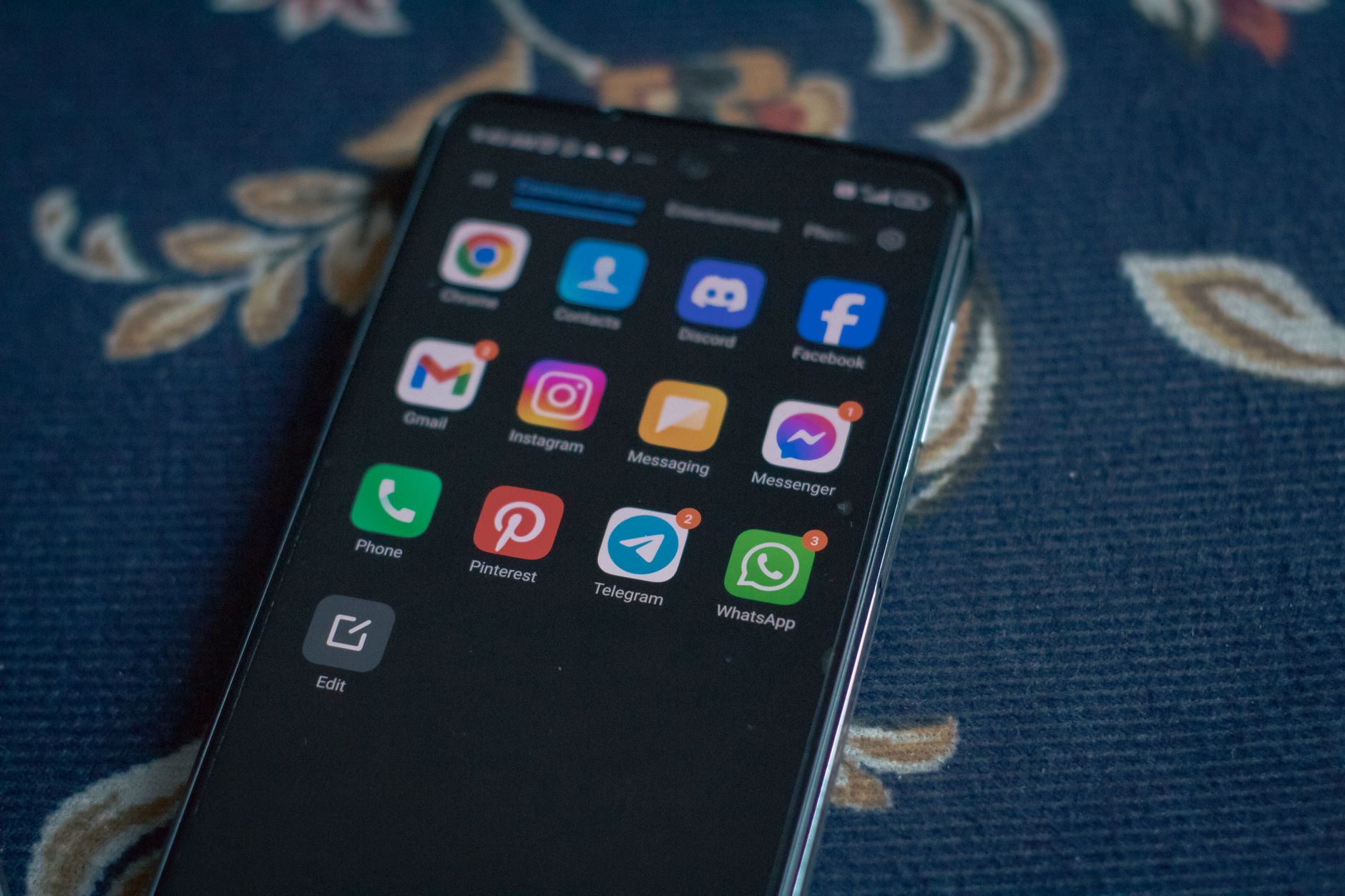
    how Telegram trading signals work for Australian retail traders — Crazii JTVertex
    The anatomy of a well-structured Telegram trading signal and what each component means for your execution · Photo: 3844328 / Pixabay

    Want signals with context, not just numbers?

    The Crazii JTVertex Telegram group shares trade ideas with reasoning, session context, and real discussion — not just entry and exit alerts.

    Join the Group

    Which Types of Telegram Signal Groups Suit Australian Traders Best?
    Which Types of Telegram Signal Groups Suit Australian Traders Best?
    💡

    Key points: Australian traders face a unique timing challenge — the ASX session overlaps poorly with London and New York. The best-fit signal groups for Australian traders either focus on the Asian session, cover forex pairs active during AEST hours, or provide advance alerts you can set and monitor without staying up past midnight.

    If you’re trading from Sydney or Melbourne, your market hours create a specific problem that traders in London or New York never have to think about. The London session opens at 8pm AEST. New York overlaps from 11pm to 3am. That’s when the highest-volume, most liquid forex moves happen — and most signal groups are built around those windows. So either you’re trading at midnight, or you’re waking up to signals that expired six hours ago. This is a structural issue, not a personal discipline problem. And it means the type of signals group you join matters enormously.
    Group Type Best For AEST Timing Risk Level
    Forex (Major Pairs) Liquidity, tight spreads Late night / early morning High
    Crypto Signals 24/7 market access Anytime Very High
    ASX / Equity CFDs Local session alignment 10am–4pm AEST High
    Asian Session Forex AUD/JPY, AUD/USD pairs 8am–4pm AEST Moderate–High
    Advance-Alert Groups Traders with day jobs Flexible Varies
    For most Australian retail traders — particularly those working full-time — advance-alert groups are the most practical fit. These groups post signals before the relevant session opens, giving you time to set your orders and walk away. The trade manages itself via stop-loss and take-profit levels. You don’t need to be glued to a screen. Asian session groups are underrated for Australian traders. The AUD/USD and AUD/JPY pairs see their most relevant price action during hours that align with a normal working day in Australia. A group focused on this window lets you trade during business hours without the lifestyle disruption.

    The evidence: ASIC Report 828 (January 2026) noted that among active traders executing 50 or more open positions per month, 19% of those who would otherwise have been profitable ended up in a net loss after fees. More trading activity, not less, correlated with worse outcomes — which makes the “set and monitor” approach more defensible than high-frequency signal-following.

    Expert tip: Crazii JTVertex has a personal rule: if a signal requires you to monitor it actively for more than 30 minutes after entry, the risk management in that signal is probably inadequate. A properly structured trade should be able to run on its own. If you find yourself babysitting every position, the group’s signal quality — not your discipline — is the problem.
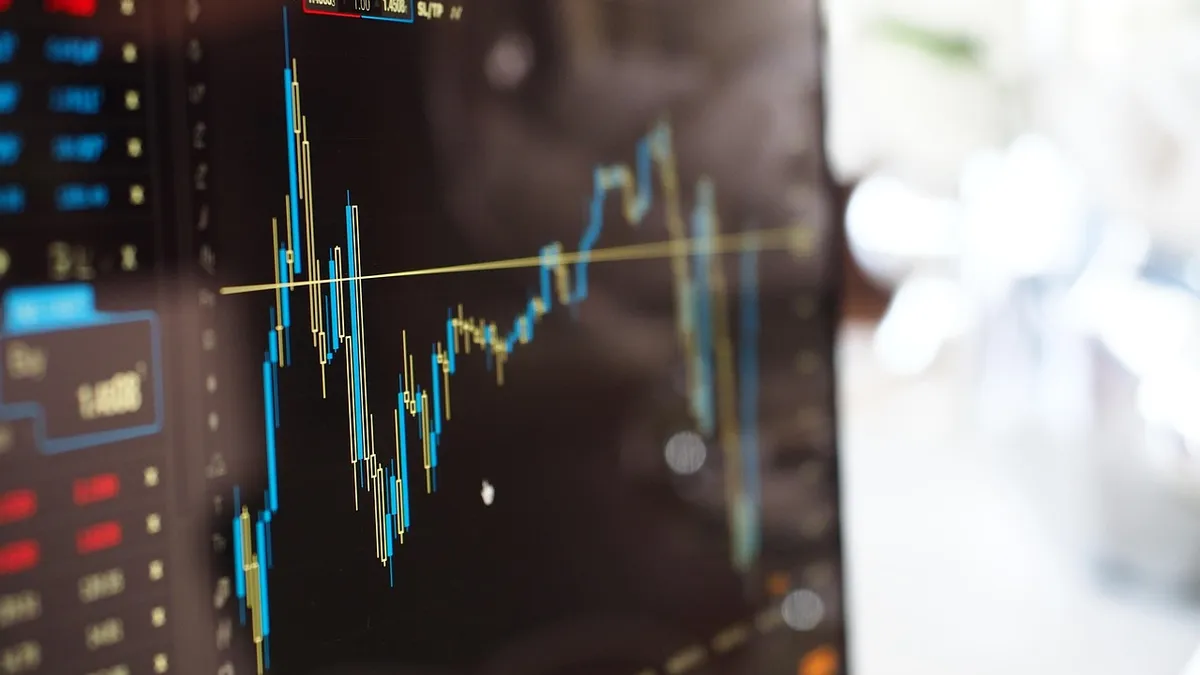
    One more consideration: instrument coverage. Some Telegram groups specialise in a single asset class (forex only, crypto only, commodities only). Others cover everything. For newer traders, a focused group is almost always better. Trying to follow signals across five asset classes simultaneously is how you end up half-managing four losing trades at once. For traders who want to go deeper on signal setups that work across different market conditions, the breakdown of best TradingView buy sell signal setups that work in 2026 is worth reading before you settle on a group type.
    Telegram trading signal group types for Australian traders — Crazii JTVertex
    Comparing signal group types by session timing and suitability for Australian retail traders · Photo: Pexels / Pixabay

    Find the right signals for your schedule

    Crazii JTVertex covers Asian session and advance-alert signals designed around Australian trading hours — not London or New York.

    Explore Crazii Signals

    What Are the Biggest Mistakes Traders Make When Following Telegram Signals?

    What Are the Biggest Mistakes Traders Make When Following Telegram Signals?
    💡

    Key points: The three most costly mistakes when following Telegram trading signals are: entering trades late after missing the entry zone, ignoring the stop-loss because “it looks like it’ll recover,” and over-sizing positions because the signal “looks certain.” None of these errors come from bad signals — they come from how traders respond to them.

    Mistake 1
    Entering a trade after the entry zone has already closed

    The signal says entry at 1.0850–1.0870. You see it an hour later when price is at 1.0910. You enter anyway because you don’t want to miss the move. Now you’re chasing — and your stop-loss is suddenly much closer relative to your entry than the signal intended. This is one of the most common ways traders turn a well-structured signal into a losing trade. If you missed the zone, the trade is gone. Wait for the next one.

    Mistake 2
    Moving or removing the stop-loss mid-trade

    Price hits your stop, you close — and then the trade reverses and goes to take-profit without you. That hurts. So next time, you move the stop further away “just to give it room.” Now you’re not following signals anymore; you’re improvising. And improvised risk management is how small losses become large ones. The stop-loss in a signal is part of the trade’s logic. Removing it changes the trade entirely.

    Mistake 3
    Over-sizing because the signal “looks strong”

    A signal that “looks certain” is still a signal with risk. ASIC’s data makes this uncomfortable to ignore: 68% of retail CFD clients in Australia lost money in FY2023–24. That means even the clients who thought they had good setups were mostly wrong. Position sizing should be consistent regardless of how confident the signal feels. One outsized trade can wipe out weeks of disciplined gains.

    The evidence: ASIC Report 828 (January 2026) found that 5% of retail clients would have made a net profit but ended up losing solely because of fees. Think about that: one in twenty profitable traders was flipped into a loss by transaction costs alone. Over-trading amplifies this effect directly.

    Marcus — remember him from Brisbane — made all three of these mistakes in his first three months. The one that cost him most was Mistake 2. He moved his stop-loss four times on a single EUR/USD trade, convinced the setup was still valid. It wasn’t. The signal had already failed on its own terms. He just couldn’t see it because he was emotionally attached to being right.

    Expert tip: We uses a rule that sounds almost too simple: if the reason you’re still in a trade has changed from the reason you entered, close it. Signals have a specific logic. When that logic is invalidated — by price action, by news, by time — the trade is over, whether or not you’ve hit your stop. Most traders don’t close early enough. That’s the expensive habit.
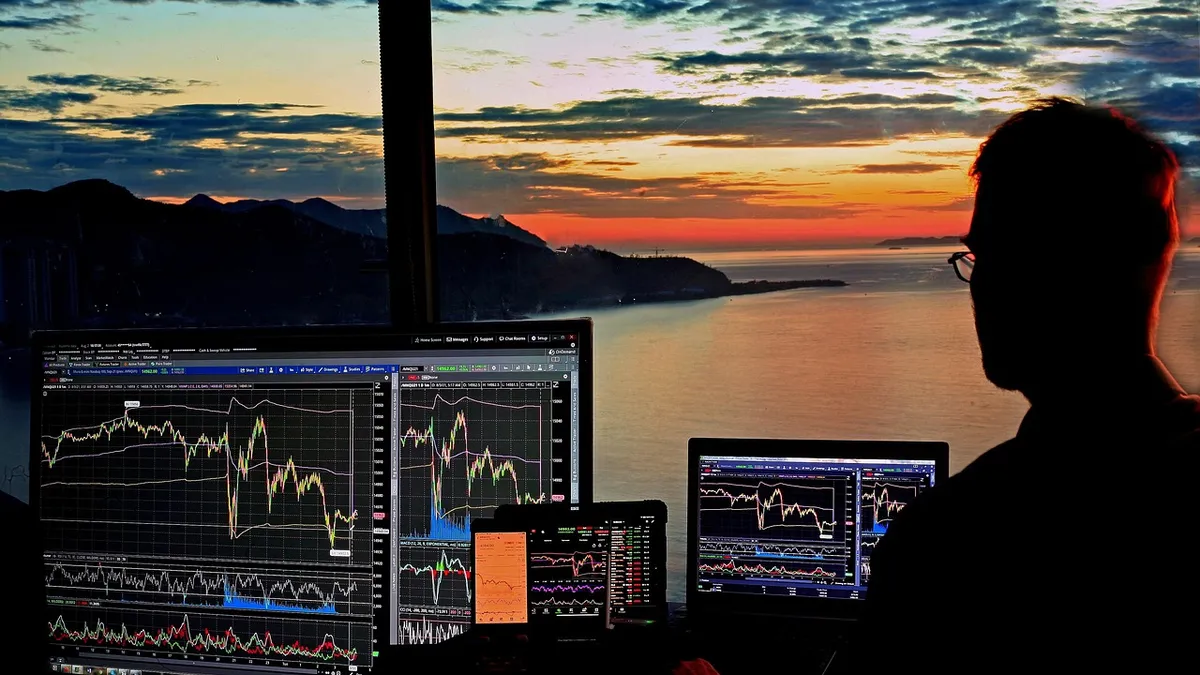
    There’s also a less-discussed mistake: following too many groups simultaneously. We has seen traders subscribed to six or seven signal channels at once, receiving conflicting alerts on the same instrument from different providers. When two signals contradict each other, the trader either freezes or picks the one that confirms what they already want to do. Neither is a trading strategy. One solid group, understood deeply, is worth more than seven mediocre ones followed passively.
    common mistakes following Telegram trading signals — Crazii JTVertex
    The three mistakes that turn valid trading signals into losing trades — and how to avoid them · Photo: sergeitokmakov / Pixabay

    How to Evaluate Any Trading Signals Group Before You Commit
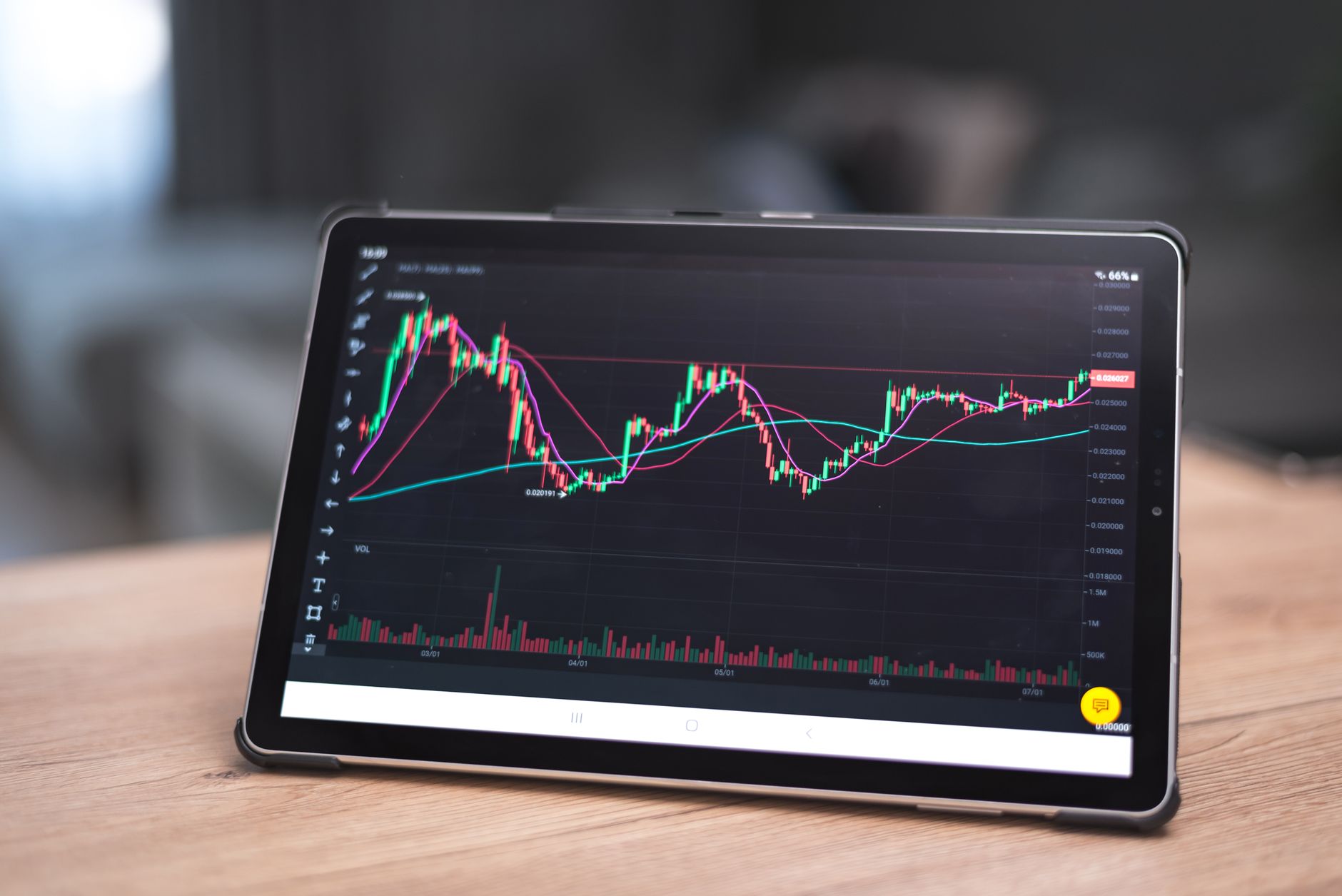
    How to Evaluate Any Trading Signals Group Before You Commit
    💡

    Key points: Before joining any Telegram trading signals group, verify four things: a documented trade history of at least 100 signals with full outcomes, a stated win rate with average risk-reward ratio, transparent stop-loss usage, and a moderator who responds to questions. If any of these are missing, the group is not ready for your capital.

    You’re reading this, and maybe you’re thinking: this all sounds reasonable, but how do I actually tell a good group from a bad one in practice? Fair question. Let’s make it concrete.
    1

    Request or find the full signal history

    Ask the admin for a log of the last 100 signals — entries, exits, and outcomes. Not a screenshot gallery of wins. A full log. If they can’t or won’t provide this, that tells you everything. Legitimate operations track their own performance because it’s how they improve.

    2

    Calculate the risk-reward ratio, not just the win rate

    A group can have a 40% win rate and still be profitable if each win returns three times the risk. Conversely, an 80% win rate can be a losing strategy if the losses are five times larger than the wins. Look at both numbers together. A win rate without a risk-reward ratio is a marketing stat, not a performance metric.

    3

    Check how the group handles losing streaks

    Every signals provider has losing streaks. The question is what they do during one. Do they go quiet? Double down with higher-risk signals? Or do they acknowledge the drawdown, explain what’s happening, and maintain consistent position sizing? Behaviour during a drawdown reveals more about a group’s integrity than any winning streak ever will.

    4

    Test with paper trades before real capital

    Spend two to four weeks following the signals on paper — recording every alert, simulating entries and exits at the stated levels, and tracking your hypothetical P&L. This costs nothing and teaches you whether the signals fit your schedule, your instruments, and your execution capability. It’s a step most traders skip because they’re impatient. Don’t be impatient with your own money.

    5

    Assess the community, not just the signals

    Scroll back through six months of group messages. Are members discussing trade logic? Asking questions and receiving thoughtful answers? Or is it a one-way broadcast with fire emojis and no discussion? The best groups function as communities of learning. The worst function as one-person broadcast channels with a mute audience.

    The evidence: ASIC Report 828 (January 2026) recorded 26,243 retail clients using copy trading services in FY2023–24 — a figure ASIC described as reflecting “a growing interest in copy trading.” That growth makes signal and copy-trade evaluation skills more important, not less, because the supply of providers is expanding faster than the average trader’s ability to filter them.

    Expert tip: Crazii JTVertex treats a maximum drawdown above 20% as a personal red flag in any signal provider’s history — not a hard rule, but a prompt to ask deeper questions. A 20% drawdown means a trader starting with $10,000 was at $8,000 at some point. That’s the kind of number that causes people to abandon their strategy at exactly the wrong moment. This is a personal heuristic, not a statistical threshold.
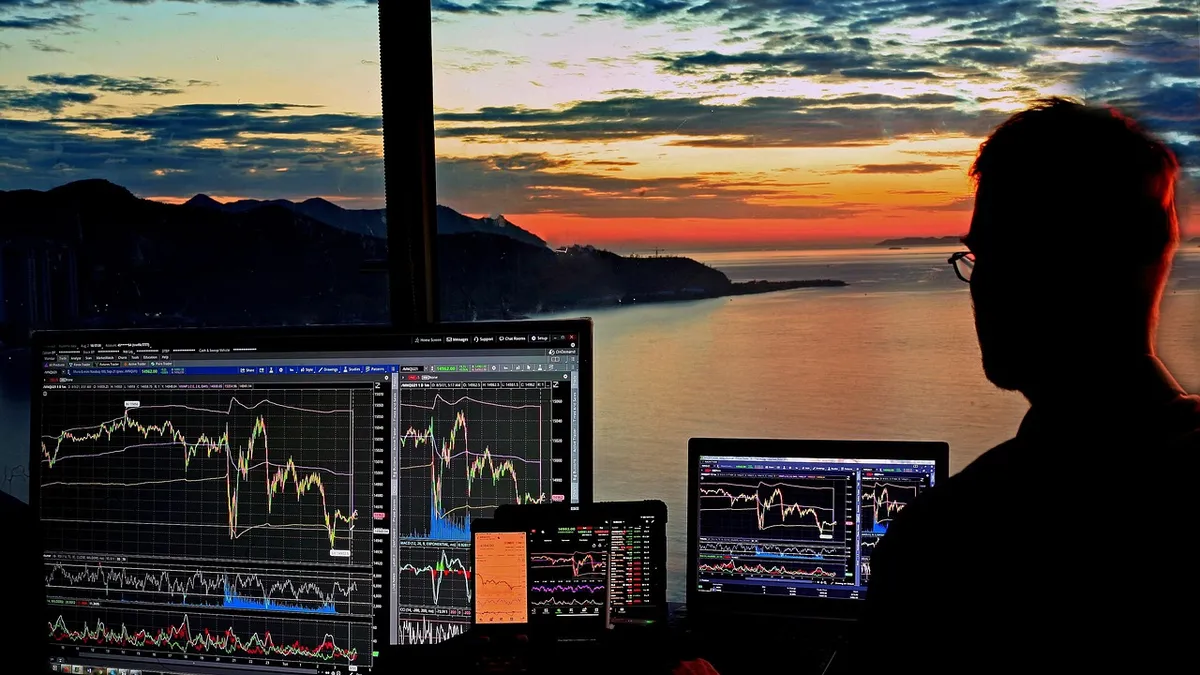
    For traders who want to understand how signals behave across different market conditions — not just in trending markets — the article on best trading signals to follow when markets are unpredictable covers the scenarios most signal providers conveniently avoid discussing. Marcus ran a two-week paper-trade test on the group he eventually committed to. He found that about a third of the signals fired outside his available hours — useful information that changed how he sized his participation. He didn’t try to catch every signal. He caught the ones that fit his life. That’s a sustainable approach.
    how to evaluate Telegram trading signal groups step by step — Crazii JTVertex
    A five-step evaluation process for assessing any Telegram trading signals group before committing real capital · Photo: sergeitokmakov / Pixabay

    Frequently Asked Questions About Telegram Trading Signal Groups
    Frequently Asked Questions About Telegram Trading Signal Groups
    💡

    Key points: The most common questions about Telegram trading signal groups centre on cost, reliability, legal status in Australia, how to avoid scams, and whether free groups can match paid ones. Short answers follow — with the honest caveats most providers leave out.

    Are free Telegram trading signal groups worth using?

    Some are, most aren’t. Free groups often exist to funnel you towards a paid product or a specific broker. That’s not automatically bad — but know the incentive. Evaluate a free group by the same criteria as a paid one: full trade history, stated risk-reward, and responsive moderation. If a free group passes those tests, the price is irrelevant.

    Is it legal to follow trading signals in Australia?

    Following trading signals is legal. Providing signals as financial advice without an Australian Financial Services Licence (AFSL) may not be. As a recipient, your responsibility is to understand that signals are general information, not personal financial advice. Always consider your own circumstances and risk tolerance before executing any trade. When in doubt, consult a licensed financial adviser.

    How do I spot a Telegram trading signal scam?

    Red flags include: no verifiable trade history, guaranteed profit claims, pressure to deposit with a specific broker immediately, and admins who disappear after losses. Legitimate groups acknowledge risk, show full performance records, and don’t promise outcomes. If the group sounds too good to be true at 11pm when you’re tired, it almost certainly is.

    How many Telegram signal groups should I follow at once?

    One to two, maximum. Following more creates conflicting signals, decision fatigue, and the illusion of diversification without the reality of it. Depth of understanding in one good group outperforms shallow participation in five average ones. Pick carefully, then commit to learning the group’s methodology rather than just copying its alerts.

    Can trading signals replace learning how to trade?

    No. Signals are a tool, not a substitute for understanding. A trader who only follows signals without learning the underlying logic is permanently dependent on someone else’s judgement — and has no framework for evaluating whether that judgement is sound. Use signals as a learning accelerant, not a shortcut around the learning itself.

    Note: This content is general information only and does not constitute personal financial advice. Trading CFDs, forex, and related instruments carries significant risk. According to ASIC Report 828 (January 2026), 68% of retail CFD clients in Australia lost money in FY2023–24. You should consider your own financial situation, objectives, and risk tolerance, and read all relevant disclosure documents before trading. If you need personalised advice, consult a licensed financial adviser.

    Ready to talk through your signals strategy?

    Get in touch with Crazii JTVertex directly — for guidance on which group type suits your schedule, your instruments, and your current level.

    Contact Crazii JTVertex


  • Best Trading Signals Group That Beats Noise and Delivers Edge

    Best Trading Signals Group That Beats Noise and Delivers Edge

    Finding the best trading signals group is often a hunt for clarity in a market defined by excessive noise and high risk. If you are tired of chasing fleeting trends that lead to nothing but account churn, Crazii JTVertex provides the professional framework needed to refine your approach. For a deeper look at how to navigate these waters, see our guide on the best trading signals for Australian traders 2026.

    Ready to trade with an edge?

    Access our professional-grade trading support and community resources today.

    Join Crazii JTVertex
    In this article

    Why do most traders fail when using signals?

    💡

    Key point: Most retail traders fail with signals because they treat them as a shortcut rather than a tool. ASIC data shows 68% of retail CFD clients lost money in FY2023–24, often due to high-frequency trading and excessive fees that erode capital before a strategy even gains traction.

    I remember sitting with a trader named Mark. He was convinced that a popular Telegram group held the keys to the market. He spent three months copying every entry. The result? A 40% drawdown. He thought he was following a professional, but he was actually just providing liquidity for the market. This scenario is common because traders often ignore the OECD guidelines on financial literacy, which emphasize that understanding market mechanisms is the only way to protect personal capital from predatory practices.

    The problem is rarely the signal itself. It is the lack of a personal risk management framework. ASIC Report 828 highlights that 19% of otherwise-profitable traders lost money simply by trading too often. When you rely on a group without understanding the underlying logic, you lose the ability to filter out the noise. Many beginners fail to realize that trading is a game of probability, not certainty. By blindly following a “guru,” you outsource your decision-making to someone who has no stake in your personal financial health. This detachment from the trade logic often leads to panic-selling during minor corrections, turning a temporary dip into a permanent loss.

    The science angle: The ASIC Report 828 (January 2026) confirms that 74% of new retail clients acquired via paid online advertising lost money. This suggests that marketing-heavy signal groups often target inexperienced traders who are the most vulnerable to high-risk product structures.

    Expert tip: I never take a signal unless I can identify the technical setup myself. If a signal tells me to buy EUR/USD but the RSI is already at 75, I ignore it. Your eyes are your best filter.

    best trading signals group analysis with Crazii JTVertex
    Analysing the best trading signals group data for better outcomes. · Photo: ricardorv30 / Pixabay

    How to find the best trading signals group for long-term growth?

    💡

    Key point: A credible group prioritises transparency and risk control over hype. Look for signals that provide specific entry, stop-loss, and take-profit levels. Avoid any group that promises guaranteed returns, as these are incompatible with the realities of the Australian financial markets.

    Need a reliable signal environment?

    Connect with our expert community to receive verified, high-probability market insights.

    Join the community

    Finding the Best Trading Signals Group Telegram Traders Trust in 2026 requires a shift in mindset. You are looking for a mentor, not a magic button. A high-quality group explains the “why” behind the trade, allowing you to learn rather than just copy. When evaluating a group, ask yourself: Do they provide a clear rationale for every entry? Are their past results audited? Do they emphasize capital preservation over aggressive growth? If the answer is no, you are likely dealing with a service that prioritizes subscription fees over your success.

    Furthermore, the best trading signals group will always encourage you to develop your own edge. They act as a sounding board rather than a dictator. In a volatile market, having a community that discusses the nuance of price action is far more valuable than a simple “Buy/Sell” notification. Look for groups that host regular webinars or Q&A sessions, as these are indicators of a commitment to education rather than just signal distribution.

    FeatureLow-Quality GroupProfessional Group
    FocusHigh-frequency gainsRisk-adjusted returns
    TransparencyHidden lossesOpen performance history
    CommunicationHype and emojisTechnical analysis logic
    Mistake 1
    Blindly following signals without a stop-loss. This is the fastest way to wipe out an account. Never enter a trade where the risk is undefined.

    What is the real cost of following bad signals?

    💡

    Key point: Beyond the initial loss, the true cost includes wasted time and psychological exhaustion. In FY2023–24, retail clients lost $458 million, with $73 million directly attributed to fees. Trading based on poor-quality signals often leads to over-trading, which only increases these fee-related losses.

    It is not just about the money. It is about the “opportunity cost” of your mental energy. When you follow a stream of bad signals, you stop thinking for yourself. You become a reactionary trader, constantly chasing the market instead of anticipating it. This cycle of emotional trading is often the primary driver of burnout. Many traders find that after six months of following low-quality signals, their confidence is shattered, and they abandon trading altogether, despite having the potential to succeed with a better process.

    Many traders assume that if a signal comes from a “pro,” it must be safe. But even the best signals can fail if your position sizing is wrong. If you are interested in avoiding these pitfalls, read our analysis on Is Top Trading Signals Legit or Just Another Empty Promise to understand how to vet your sources. Remember, a signal is merely a piece of information. Your ability to integrate that information into a coherent strategy is what determines your longevity in the market.

    The science angle: The MetaTrader platform hosts over 3,200 free and commercial signals. The sheer volume makes it nearly impossible to distinguish quality without a rigorous personal selection process and a clear understanding of your own risk tolerance.

    How does professional signal integration work?

    💡

    Key point: Professional integration involves using signals as a confirmation tool within your existing strategy. You should aim to use signals that align with your preferred timeframe and asset class, ensuring they complement your overall trading plan rather than dictating it.

    Optimise your trading strategy

    Get access to professional tools that help you filter market noise effectively.

    Start now

    Integration is a three-step process. First, define your baseline strategy. Second, use the signal as a secondary confirmation. Third, execute with strict risk management parameters. If the signal contradicts your technical analysis, you must have the discipline to walk away. This approach transforms you from a passive follower into an active manager of your own capital. By treating the signal as a data point rather than a command, you maintain control over your risk exposure at all times.

    1

    Define your baseline

    Know your support and resistance levels before looking at any external data.

    2

    Filter the signal

    Compare the signal’s entry point with your own technical indicators.

    Expert tip: I treat every signal like an opinion from a friend. I appreciate the input, but I make the final decision. This simple shift in perspective has saved me from more bad trades than I can count.

    Who should avoid using trading signals entirely?

    💡

    Key point: If you are unable to manage your emotions or have a limited capital base, signals may exacerbate your issues. Those who cannot afford to lose the capital allocated to trading should avoid high-risk CFD and margin FX products entirely, as evidenced by the high loss rates across the sector.

    Not everyone is built for active trading. If you find yourself checking your phone every five minutes, you are already losing. Trading should be a calculated, calm endeavour. If a signal makes you feel anxious, it is the wrong signal for you. Beginners often look for the Best Forex Signals Live Buy Sell That Reduce Costly Mistakes, hoping it will replace the need for education. That is a dangerous mindset. Education is your only real edge in this market.

    Are trading signals legal in Australia?

    Yes, but they are subject to strict regulations. Providers must be appropriately authorised to offer financial advice. Always check the provider’s credentials before engaging with any service.

    Can I get rich using signal groups?

    No. Trading is high-risk. Over 68% of retail clients lost money in the last financial year. Signals are tools, not a path to guaranteed wealth.

    How much capital do I need to start?

    There is no fixed amount, but you should only trade with money you can afford to lose. Start small and focus on risk management first.

    Why do some signals perform better than others?

    Better signals are usually backed by consistent technical analysis and strict risk management rules, rather than just market sentiment or hype.

    Should I use copy trading instead?

    Copy trading is an option, but it carries significant risks. ASIC notes that while interest is growing, performance is often concentrated among a few issuers. Research thoroughly.

    How do I verify a signal provider’s track record?

    Look for verified third-party logs, transparent risk-to-reward ratios, and a community that discusses the logic behind the trades rather than just the outcomes.

    Is it possible to trade part-time with signals?

    Yes, provided you have a clear plan and do not rely on the signal service for your entire strategy. It requires discipline to balance your daily life with market monitoring.

    Note: This content is general information only and does not constitute personal financial advice. Trading CFDs and margin FX is high-risk and may not be suitable for everyone. Please consider your own circumstances and read the relevant disclosure documents before making any decisions.

    Talk to our team

    Let us help you build a professional