The best trading signals app you choose right now will shape every trade you place this year — and most Australian traders are still getting this decision wrong. At Crazii JTVertex, we work directly with retail traders across Australia who come to us after months of chasing signals that looked brilliant on a backtest and fell apart the moment real money was on the line. This guide, published at Best Trading Signals Apps Australian Traders Are Using in 2026, will walk you through exactly what separates a signals app worth your time from one that quietly drains your account — so by the end you will know precisely which type of app fits your current stage, and which ones to leave alone.
Note: This content is general information only and does not constitute personal financial advice. Trading CFDs, forex and other leveraged products carries significant risk of loss. Please consider your own financial circumstances and read all relevant Product Disclosure Statements before acting on any information here. If in doubt, seek advice from a licensed financial adviser.
Not sure where to start with trading tools?
Crazii JTVertex has mapped out a full trading toolkit for the Australian market — from signals apps right through to execution platforms.
See the full toolkitTable of contents
- 01 What makes a trading signals app actually worth using in 2026?
- 02 Which trading signals apps are Australian traders using right now?
- 03 How do you evaluate a signals app before putting real money on it?
- 04 What are the most common mistakes traders make with signals apps?
- 05 How do trading signals apps fit into a broader Australian trading strategy?
- 06 Frequently asked questions about trading signals apps
What makes a trading signals app actually worth using in 2026?
Key points: A genuinely useful trading signals app delivers verifiable, real-time alerts with transparent performance history, clear risk parameters, and direct compatibility with your execution platform. Without those four things, you are paying for noise dressed up as intelligence.
The evidence: According to ASIC Report 828 (published January 2026, covering FY2023–24), 68% of retail CFD clients in Australia lost money — that is more than two in every three traders. The aggregate net loss across the sector reached $458 million in a single financial year. In plain terms: for every three people trading CFDs in Australia last year, two of them finished the year with less money than they started with. A signals app that does not actively help you manage downside risk is not a tool — it is a cost centre.
Expert tip: Crazii JTVertex has reviewed dozens of signals services over the years, and one pattern keeps appearing: providers who show equity curves almost always show them starting from their best period. Ask specifically for the drawdown report, not the profit chart. The drawdown tells you what the strategy felt like to live through — the profit chart only tells you where it ended up.
| Feature | Must-have | Nice-to-have | Red flag if missing |
|---|---|---|---|
| Real-time push alerts | Yes | — | Yes |
| Stop-loss on every signal | Yes | — | Yes |
| 100+ verified closed trades | Yes | — | Yes |
| MT4/MT5 integration | Yes | — | Depends on platform |
| Drawdown history visible | Yes | — | Yes |
| Economic calendar overlay | — | Yes | No |
| Mobile app (iOS + Android) | — | Yes | No |
Want a curated signals setup built for Australian market hours?
Crazii JTVertex works with traders to match signals tools to their platform, schedule, and risk appetite — not a generic list, a real fit.
Join the support groupWhich trading signals apps are Australian traders using right now?
Key points: Australian retail traders in 2026 are primarily using MetaTrader’s built-in Signals marketplace, dedicated Telegram-based signal channels, and copy-trading features embedded in their brokers’ platforms. Each has a different risk profile and suits a different stage of trading development.
The evidence: ASIC Report 828 (January 2026) recorded 26,243 retail clients using copy trading in FY2023–24, with interest described as “growing.” By contrast, only 121 clients used fully managed-account services — suggesting most Australians want to remain involved in their trading rather than handing it over entirely. Signals and copy trading sit in the middle: informed participation without full manual execution.
Expert tip: When Crazii JTVertex evaluates a Telegram signals channel, one of the first things checked is whether the provider posts losing trades with the same frequency as winning ones. Providers who only post screenshots of green trades and go quiet after a bad week are not running a signals service — they are running a highlight reel. Silence after a loss is the single most reliable warning sign in this space.
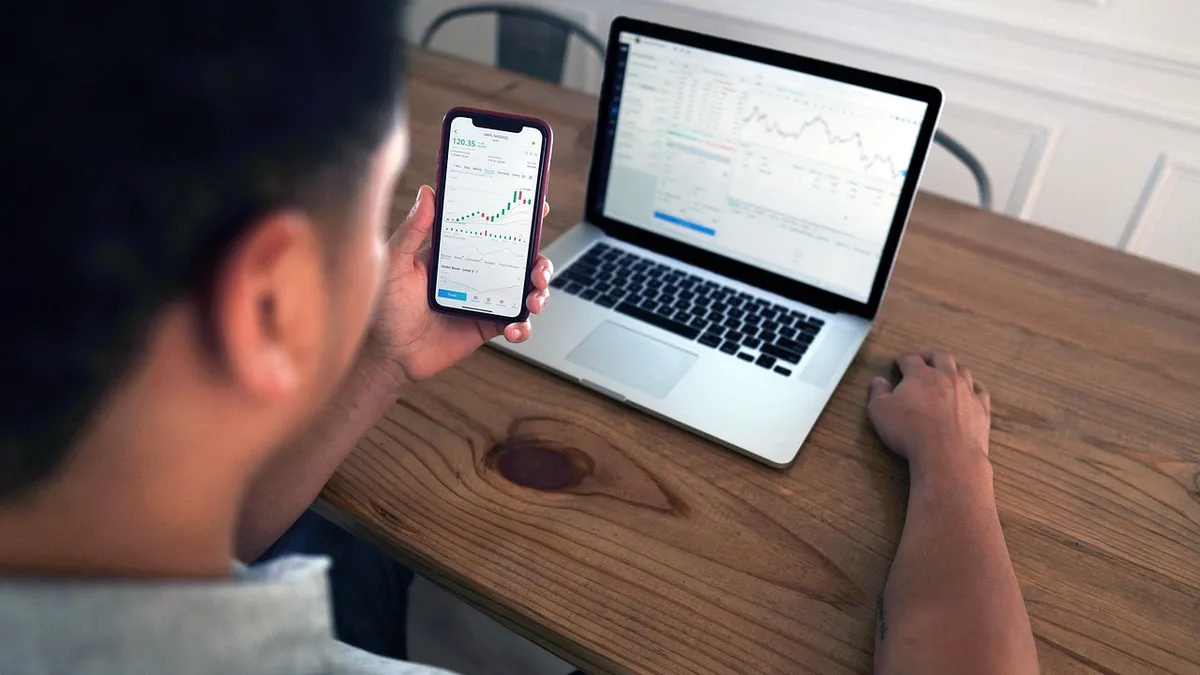
How do you evaluate a signals app before putting real money on it?
Key points: Evaluating a trading signals app before committing real capital requires checking five specific data points: verified trade count, maximum drawdown, win rate in context of risk-reward ratio, signal frequency relative to your schedule, and the provider’s transparency around losing periods.
Check the verified trade count first
On MT5 Signals, trade history is publicly auditable. On Telegram channels, ask for a link to a third-party tracker like Myfxbook or FX Blue. Crazii JTVertex’s personal threshold is one hundred closed trades minimum — below that, the sample is too small to draw any meaningful conclusion about edge. This is a heuristic, not a rule, but it is a useful filter.
Calculate the actual risk-reward ratio from the history
Take the average winning trade size and divide it by the average losing trade size. If wins average fifty pips and losses average one hundred pips, the provider needs to be right more than 67% of the time just to break even — before fees. Run this number yourself; do not rely on the provider’s summary statistics.
Find the maximum drawdown and translate it to dollar terms
A 20% maximum drawdown on a $5,000 account means your balance dropped to $4,000 at the worst point. Ask yourself honestly: if your account fell to that level over a two-week period, would you close the subscription in panic? If yes, that signals provider is not the right fit regardless of long-term performance. Drawdown tolerance is personal, and no signals app can fix a mismatch between its volatility and your psychology.
Check signal frequency against your actual availability
A signals app that fires alerts during the London session (roughly 5 pm to midnight AEST) is largely useless to a full-time worker in Sydney who cannot monitor positions after dinner. Match the signal timing to your life, not to an idealised version of your schedule.
Run it on a demo account for thirty days before going live
This is the step most traders skip because it feels slow. It is also the step that would have saved Jamie eight months of frustration. Thirty days on demo gives you a real sense of how the signals feel to follow in real time — the wait between signals, the moments of doubt when a trade goes against you before recovering, the emotional texture of the strategy. You cannot get that from a backtest.
The evidence: ASIC Report 828 (January 2026) found that among active traders placing fifty or more open positions per month, 19% of those who would otherwise have been profitable ended up losing money after fees. That is roughly one in five active traders flipped from profit to loss purely by trading too frequently. More signals, more trades, more fees — the relationship is not always in your favour.
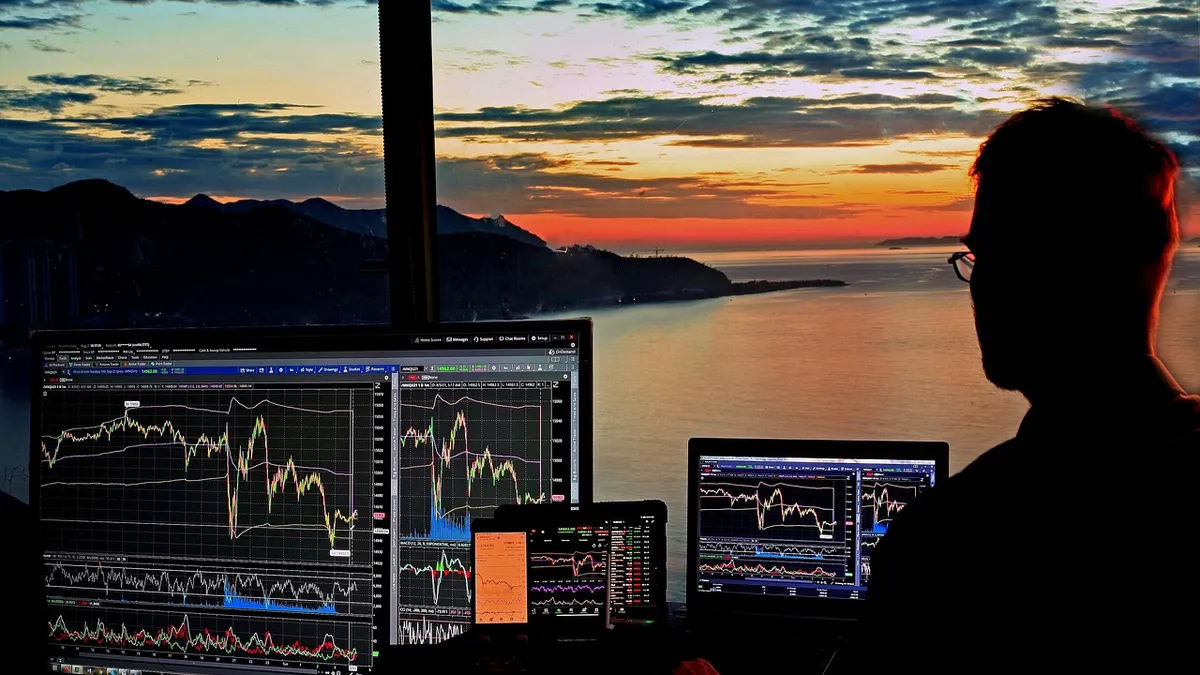
Ready to match signals to a platform that suits the Australian market?
Crazii JTVertex recommends AIMS for Australian traders looking for a regulated environment to test and run signals-based strategies.
Open an AIMS accountWhat are the most common mistakes traders make with signals apps?

Key points: The three most damaging mistakes Australian traders make with signals apps are: over-sizing positions relative to the signal provider’s account, ignoring fees as a component of net performance, and switching providers during a normal drawdown period rather than staying the course on a vetted strategy.
A signal provider running a $50,000 account who opens a 2-lot trade is risking a specific percentage of their capital. If you copy that same 2-lot trade on a $5,000 account, you are risking ten times the proportion of your capital on the same signal. This is the single most common way traders blow up while following a genuinely profitable signals provider. The signal was right. The sizing was catastrophic. Always calculate what percentage of your own account each trade represents — not what percentage of the provider’s account it represents.
ASIC Report 828 found that $73 million of the $458 million in net retail losses in FY2023–24 came directly from fees. To put that in perspective: 5% of retail clients would have made a net profit that year but ended up in a loss position purely because of fees. If you are running a signals strategy with high trade frequency, your spread costs and overnight financing charges compound quickly. A signals app that generates twenty trades a week on a tight-margin forex pair may look profitable in gross terms and be neutral or negative net of fees. Run the numbers with fees included before you evaluate any strategy.
This is the one almost nobody discusses openly. Every signals strategy — including genuinely profitable ones — goes through losing streaks. A strategy with a 20% historical maximum drawdown will, at some point, draw down close to 20% again. If you cancel your subscription at 15% down because it “feels broken,” you will miss the recovery. Crazii JTVertex has watched traders cycle through five or six different signals providers in a year, abandoning each one during a normal losing period, and finishing the year worse than if they had stayed with their first choice and managed position size properly. The switching itself is the problem.
The evidence: ASIC Report 828 (January 2026) shows that 74% of retail clients acquired through paid online advertising lost money in FY2023–24 — notably worse than the already-sobering 68% sector average. This suggests that traders who arrive via marketing tend to have less preparation, less evaluation rigour, and higher susceptibility to the mistakes above. The antidote is the evaluation process in section three, applied before any money moves.
Expert tip: Crazii JTVertex’s rule for drawdown: if a signals provider hits 50% of their historical maximum drawdown, that is a review point — time to re-examine whether the market conditions have structurally changed. If they hit 100% of historical maximum drawdown, that is a stop point. But anything below 50% of the historical worst? That is normal. Stay the course, keep position sizes conservative, and do not make permanent decisions based on temporary performance.
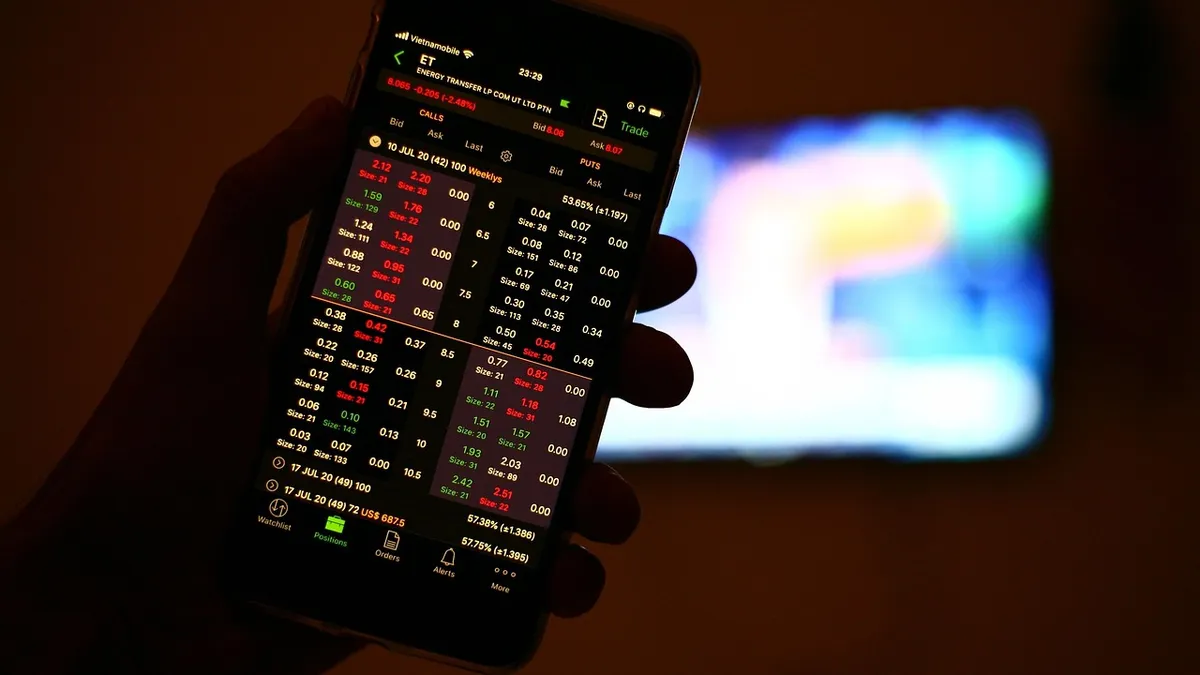
How do trading signals apps fit into a broader Australian trading strategy?
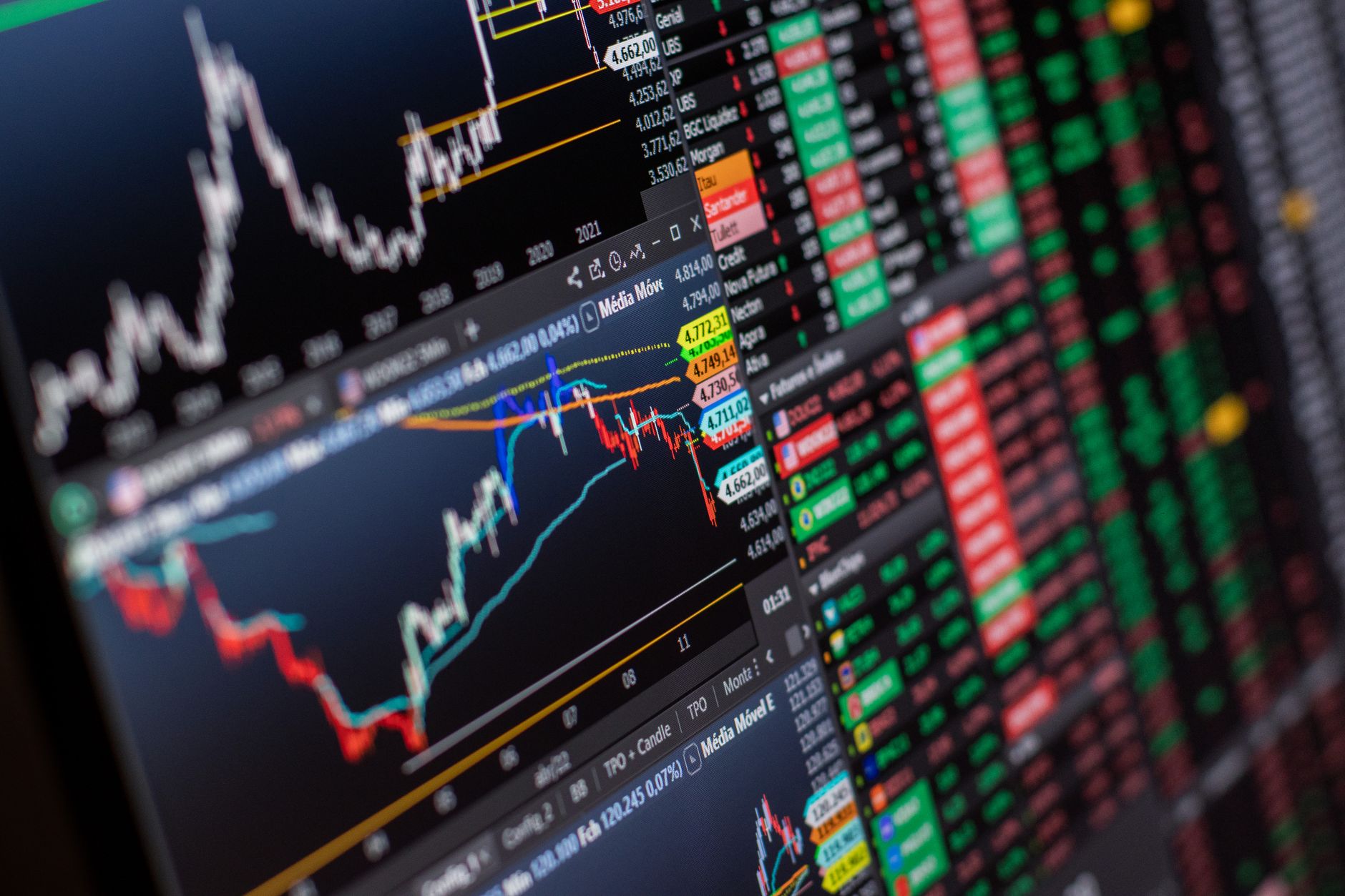
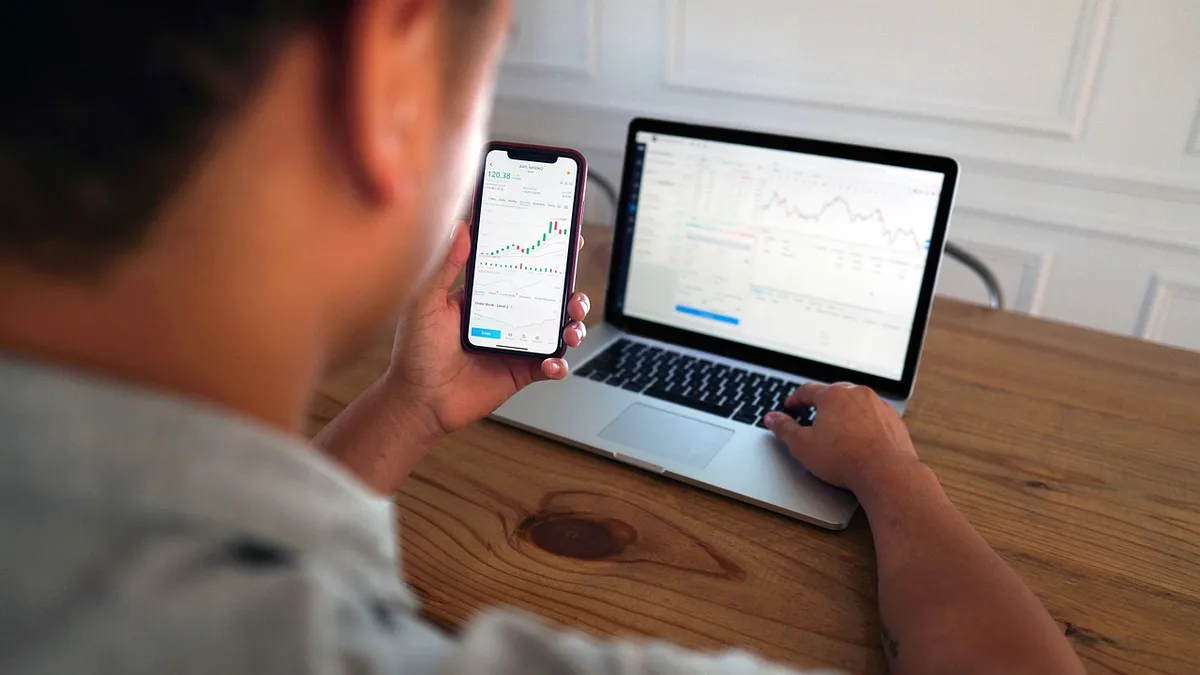
Key points: Trading signals apps are most effective as a first layer of market intelligence, not as a standalone decision engine. For Australian traders, the right sequence is: signals app for trade identification, execution platform for order management, and your own risk framework for position sizing. The tool is step one — not the whole system.
The evidence: ASIC Report 828 (January 2026) recorded 119,300 active CFD trading clients per quarter in FY2023–24. That is a market that has contracted significantly from its peak, which means the remaining participants are generally more experienced and more deliberate. Signals apps serving this market are, on average, more sophisticated than they were in the high-volume era — but the responsibility for applying them correctly still sits with you.
Expert tip: Crazii JTVertex recommends treating your first three months with any signals app as a calibration period, not a profit period. During calibration, the goal is to understand how the signals behave in live market conditions — how often they trigger, how long positions typically stay open, what the actual slippage looks like on your specific broker. Set position sizes at half your intended level during calibration. Once you have ninety days of live data, you have something real to optimise against.
Frequently asked questions about trading signals apps
Key points: The questions Australian traders ask most often about signals apps cluster around cost, reliability, regulation, and how to start safely. The answers below are direct and ASIC-aware — no hype, no guarantees.
Are trading signals apps legal to use in Australia?
Yes. Using a trading signals app to inform your own trading decisions is legal in Australia. If a signals provider is managing money on your behalf or providing personal financial advice, they require an Australian Financial Services Licence (AFSL). Signals delivered as general information — which most apps provide — do not require an AFSL, but you remain responsible for your own trading decisions.
Can a trading signals app guarantee profits?
No signals app can guarantee profits, and any provider claiming otherwise is making a statement that should immediately end your interest in their service. ASIC data shows 68% of retail CFD clients lost money in FY2023–24. Signals can improve your decision-making process, but they cannot eliminate market risk.
How much does a quality trading signals app cost?
Costs range from free (MetaTrader’s built-in signals marketplace has free providers) to several hundred Australian dollars per month for premium services. Free does not mean low quality, and expensive does not mean reliable. Evaluate on verified performance data, not on price.
What is the difference between a signals app and copy trading?
A signals app sends you an alert that you then act on manually — you decide whether to place the trade, at what size, and when. Copy trading replicates a provider’s trades automatically in your account. Signals give you more control; copy trading gives you more automation. Both carry risk, and both require you to set appropriate position sizes for your own account.
Which trading signals app is best for beginners in Australia?
For beginners, the MetaTrader Signals marketplace is a practical starting point because the performance data is independently verified and the integration with MT4/MT5 is straightforward. Start with a demo account, choose a provider with at least one hundred verified closed trades and a maximum drawdown you can stomach, and run it for thirty days before going live with real capital.
Want a direct conversation about which signals setup suits your situation?
Crazii JTVertex offers direct support for Australian traders working through their first signals setup — no sales pitch, just practical guidance.
Get in touchNote: Trading CFDs, forex, and other leveraged products involves significant risk and is not suitable for all investors. The information in this article is general in nature and does not take into account your personal financial situation, needs, or objectives. Past performance of any signals provider is not a reliable indicator of future results. Always read the Product Disclosure Statement and consider seeking independent financial advice before making any trading decisions.