Category: Gold and Forex Trading Signals

  • Gold Trading Signals Strategy That Survived 3 Rate Hike Cycles

    Gold Trading Signals Strategy That Survived 3 Rate Hike Cycles

    A gold trading signals strategy that actually holds up across rate hike cycles is rarer than most traders realise — and the difference between one that survives and one that collapses under pressure often comes down to three overlooked decisions made before a single trade is placed. Drawing on years of live-market experience through multiple RBA and Fed tightening phases, Crazii JTVertex has stress-tested signal frameworks so you don’t have to learn these lessons the expensive way. In this guide on the gold trading signals strategy that survived 3 rate hike cycles, you’ll walk away with a repeatable framework — including a practical checklist — that you can apply to your next XAUUSD trade before the week is out.

    Note: This content is general information only and does not constitute personal financial advice. Trading CFDs and margin FX products carries significant risk — ASIC data shows 68% of Australian retail CFD clients lost money in FY2023–24. Consider your own circumstances and read all relevant disclosure documents before trading.

    🛠️ Tools That Work Alongside This Strategy

    Signals Platform

    Crazii Signal Access

    Tired of chasing signals that vanish the moment volatility spikes? Get structured gold signals built for Australian market hours.

    Access Crazii Signals
    Trading Platform

    AIMS Trading Account

    A signal without a reliable execution environment is just a suggestion. Open your account and put the strategy to work.

    Open AIMS Account

    Ready to Trade Gold With a Strategy That’s Been Through the Fire

    Join traders who are using structured signal frameworks — not guesswork — to navigate XAUUSD through high-volatility environments.

    Start With Crazii
    Table of contents

    Why Does a Gold Trading Signals Strategy Break Down During Rate Hikes?

    Why Does a Gold Trading Signals Strategy Break Down During Rate Hikes?
    💡

    Key points: Most gold trading signal strategies fail during rate hike cycles because they were calibrated on low-volatility, low-rate data. When central banks tighten, XAUUSD correlation patterns shift — and signals built for trending conditions start generating false entries in choppy, mean-reverting price action.

    Here’s the uncomfortable truth most signal providers won’t tell you. The majority of gold trading signals you’ll find online were backtested in the 2012–2021 era — a decade defined by near-zero interest rates, predictable Fed language, and gold behaving like a simple inverse-USD trade. That environment is gone. And the strategies that thrived in it have been quietly bleeding accounts since 2022. When a rate hike cycle begins, three things happen to XAUUSD simultaneously. First, the US dollar strengthens, which mechanically pressures gold prices. Second, real yields rise — and gold, which pays no yield, becomes comparatively less attractive to institutional allocators. Third, and this is the part nobody talks about: volatility character changes. Gold stops trending cleanly and starts whipsawing inside a 20–40 dollar range for days at a time, triggering stop-losses on signals that would have worked perfectly in the previous regime. Think of it like this: a signal system calibrated on 2019 data is like a weather forecast model trained only on summer. It will confidently predict sunshine — right up until the first storm hits.

    The evidence: ASIC’s Report 828 (January 2026) found that 68% of Australian retail CFD clients lost money in FY2023–24, with net losses exceeding $458 million. This covers the period when the RBA was actively hiking rates. Among active traders placing 50 or more open positions per month, 19% of those who would otherwise have been profitable were pushed into a net loss purely by fees — meaning more trading during volatile rate-hike conditions made outcomes materially worse, not better. Source: ASIC, Report 828, 20 January 2026.

    Consider Jamie, a 34-year-old project manager from Brisbane who started trading XAUUSD in late 2021. He had a signal service that looked brilliant on paper — consistent entries, clean risk ratios. Then 2022 arrived. The RBA began hiking. His signals kept firing long entries during what turned out to be sustained USD strength phases. He wasn’t doing anything wrong in execution. The strategy itself had simply never encountered this environment. That’s the real problem. Not the trader. The framework.

    Expert tip: Crazii JTVertex learned this directly: during the first month of the 2022 Fed hiking cycle, every signal generated by a momentum-based system misfired on XAUUSD because momentum thresholds calibrated on 2020–2021 data were set too sensitive. The fix wasn’t to stop trading — it was to widen the confirmation window from 4-hour closes to daily closes before acting. That one adjustment alone changed the character of entries completely.
    The mechanism is straightforward once you see it. Rate hike cycles compress the “signal-to-noise ratio” in gold price action. Entries that would have run 80–100 pips in a low-rate trend environment now reverse after 25–30 pips, hitting stops before the move resumes. The signal isn’t wrong about direction. It’s wrong about timing and magnitude. This is why a rate-cycle-tested gold signals strategy doesn’t just look at entry conditions. It looks at regime conditions first. For a broader look at how signal tools fit into a complete trading approach for Australian traders, the guide on best trading signals and tools for Australian traders 2026 covers the full landscape worth understanding before committing to any single framework.
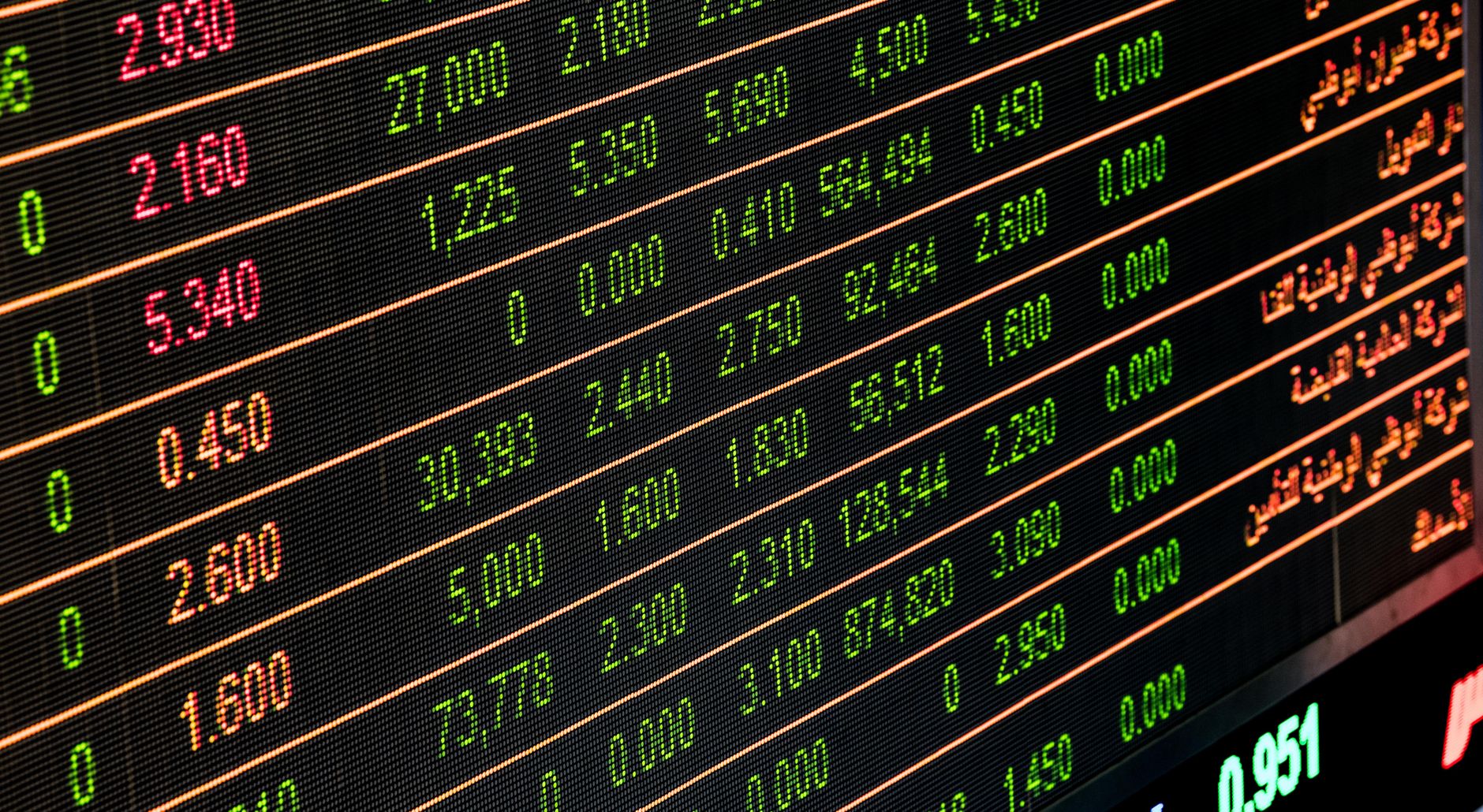
    gold trading signals strategy breaking down during rate hike cycles XAUUSD Crazii JTVertex
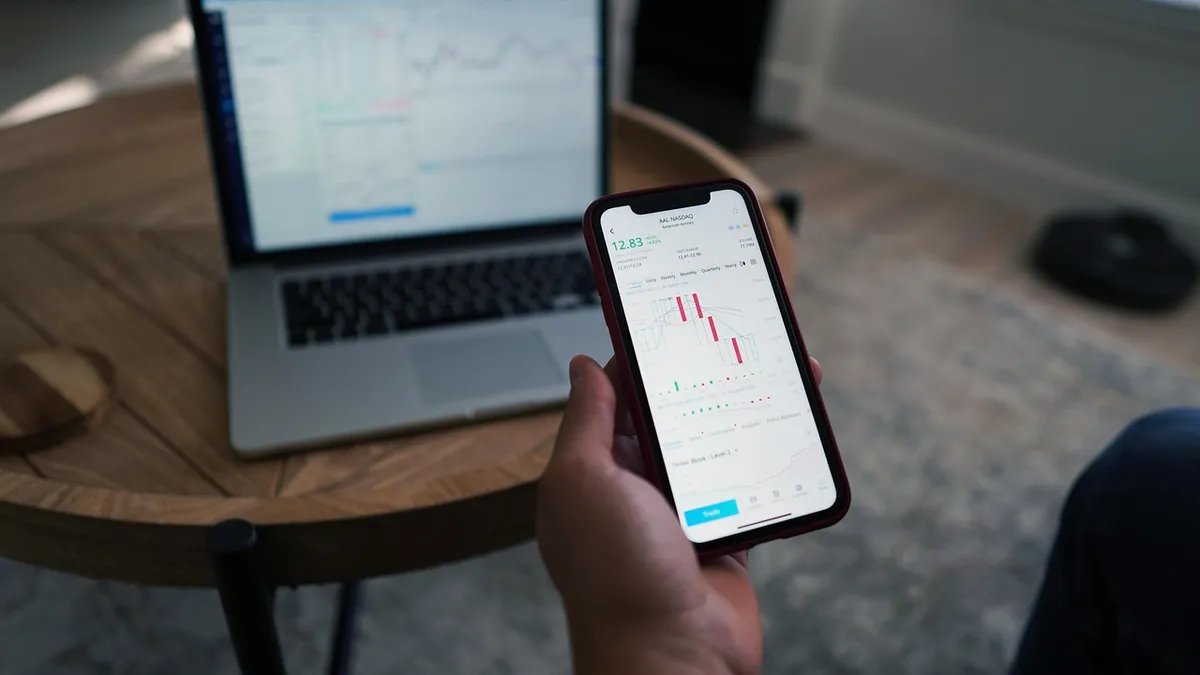
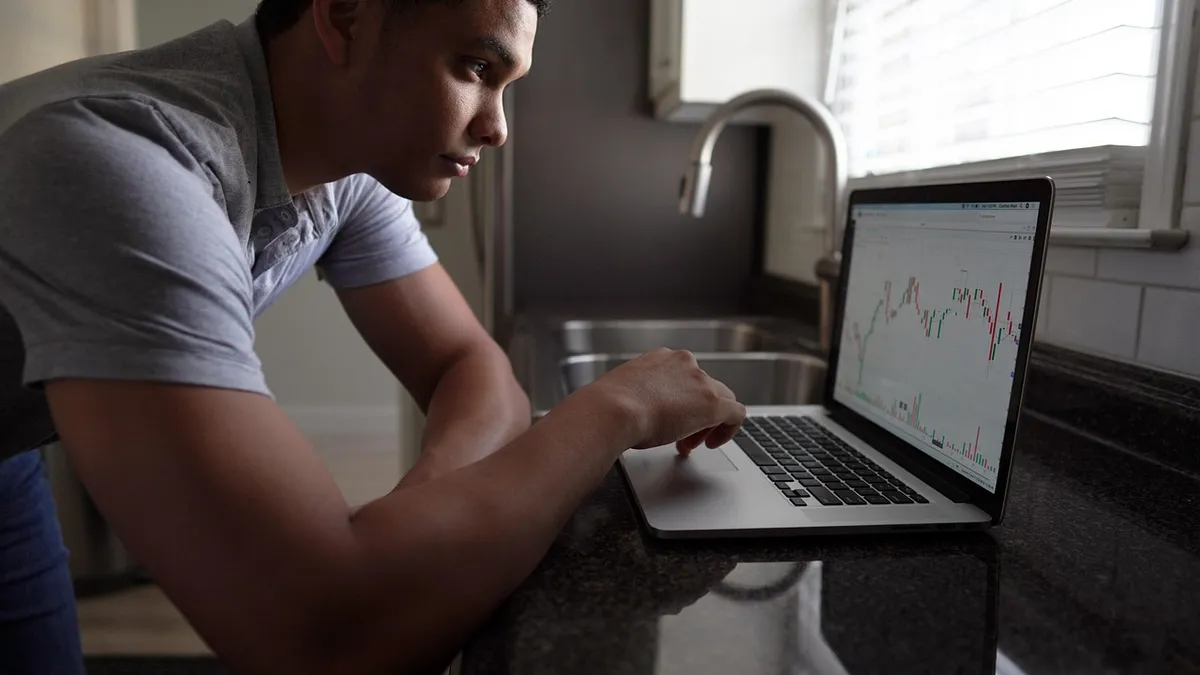
    How XAUUSD signal reliability shifts when rate hike cycles change market regime — Crazii JTVertex analysis · Photo: sergeitokmakov / Pixabay

    What Does a Rate-Cycle-Tested Gold Signal Framework Actually Look Like?

    What Does a Rate-Cycle-Tested Gold Signal Framework Actually Look Like?
    💡

    Key points: A rate-cycle-tested XAUUSD signal framework operates on three layers: a macro regime filter that identifies whether gold is in a risk-on, risk-off, or rate-driven environment; a technical entry layer using confirmed structure; and a position-sizing rule that adjusts for elevated volatility conditions rather than applying fixed lot sizes.

    So what does a framework that actually survived three tightening cycles look like in practice? It starts with a question most retail traders never ask: what is gold doing right now, and why? Not the entry signal. The regime. The first layer is the macro regime filter. Before any signal is considered, the framework checks three conditions: the direction of real US Treasury yields (specifically the 10-year TIPS yield), the DXY trend on the weekly chart, and whether the current rate hike cycle is in an early, mid, or late phase. Early hike phases tend to be the most brutal for gold longs. Late phases — where markets begin pricing in a pivot — are often where gold’s strongest recoveries begin. Knowing which phase you’re in changes everything about how aggressively you act on a signal. The second layer is technical entry confirmation. This is where RSI (with standard thresholds of 30 for oversold and 70 for overbought) meets structure. Specifically, the framework uses daily candlestick closes above or below a key structural level as confirmation — not intrabar touches. An RSI reading of 28 on a 4-hour chart means nothing if the daily candle hasn’t confirmed the reversal. This single rule eliminates the majority of false entries during choppy rate-hike conditions.

    The evidence: ASIC Report 828 notes that 26,243 Australian retail clients used copy trading in FY2023–24, with MetaTrader hosting over 3,200 signals on its marketplace. Yet the same report shows that the majority of retail clients still lost money — confirming that access to signals alone, without a structured framework for applying them, does not improve outcomes. Source: ASIC, Report 828, 20 January 2026; MetaQuotes, MetaTrader 5 Signals, accessed 16 June 2026.

    The third layer — and the one most traders skip entirely — is dynamic position sizing. During rate hike cycles, XAUUSD average daily ranges can expand significantly compared to low-volatility periods. Applying the same lot size you used in 2020 to a 2023 market is how accounts get damaged in a single session. The framework adjusts position size based on the current average true range relative to a 90-day baseline. When ATR is elevated, size goes down. The result per trade in dollar terms stays roughly consistent even as market conditions shift.

    Expert tip: We discovered this the hard way: in mid-2022, we was running standard 0.10 lot sizes on XAUUSD signals that had worked fine for months. When the Fed accelerated hikes in June 2022, the daily range on gold nearly doubled overnight. The same signal, same lot size, same stop-loss distance — but the stop was now being hit before the trade had any room to breathe. Cutting position size by roughly a third during high-ATR periods was the adjustment that kept the framework functional through that stretch.
    Jamie — the Brisbane trader from earlier — eventually rebuilt his approach using exactly this three-layer structure. He stopped acting on every signal and started filtering first by regime, then by daily structure confirmation, then by adjusting size to match current volatility. The change wasn’t dramatic on any single trade. Over a quarter, though, the difference in drawdown was substantial. For traders wanting to understand the foundational mechanics before applying any signal framework, gold trading signals explained for traders watching XAUUSD daily provides the conceptual grounding this framework builds on.
    rate-cycle-tested XAUUSD signal framework three layers macro technical position sizing Crazii JTVertex
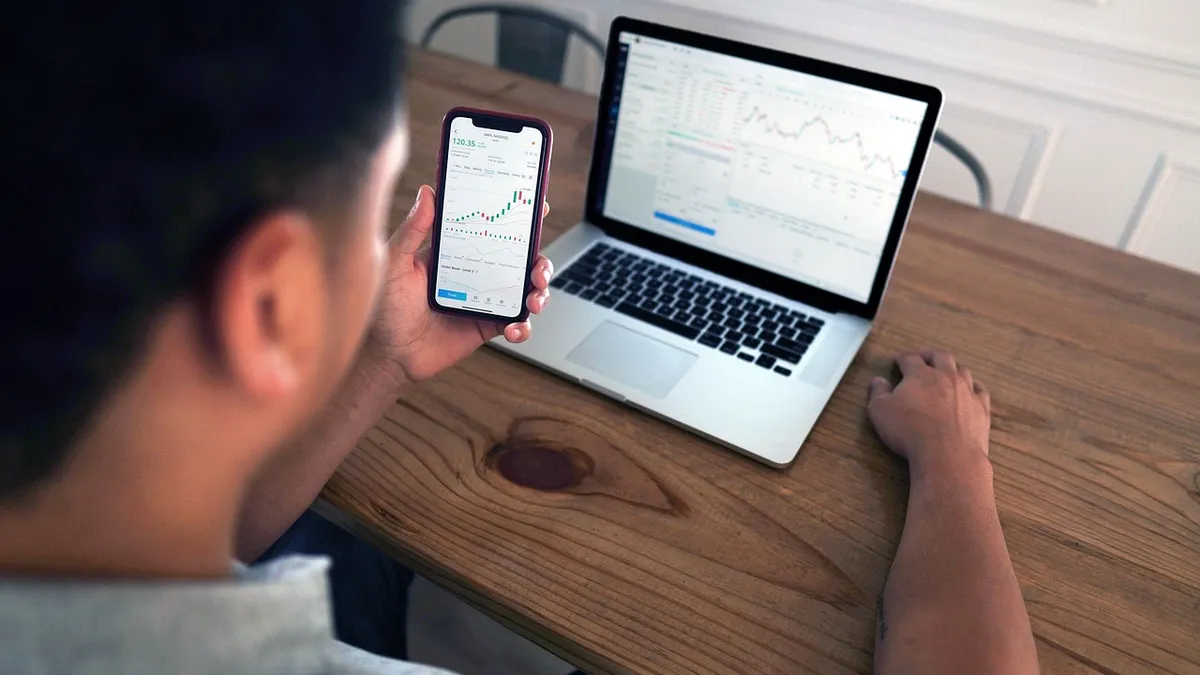
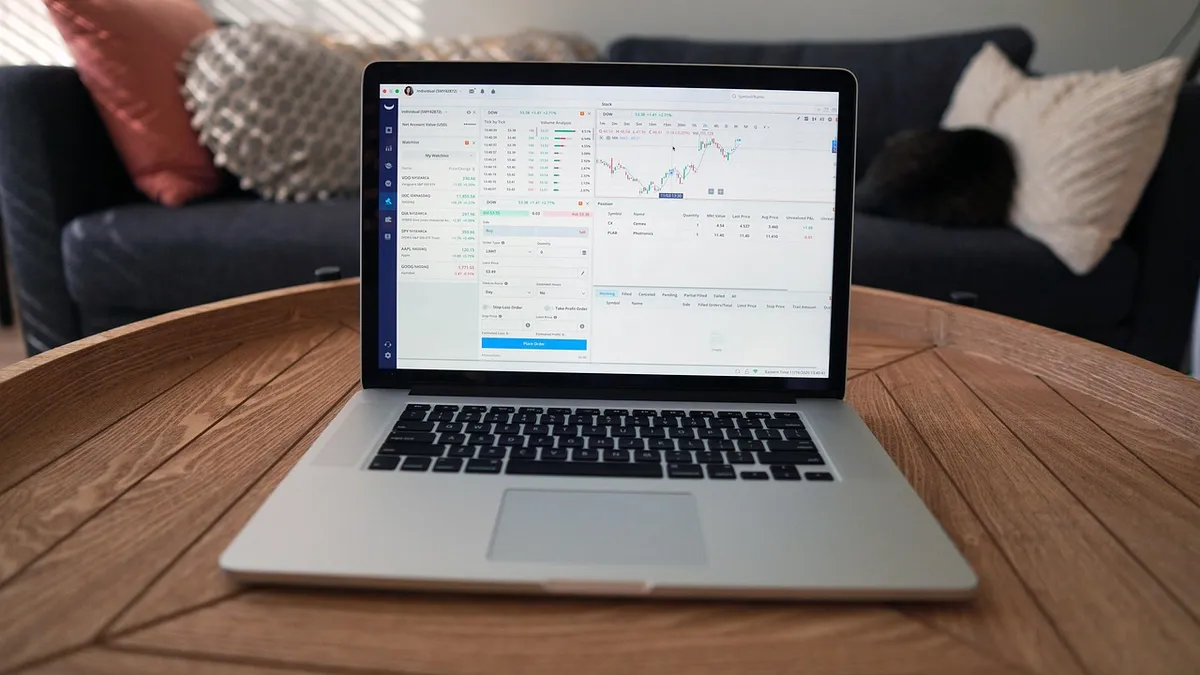
    Three-layer gold signal framework structure used by Crazii JTVertex across multiple rate hike environments · Photo: TheInvestorPost / Pixabay

    Get the Signal Framework Working For You — Not Against You

    Crazii JTVertex provides structured gold signals designed around regime awareness, not just technical entries. Join the community and see how the framework applies in live conditions.

    Join the Group

    How Do You Filter Gold Signals to Avoid the Traps Most Traders Fall Into?

    How Do You Filter Gold Signals to Avoid the Traps Most Traders Fall Into?
    💡

    Key points: Filtering gold trading signals effectively means applying a minimum track record threshold, checking signal performance specifically during high-volatility periods rather than overall averages, and avoiding signals from providers who show fewer than 100 completed trades in their history — as small sample sizes hide true drawdown characteristics.

    You’ve found a gold signal provider. The stats look solid. But here’s the question that actually matters: did those results include any rate hike months? This is the filter most traders never apply. They look at overall win rate, overall profit factor, overall drawdown. What they don’t check is whether the signal performed during the specific market conditions that are most likely to occur again. The practical filtering checklist works like this. First, any signal provider with fewer than 100 completed trades should be treated as unproven — this is a personal heuristic, not a statistical rule, but it reflects the reality that small sample sizes can make genuinely poor systems look excellent by chance. Second, look at the monthly breakdown. Find the months that coincided with known rate decisions — RBA announcement months, FOMC meetings, CPI release weeks — and see what happened to the signal’s performance during those specific periods. A signal that shows consistent returns in calm months but catastrophic drawdowns around macro events is not a rate-cycle strategy. It’s a fair-weather one. Third: fees. This point deserves its own paragraph. ASIC’s Report 828 found that 5% of Australian retail CFD clients would have made a net profit but ended up in a loss solely because of fees. That’s one in twenty traders who were actually right about the market but still lost money. Among active traders with 50 or more open positions per month, 19% of those who would otherwise have been profitable were pushed into a loss by fees alone. Tighter spreads and lower commission structures are not a minor consideration — they are a structural edge.

    The evidence: Of the $458 million in net losses recorded by Australian retail CFD clients in FY2023–24, $73 million was attributable to fees. That’s roughly one dollar in every six lost being a fee rather than a market loss. Source: ASIC, Report 828, 20 January 2026.

    In practical terms: $73 million in fees across 133,674 losing clients averages to roughly $546 per losing client per year going purely to fees before any market losses are counted. That’s money leaving accounts before a single trade goes wrong.

    Expert tip: Crazii JTVertex applies one filter that almost nobody else mentions: we look at whether a signal provider’s drawdown periods align with known macro events or appear random. Random drawdowns suggest system noise. Drawdowns that cluster around rate decisions suggest the system has a specific vulnerability — one that can potentially be managed by simply not trading during those windows. That’s a workable flaw. Random drawdowns are not.
    There’s also the question of signal frequency. More signals do not mean more opportunity. ASIC’s data shows that more active traders — those with 50 or more open positions per month — faced worse net outcomes than less active ones when fees were factored in. The framework Crazii JTVertex uses deliberately reduces signal frequency during high-ATR, high-uncertainty periods. Fewer trades. Cleaner entries. Better outcomes per trade placed. For traders wanting to understand XAUUSD mechanics before applying any signal filter, what is XAUUSD trading and why Forex traders love gold covers the foundational context that makes these filters make sense.
    filtering XAUUSD gold signals by track record and macro event performance Crazii JTVertex
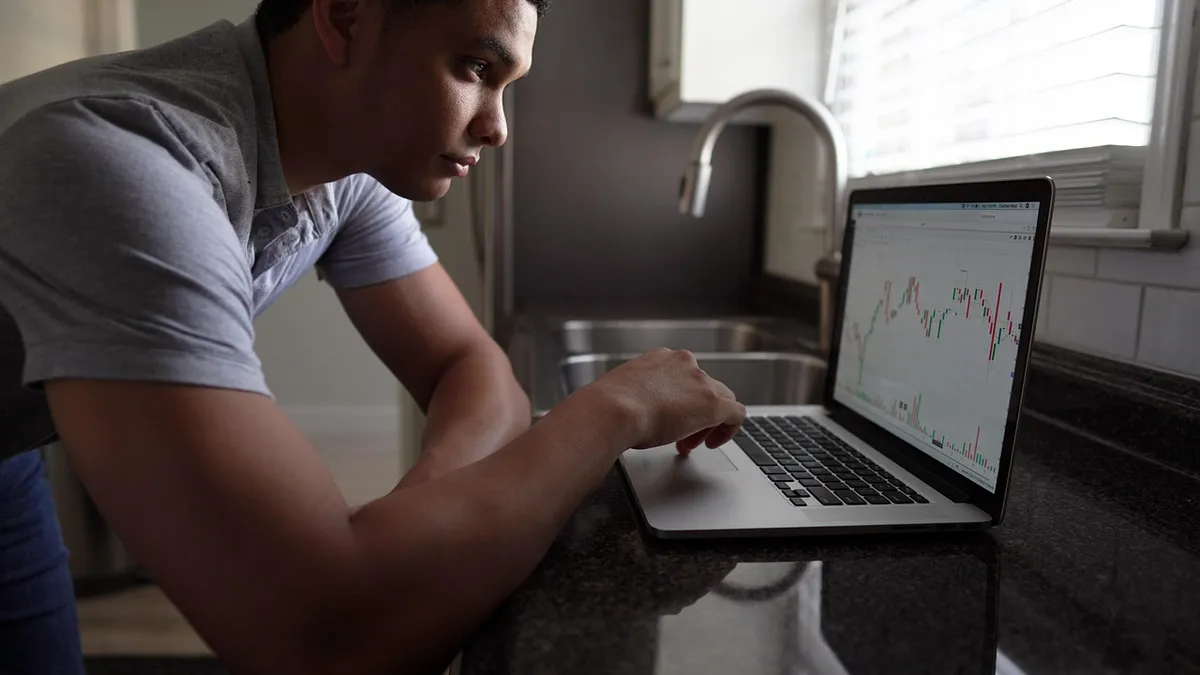
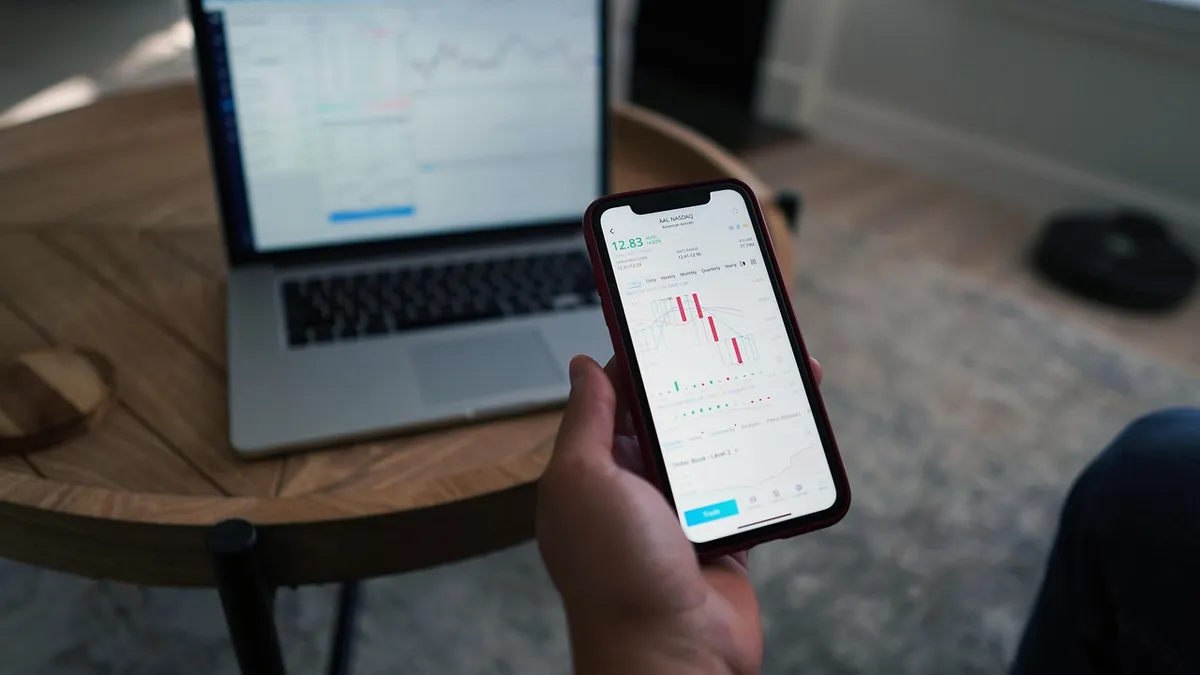
    Practical signal filtering approach for XAUUSD — checking performance during rate decision periods, not just overall averages · Photo: TheInvestorPost / Pixabay

    See How Structured Gold Signals Perform in Real Conditions

    The Crazii signal framework applies these exact filters before any trade is shared. No guesswork. No fair-weather stats.

    View Crazii Signals

    Which Common Mistakes Destroy a Gold Trading Signals Strategy Under Pressure?

    Which Common Mistakes Destroy a Gold Trading Signals Strategy Under Pressure?
    💡

    Key points: The three most destructive mistakes in a gold signals strategy during rate hike cycles are: treating every signal as equal regardless of market regime, using fixed position sizes when volatility has expanded, and overtrading to recover losses — which compounds fee drag and worsens net outcomes according to ASIC data.

    At 11pm on a Tuesday, Jamie was staring at a XAUUSD chart that had just moved 90 pips against him in 40 minutes. His signal said buy. He bought. The position was now deep in the red. And the thought running through his head wasn’t “what went wrong with the signal” — it was “how do I get this back.” That’s the moment most strategies collapse. Not the bad entry. What comes after it.
    Mistake 1
    Treating every signal as equal regardless of regime

    A buy signal on XAUUSD during an early rate hike phase carries fundamentally different risk characteristics than the same signal in a late-cycle pivot environment. Applying the same position size and confidence level to both is how a single bad month wipes out a good quarter. The framework assigns a regime score before any signal is acted on — and during early hike phases, signal confidence is reduced by default.

    Mistake 2
    Using fixed lot sizes when market volatility has expanded

    This is the most common technical error we sees among traders who have otherwise solid signal frameworks. When XAUUSD’s average daily range expands during a rate shock, a fixed stop-loss distance that worked in calm conditions now gets hit before the trade has any room to develop. The fix is straightforward: scale position size inversely with ATR expansion. If volatility doubles relative to the 90-day baseline, halve the position size. The dollar risk per trade stays consistent. The account survives.

    Mistake 3
    Overtrading to recover losses — the fee compounding trap

    ASIC data is unambiguous here: among retail clients who traded most actively (50+ open positions per month), 19% of those who would otherwise have been profitable were pushed into a loss by fees. More trades during a losing streak doesn’t recover losses — it accelerates them through fee drag. The correct response to a losing signal run during a rate hike period is to reduce frequency, not increase it. We has a personal rule: after three consecutive signal losses in a week, no new trades until the next session’s regime check is complete.
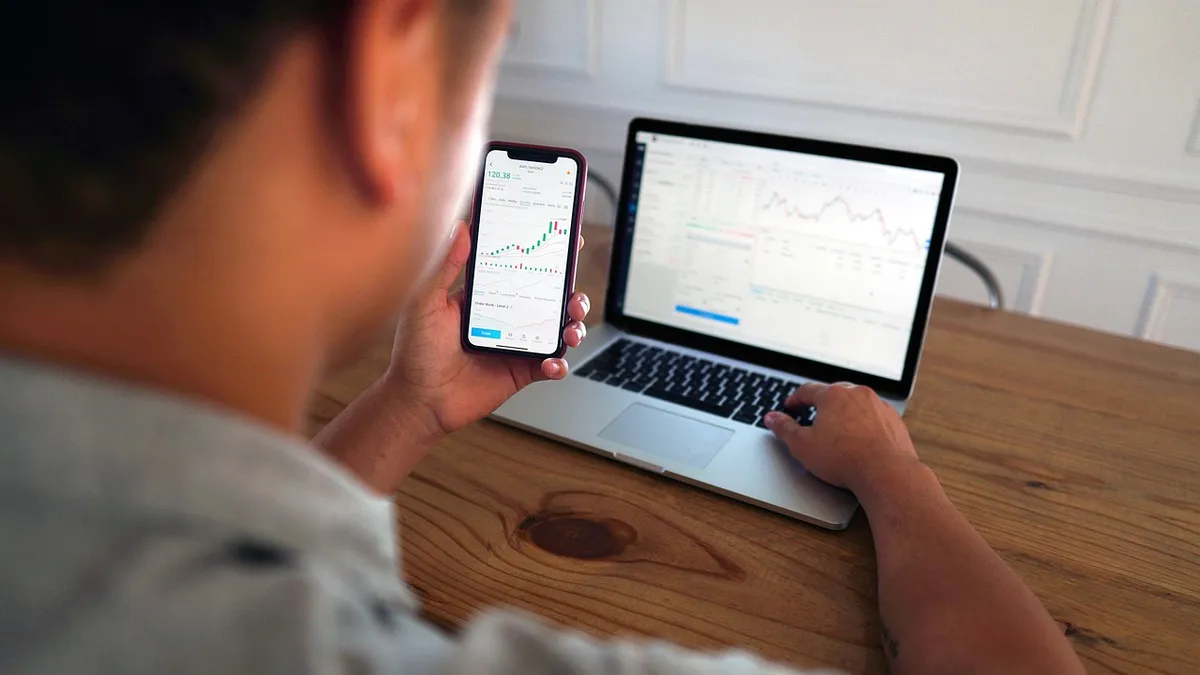
    Here’s the thing about these three mistakes: they’re not about intelligence. Jamie is sharp. He understood the technical setup. What he didn’t have was a written rule that told him what to do when the market stopped cooperating. A framework without explicit rules for adverse conditions is just a strategy for when things go well. The loss aversion reality is this: every week you trade without a regime filter and dynamic sizing rule, you’re not just risking a bad trade. You’re risking the kind of drawdown that makes you question the whole approach — and potentially exit at exactly the wrong time. But there’s a clear path forward. And it starts with the next section.
    common mistakes gold signal strategy overtrading fee drag rate hike environment Crazii JTVertex
    Three critical errors that compound losses in XAUUSD signal trading during tightening cycles — Crazii JTVertex framework · Photo: TheInvestorPost / Pixabay

    Is This Gold Signal Strategy Right for You — or Should You Wait?
    Is This Gold Signal Strategy Right for You — or Should You Wait?
    💡

    Key points: This gold trading signals strategy suits Australian traders who already understand basic XAUUSD mechanics, have a live or demo account ready, and can commit to checking macro regime conditions before acting on entries. It is not suited to traders who want fully automated, zero-input signal following — regime filtering requires a human decision at each step.

    Let’s be direct about who this is and isn’t for. Because a strategy that’s right for the wrong person does more damage than no strategy at all. This framework suits you if you’re an Australian trader who has already spent time understanding how XAUUSD moves — not just technically, but in relation to macro events. If you’ve read through resources like how to trade XAUUSD without blowing your account early and you understand concepts like real yields, DXY correlation, and the difference between a trending and mean-reverting market, you’re in the right place. It also suits you if you’re willing to treat signals as inputs to a decision, not as automatic orders. The regime filter requires a 10-minute check before each trade session. That’s not a burden — it’s the difference between a strategy and a slot machine. Who should wait? Traders who are brand new to CFDs and haven’t yet traded XAUUSD on a demo account. Traders who are looking for a fully passive, copy-trade-and-forget solution. And traders who are in a financial position where any loss would cause genuine hardship — because CFD trading is high-risk, and even a well-structured framework will have losing periods. Imagine waking up on a Thursday morning, having done your 10-minute regime check the night before. You see a signal has fired on XAUUSD that aligns with both the macro filter (late-cycle, real yields plateauing) and the daily structure confirmation. You place the trade at a position size calibrated to current ATR. Then you go to work. The trade runs. By the time you check at lunch, it’s closed at target. That’s not fantasy — that’s what the framework is designed to produce, consistently, over time.

    Expert tip: Crazii JTVertex’s personal benchmark for evaluating whether a gold signal framework is worth continuing: track the ratio of signals acted on versus signals generated. If you’re acting on more than 60% of signals during a rate hike month, you’re probably not filtering enough. The framework deliberately generates fewer tradeable setups during uncertain macro conditions — and that restraint is a feature, not a bug.

    You’re probably thinking: this sounds like a lot of work compared to just following a signal channel. That’s a fair thought. Here’s the honest answer: the work is the edge. The 68% of retail clients who lost money in FY2023–24 weren’t all bad traders. Many of them were following signals. The difference was the absence of a framework around those signals. The comparison to the old approach is straightforward. Following signals without a regime filter or dynamic sizing means your results are entirely dependent on whether the market happens to be in the conditions the signal was designed for. With the framework, you’re making an active decision about when the signal is likely to be reliable. That’s not a small distinction.
    Approach Regime Awareness Position Sizing Fee Management Suited To
    Raw signal following (no framework) None Fixed Not considered Bull markets only
    Copy trading (MT5 marketplace) Depends on provider Provider-set Compounded by fees Passive traders
    Rate-cycle-tested framework (this article) 3-layer filter Dynamic (ATR-adjusted) Reduced frequency = lower drag Active, informed traders
    gold signal strategy suitability comparison Australian traders XAUUSD rate hike framework Crazii JTVertex
    Comparing gold signal approaches for Australian retail traders — framework vs raw signal following in rate hike conditions · Photo: TheInvestorPost / Pixabay

    Frequently Asked Questions About Gold Trading Signals Strategy
    Frequently Asked Questions About Gold Trading Signals Strategy

    Can a gold trading signals strategy work during active rate hike cycles?

    Yes, but only with a regime filter applied first. Signals calibrated on low-rate data will underperform during tightening cycles without adjustment. The three-layer framework — macro filter, structural confirmation, dynamic sizing — is specifically designed for this environment.

    How many gold signals should I act on per week during a rate hike period?

    This is a personal heuristic rather than a fixed rule: fewer than you think. During high-ATR, macro-uncertain periods, the framework deliberately reduces signal frequency. Quality of entry matters far more than volume of trades — and ASIC data confirms that higher trading frequency correlates with worse net outcomes after fees.

    What is the minimum track record I should look for in a gold signal provider?

    As a personal benchmark, we would not act on signals from a provider with fewer than 100 completed trades in their history. Small sample sizes can make poor systems look excellent by chance. More importantly, check whether any of those trades occurred during rate decision months.

    Do fees really make that much difference to gold signal trading outcomes?

    ASIC’s data is clear: $73 million of the $458 million in net losses by Australian retail CFD clients in FY2023–24 was attributable to fees. Five per cent of clients would have been profitable but were pushed into a loss by fees alone. Fee structure is a structural edge, not a minor consideration.

    Is this gold signal framework suitable for copy trading on MetaTrader?

    The framework’s regime filter and dynamic sizing components require active human decisions at each step — they can’t be fully automated through a copy-trade setup. The signal layer can be delivered via a community or channel, but the filtering and sizing decisions remain with the trader. That’s by design.

    Talk to Crazii JTVertex Directly

    If you want to understand how this framework applies to your specific situation as an Australian trader, reach out. This is general information — your circumstances are specific, and the conversation should be too.

    Contact Us

    Note: Trading CFDs, margin FX, and gold instruments carries significant risk of loss. This article is general information only and does not constitute personal financial advice. Past signal performance does not guarantee future results. Consider your own financial circumstances and read all relevant Product Disclosure Statements and Target Market Determinations before trading. ASIC data: 68% of Australian retail CFD clients lost money in FY2023–24.
  • How to Trade in XAUUSD Without Blowing Your Account Early

    How to Trade in XAUUSD Without Blowing Your Account Early

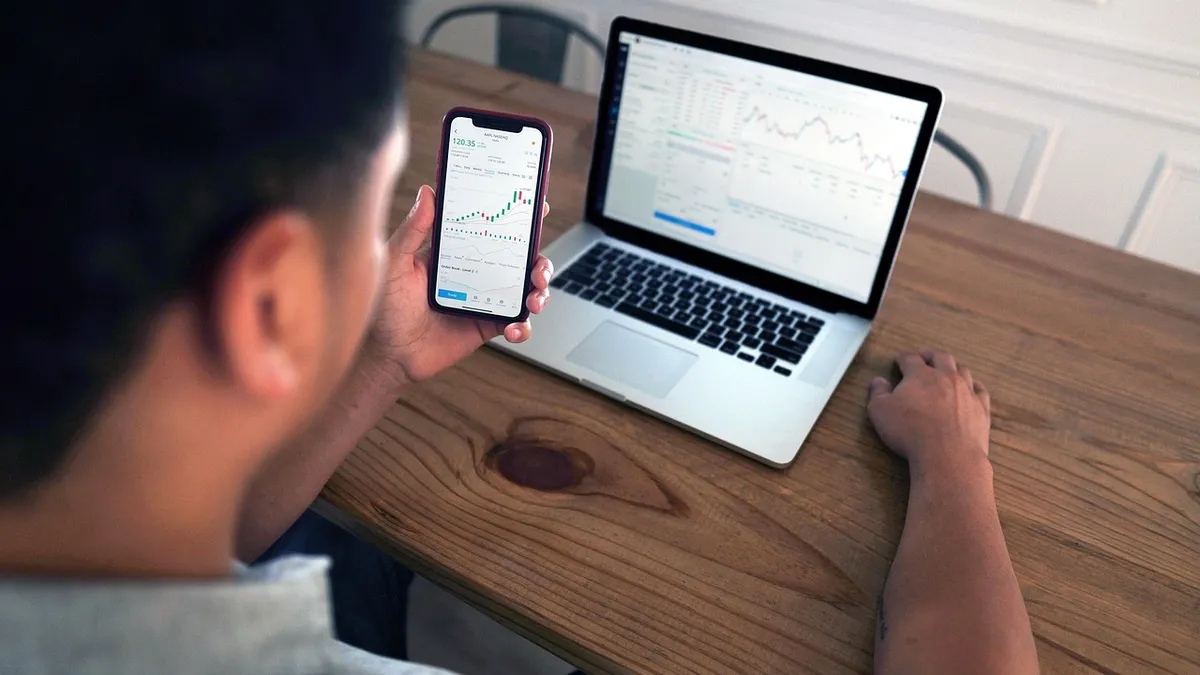
    How to trade in XAUUSD without blowing your account early is one of the most searched questions among Australian retail traders — and for good reason. According to ASIC’s Report 828, 68% of retail CFD clients in Australia lost money in FY2023–24, with net losses exceeding $458 million across the sector. That number isn’t abstract. It means two out of every three traders sitting where you are right now walked away with less than they started. At Crazii JTVertex, we’ve worked with Australian traders at every level, and the pattern is almost always the same: it isn’t bad luck that wipes accounts early — it’s entirely preventable mistakes made in the first few weeks. In this guide on how to trade in XAUUSD without blowing your account early, Crazii JTVertex will walk you through the exact framework that separates the 32% who come out ahead from everyone else. By the end, you’ll have a clear, step-by-step approach to gold trading you can apply from your next session.

    Ready to trade XAUUSD with structure and support?

    Join the Crazii JTVertex community for real-time gold signals, trade ideas, and a group of Australian traders who share what’s actually working.

    Join the Trading Group

    🛠️ Tools Crazii JTVertex Uses for XAUUSD Trading

    Step 1 — Trading Tools

    Crazii Signals Platform

    Most traders enter XAUUSD blind, without a structured signal framework. Crazii gives you real-time gold trade ideas with clear entry, stop, and target levels — so you’re not guessing at 2 am.

    Get Crazii Signals
    Step 2 — Trading Platform

    AIMS Trading Platform

    A reliable execution platform matters more than most traders realise. Slippage and poor order fills on volatile XAUUSD moves can turn a winning signal into a loss before you’ve had your morning coffee.

    Open an AIMS Account
    Table of contents

    How to trade in XAUUSD: what the market actually is and why it moves

    How to trade in XAUUSD: what the market actually is and why it moves
    💡

    Key points: XAUUSD is the spot price of gold quoted in US dollars per troy ounce. It moves on a combination of US dollar strength, real interest rates, geopolitical risk, and institutional positioning — not just news headlines. Understanding these drivers is the first step to trading it with any consistency.

    Here’s a question worth sitting with before you place a single trade: do you know what actually moves the gold price, or are you just watching candles and hoping? XAUUSD represents how many US dollars it costs to buy one troy ounce of gold. That sounds simple. The complexity is in what makes that number shift by $20 in 90 seconds. Gold has an inverse relationship with the US dollar — when the dollar strengthens, gold typically falls, and vice versa. But that’s only part of the picture. Real interest rates (nominal rates minus inflation expectations) matter enormously. When real rates rise, the opportunity cost of holding gold — which pays no yield — increases, and institutional money tends to rotate out. When real rates fall or turn negative, gold becomes attractive again. Then there’s geopolitical risk. Gold acts as a safe-haven asset during periods of global uncertainty. Conflict, banking stress, or political instability tend to push capital into gold quickly and sometimes violently.

    The evidence: According to ASIC Report 828 (published January 2026), 68% of Australian retail CFD clients lost money in FY2023–24, with net losses exceeding $458 million. That’s not a market problem — gold was highly tradeable across that period. It’s a trader-behaviour problem. The market moved. Most traders just moved with it in the wrong direction.

    What this means practically: if you’re trading XAUUSD purely on chart patterns without understanding the macro backdrop, you’re essentially navigating with half your instruments switched off. A bullish engulfing candle at a key support level means very little if the US Federal Reserve has just signalled three rate hikes. The London session (roughly 8 pm to 4 am AEST) and the New York session overlap (roughly 11 pm to 1 am AEST) are where the majority of XAUUSD volume concentrates. During these windows, spreads tighten and moves are more decisive. Trading outside these hours — particularly during the quiet Asian session — often produces choppy, low-conviction price action that chews through stops without going anywhere meaningful.

    Expert tip: Crazii JTVertex pays close attention to the 30 minutes before and after the New York open (11 pm AEST). In minn’s experience, that window produces some of the sharpest and most tradeable XAUUSD moves of the entire day — but it also produces some of the most vicious false breakouts. Minn learned to wait for the first 15 minutes to close before committing to a direction. That single habit stopped a lot of unnecessary losses.

    For Australian traders, this creates a practical challenge: the best XAUUSD hours don’t align neatly with a 9-to-5 schedule. That’s exactly why having a structured signal framework — rather than sitting in front of charts until midnight — matters more than most beginners realise. The best trading signals and tools for Australian traders in 2026 are built around this timing reality. And if you’re wondering how the mechanics of gold signals work in practice, the next section is going to hit close to home.
    how to trade in XAUUSD gold market drivers Crazii JTVertex
    Understanding what drives XAUUSD price movement is the foundation of consistent gold trading. · Photo: TheInvestorPost / Pixabay

    Why most XAUUSD traders blow their accounts in the first month

    Why most XAUUSD traders blow their accounts in the first month
    💡

    Key points: Most retail XAUUSD accounts are lost not because of bad signals or bad markets, but because of three structural errors: position sizes that are too large for the account, no pre-defined stop loss, and trading during low-liquidity windows. Each of these is fixable before your next trade.

    Meet Jake. He’s 34, works in IT in Brisbane, and started trading XAUUSD eight months ago after a colleague mentioned he’d made money on gold during a period of market volatility. Jake opened an account, watched a few YouTube tutorials, and deposited $3,000. Within six weeks, more than half of it was gone. Jake isn’t unusual. He’s the norm. The first and most destructive mistake is overleveraging. Gold can move $30 to $50 in a single trading session. On a standard 0.1 lot position, that’s $300 to $500 of exposure on a single move. For a $3,000 account, one bad trade at that size — without a stop loss — is a 10% to 17% drawdown in an afternoon. Most new traders don’t feel the danger until it’s already happened.

    The evidence: ASIC Report 828 found that among active retail traders placing 50 or more open positions per month, 19% of those who would have been profitable ended up losing money purely because of fees. That figure doesn’t include losses from poor position sizing — it’s just fees alone flipping outcomes. More trading, in most cases, produced worse results.

    That figure deserves a moment. One in five active traders who were actually reading the market correctly still lost money — because the costs of trading too frequently eroded their edge. Think about what that means for someone who is also getting the direction wrong. The second mistake is trading without a stop loss because “gold always comes back.” Gold does tend to recover over long timeframes. But a leveraged CFD position doesn’t have the luxury of time. Margin calls don’t wait for a recovery. And XAUUSD can drop $80 in a week during a strong dollar rally.

    Expert tip: Minn’s personal rule — and this is a heuristic, not a guaranteed formula — is never to risk more than 1% of the account on any single XAUUSD trade. On a $5,000 account, that’s $50 at risk per trade. It sounds conservative. It feels conservative. But it’s what keeps you in the game long enough to actually get good. The traders who blow up in month one almost always risked 5% to 10% per trade without realising it.

    The third mistake is trading during the wrong sessions. The Asian session — roughly 7 am to 3 pm AEST — is where XAUUSD goes quiet. Price chops sideways inside a narrow range. Traders who enter during this window often get stopped out by noise before the real move starts in the London session hours later. Jake made all three mistakes simultaneously. He was trading 0.3 lots on a $3,000 account, had no stop loss, and was placing trades at 10 am Sydney time. The market didn’t punish him for being wrong about direction — it punished him for having no structure around his trades at all. The good news is that structure is learnable. And the next section is where minn shows you exactly what that structure looks like.
    XAUUSD account blowup mistakes Australian retail traders Crazii JTVertex
    Overleveraging, missing stop losses, and wrong session timing are the three most common reasons XAUUSD accounts fail early. · Photo: TheInvestorPost / Pixabay

    Want structured XAUUSD trade ideas delivered to you?

    The Crazii signals platform gives you clear entry, stop, and target levels on gold — so you’re not building your framework from scratch alone.

    Try Crazii Signals

    The XAUUSD trading framework that keeps your account alive

    The XAUUSD trading framework that keeps your account alive
    💡

    Key points: A sustainable XAUUSD trading framework has four non-negotiable components: a defined risk-per-trade limit, a session filter, a minimum risk-to-reward ratio before entry, and a rule for when not to trade. Without all four, even a good signal becomes a coin flip.

    So what does a framework actually look like in practice? Not in theory — in the actual sequence of decisions you make before you click buy or sell? Here’s the approach Crazii JTVertex uses and teaches to Australian traders:
    1

    Set your maximum risk per trade before you open the platform

    Decide on a fixed dollar amount — not a percentage in your head — that you are willing to lose on this trade if it goes wrong. For most retail accounts under $10,000, this should be between $50 and $100 per trade. Write it down. This number doesn’t change based on how confident you feel about a setup.

    2

    Apply the session filter: only trade during London or New York sessions

    If it’s the Asian session (roughly 7 am to 3 pm AEST), close the platform. The liquidity isn’t there for clean XAUUSD moves. Waiting for the right session isn’t patience — it’s a competitive advantage that most retail traders don’t use.

    3

    Only enter if the risk-to-reward ratio is at least 1:2

    If your stop loss is 20 points away, your target needs to be at least 40 points away. This is non-negotiable. A signal with a 1:1 ratio means you need to be right more than 50% of the time just to break even — and that’s before fees. At 1:2, you can be wrong on 40% of trades and still be profitable.

    4

    Define your “no trade” conditions in advance

    Major US economic data releases — Non-Farm Payrolls, CPI, FOMC decisions — can send XAUUSD $30 to $50 in seconds. These are not trading opportunities for retail traders. They are ambush zones. Minn’s rule is to have no open positions 30 minutes before and after any high-impact USD news event.

    The evidence: ASIC Report 828 confirmed that 5% of retail clients would have made a net profit but ended up in a loss position purely because of fees. That means fee management — which includes not over-trading and not holding positions through high-spread news events — is a genuine edge in itself.

    This framework doesn’t guarantee profitable trades. Nothing does, and anyone who tells you otherwise is not someone you should be taking trade advice from. What it does is remove the structural reasons most accounts fail before the trader has even had a chance to develop real skill. For a deeper look at how professional-grade signals fit into this kind of framework, the gold trading signals strategy that survived three rate hike cycles is worth reading alongside this guide. Jake, from Brisbane — remember him — applied this framework to his remaining $1,400 after his early losses. He stopped trading the Asian session entirely, reduced his position size, and started waiting for at least a 1:2 setup before entering. It took three months. But his account stopped bleeding. That’s the real first milestone.
    XAUUSD trading framework risk management steps Crazii JTVertex
    A structured XAUUSD framework combines session filters, fixed risk limits, and minimum risk-to-reward ratios. · Photo: TheInvestorPost / Pixabay

    How to read XAUUSD price action without overcomplicating your charts

    How to read XAUUSD price action without overcomplicating your charts
    💡

    Key points: Effective XAUUSD price action analysis comes down to three things: identifying the higher timeframe trend, finding a key support or resistance level, and waiting for a lower timeframe confirmation signal before entering. Adding more indicators beyond this typically reduces clarity rather than improving it.

    At some point, every trader looks at their chart and thinks: maybe I just need one more indicator. That’s almost always the wrong instinct. XAUUSD price action is most readable when you strip the chart back, not when you add to it. Here’s the approach that works: Start on the daily or 4-hour chart to identify the prevailing trend. Is gold making higher highs and higher lows? That’s an uptrend. Lower highs and lower lows? Downtrend. Horizontal highs and lows? Range. This takes 30 seconds. It tells you which direction to bias your trades. Then identify the nearest significant support or resistance level on that same timeframe. These are price zones where gold has previously reversed or stalled — places where institutional orders tend to cluster. On XAUUSD, round numbers ($2,300, $2,350, $2,400) often act as psychological levels worth watching. Drop to the 1-hour or 15-minute chart only once you have a level identified. Look for a confirmation signal — a candlestick pattern (an engulfing candle, a pin bar, a morning star) or an RSI reading below 30 (oversold) or above 70 (overbought) — that aligns with your higher timeframe bias.

    Expert tip: Crazii JTVertex deliberately avoids using more than two indicators simultaneously on XAUUSD charts. Minn’s current setup is a 20-period EMA on the 1-hour chart and RSI with standard settings (14 periods, 30/70 thresholds). That’s it. Every time minn has added a third indicator “just to confirm,” it’s created more hesitation, not more clarity — and hesitation on XAUUSD usually means missing the move or entering late.

    Chart Element Timeframe to Use What You’re Looking For Common Mistake
    Trend direction Daily / 4-hour Higher highs/lows or lower highs/lows Trading against the daily trend on a 5-minute signal
    Key level Daily / 4-hour Previous swing highs, swing lows, round numbers Drawing too many lines and losing the key zones
    Entry signal 1-hour / 15-minute Engulfing candle, pin bar, RSI divergence Entering on a 1-minute chart signal against the 4-hour trend
    Stop loss placement 1-hour / 15-minute Below/above the key level or recent swing Placing stops too tight and getting taken out by normal volatility
    The multi-timeframe approach sounds simple because it is. The discipline is in not breaking it when you feel certain about a trade. Certainty is the most dangerous feeling in XAUUSD trading. For a more detailed breakdown of how signals and price action work together in a live gold market, the guide on gold trading signals explained for traders watching XAUUSD daily goes deeper on the technical side.
    XAUUSD price action multi-timeframe analysis Crazii JTVertex
    Multi-timeframe XAUUSD analysis: identify trend and key levels on higher timeframes, confirm entry on lower timeframes. · Photo: TheInvestorPost / Pixabay

    Get XAUUSD trade setups with entry, stop, and target already mapped

    Crazii JTVertex publishes structured gold trade ideas through the Crazii platform — built for Australian traders who want clarity, not noise.

    Access Crazii Trade Ideas

    Common XAUUSD trading mistakes Australian traders make

    Common XAUUSD trading mistakes Australian traders make
    💡

    Key points: The most costly XAUUSD mistakes aren’t technical errors — they’re behavioural. Revenge trading after a loss, holding losers hoping for a recovery, and increasing position size after a winning streak are patterns that consistently destroy accounts that the market itself never would have.

    You’ve probably already made at least one of these. That’s not a criticism — it’s almost a rite of passage for anyone who trades XAUUSD seriously.
    Mistake 1
    Revenge trading after a loss

    You take a $150 loss on a XAUUSD trade that went against you. The frustration is immediate and physical — a tightness in the chest, the urge to get it back right now. So you open a larger position, without waiting for a proper setup, to recover the loss in the same session. This is revenge trading, and it’s how a $150 loss becomes a $600 loss before lunch. The market has no memory of what it just did to you. Your next trade is completely unrelated to your last one. Trading larger to “get even” is a logic that exists only in your head, not in the price.

    Mistake 2
    Moving your stop loss further away when price approaches it

    The trade is going against you. Your stop is 15 points away. Instead of letting it hit, you move the stop another 20 points to give it “more room.” This is the single most account-destroying habit in retail trading. Your stop loss exists because you already decided, rationally and before emotion entered the picture, where the trade was wrong. Moving it under pressure is letting the worst version of your decision-making override the best version. Let it hit. Take the small loss. Move on.

    Mistake 3
    Increasing position size after a winning streak

    Three wins in a row and suddenly the framework feels too conservative. You double the position size on trade four because you’re “on a roll.” XAUUSD doesn’t care about your streak. The fourth trade is as likely to be a loser as any other. Increasing size during a winning streak is how traders give back weeks of gains in a single session. Minn’s view on this is direct: position size should be determined by your account size and risk rules, not by how you feel about your recent trades.

    The evidence: ASIC Report 828 noted that 74% of new retail clients acquired via paid online advertising lost money in FY2023–24 — worse than the already-high sector average of 68%. This matters because many of those traders came in during a period of high excitement about gold or forex. Enthusiasm without structure is one of the most reliable predictors of early account failure.

    This is also worth saying plainly: XAUUSD trading is not suitable for everyone. If you’re trading with money you cannot afford to lose, or if you find that losses cause you significant stress that affects your work or relationships, that’s important information. The 32% who come out ahead aren’t just technically better — they’re also psychologically matched to the activity. There’s no shame in deciding the risk profile doesn’t suit your circumstances right now. For traders who want to see how professional signals can reduce some of the guesswork, the best trading signals in Telegram channels worth subscribing to covers the landscape of what’s actually available. Jake, eight months into his XAUUSD journey, still catches himself wanting to revenge trade after a bad session. The difference now is that he has a rule: after any loss, he closes the platform for at least two hours before considering another trade. It sounds small. It’s not.
    XAUUSD trading mistakes behavioural errors Australian traders Crazii JTVertex
    Behavioural mistakes — revenge trading, moving stops, and oversizing — cost Australian XAUUSD traders more than technical errors do. · Photo: TheInvestorPost / Pixabay

    Frequently asked questions about trading XAUUSD

    Frequently asked questions about trading XAUUSD
    💡

    Key points: These are the questions Australian traders most commonly ask when starting out with XAUUSD — answered directly, without the padding. If your question isn’t here, the Crazii JTVertex community and contact page are the fastest ways to get a specific answer.

    What is the minimum account size to start trading XAUUSD?

    There is no universal minimum, but trading XAUUSD with less than $1,000 makes meaningful risk management very difficult. At that account size, even a micro-lot position exposes you to significant percentage swings per trade. Most experienced traders recommend starting with at least $2,000 to $5,000 to allow for proper position sizing within a 1% risk-per-trade framework.

    What are the best times to trade XAUUSD for Australian traders?

    The London session (approximately 8 pm to 4 am AEST) and the New York session overlap (approximately 11 pm to 1 am AEST) offer the highest liquidity and most tradeable XAUUSD conditions. The Asian session produces lower volume and choppier price action, making it less reliable for most retail strategies.

    How much leverage should I use on XAUUSD?

    This is general information, not personal financial advice — consider your own circumstances and read your broker’s disclosure documents. That said, lower leverage is almost always safer for retail traders. ASIC-regulated brokers in Australia apply leverage caps for retail clients. Using the maximum available leverage on XAUUSD is one of the fastest ways to blow an account during a volatile session.

    Can I trade XAUUSD profitably using trading signals?

    Signals can provide structure and reduce the guesswork of identifying trade setups, but they do not eliminate risk. According to ASIC Report 828, 26,243 Australian retail clients used copy trading in FY2023–24 — a growing segment. Signals work best when combined with proper risk management and a clear understanding of position sizing, not as a replacement for those fundamentals.

    What is the difference between XAUUSD spot trading and gold CFDs?

    XAUUSD spot trading refers to buying or selling gold at the current market price for immediate settlement. Gold CFDs (contracts for difference) allow you to speculate on gold price movements without owning the underlying asset, typically using leverage. Most Australian retail traders access gold through CFDs via regulated brokers. Both involve significant risk and are subject to ASIC oversight.

    Note: This content is general information only and does not constitute personal financial advice. Trading XAUUSD and gold CFDs involves significant risk, and the majority of Australian retail CFD clients lose money (68% in FY2023–24, per ASIC Report 828). Your circumstances are different from everyone else’s. Before trading, read the relevant Product Disclosure Statement and consider whether this product is appropriate for you. If you are unsure, speak with a licensed financial adviser.

    Have a specific XAUUSD question? Let’s talk.

    The Crazii JTVertex team is available for direct questions — whether you’re just getting started or working through a specific trading challenge.

    Contact Crazii JTVertex