Category: Best Trading Signals Platforms and Tools Compared

  • Best Trading Signals App Tested by Australian Traders in 2026

    Best Trading Signals App Tested by Australian Traders in 2026

    Finding the best trading signals app requires more than just checking app store ratings, especially when 68% of retail CFD clients in Australia realised a net loss in the 2023–24 financial year. You want a tool that aligns with your specific risk appetite rather than chasing empty promises. Crazii JTVertex helps you navigate these complex markets by providing the necessary technical framework and objective analysis, which you can explore further in our guide to the best trading signals for Australian traders 2026.

    Need a clear path forward?

    Connect with our community and get direct support to refine your trading approach without the noise.

    Join our community
    In this article

    What defines the best trading signals app in 2026?

    💡

    Key point: The best trading signals app is not the one with the highest claimed win rate, but the one providing transparent entry, stop-loss, and take-profit levels. Reliability in 2026 is measured by consistent data execution, regulatory awareness, and the ability to integrate into your existing risk management strategy rather than replacing it entirely.

    You have likely seen apps promising overnight wealth. Forget those. The reality is that the market is a zero-sum game where 68% of retail CFD clients lost money in the last financial year according to ASIC Report 828. When you look for the best trading signals app, you are really looking for a data-driven partner that helps you manage your risk, not a magic button.

    A high-quality signal provider gives you the “why” behind the trade. Whether it is an RSI divergence or a breakout at a key support level, you should understand the logic. If an app just spits out “Buy EURUSD” with no context, you are essentially gambling. In my own experience, I have found that the most effective tools are those that allow for manual verification before execution.

    The science angle: ASIC data reveals that 74% of new retail clients acquired via paid online advertising lost money in FY2023–24. This suggests that marketing-heavy signal services often underperform compared to those that focus on educational value and transparent methodology.

    Expert tip: When I test a new app, I always look for the 100-trade threshold. If the service hasn’t provided at least 100 documented signals, you don’t have enough data to determine if their edge is real or just a streak of luck.

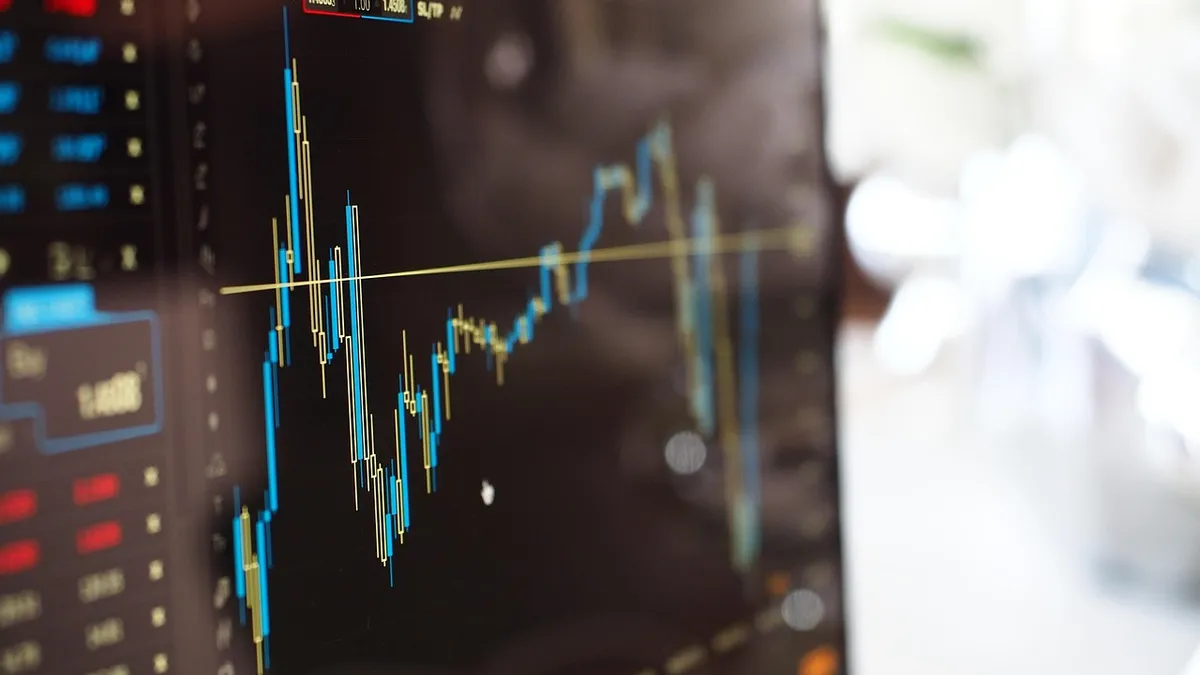
    Best trading signals app interface analysed by Crazii JTVertex
    Evaluating the best trading signals app for Australian market conditions. · Photo: Veex / Pixabay

    Why do most traders lose money using signal apps?

    💡

    Key point: Most traders fail because they treat signals as “get rich” shortcuts rather than supplementary data. The combination of high transaction fees—which accounted for $73 million in retail losses—and over-trading leads to a situation where even potentially profitable strategies end up in the red.

    Let’s talk about Sarah, a 34-year-old marketing manager. She started using a popular signal app, hoping it would cover her costs. She followed every alert blindly. After three months, she was down 15% of her capital. The problem wasn’t just the signals; it was the frequency of her trading. ASIC noted that among active traders, 19% of otherwise-profitable clients lost money after fees. She was trading too much, and the fees were eating her alive.

    You might be tempted to jump into high-leverage trades because an app told you to. Don’t. High-risk products like options CFDs saw 85% of retail clients lose money in the latest ASIC data. When you rely solely on an app, you lose your ability to judge market sentiment. You become a passive participant in your own financial ruin.

    The science angle: Fees are a material component of total retail losses. In the FY2023–24 period, 5% of retail clients would have made a net profit but ended up losing because of fees. This is a crucial metric for anyone using high-frequency signal services.

    Expert tip: I always advise setting a “fee budget.” If your signal app generates more than 50 trades a month, calculate the spread and commission costs before you even look at the potential profit. Often, you will find that the strategy is mathematically impossible to win on once costs are factored in.

    Looking for professional guidance?

    Learn how to integrate signals without falling into the trap of over-trading and excessive fees.

    Get expert advice

    How do you filter reliable signals from the noise?

    💡

    Key point: Filtering signals requires checking the historical drawdown and the source of the data. Reliable services provide clear evidence of their performance, including closed positions, and do not hide behind vague promises of future gains. Always prioritise apps that offer a trial period to test their logic in live market conditions.

    Filtering is about exclusion. Start by ignoring any service that claims a 90% win rate. It is mathematically improbable in the retail CFD space. Instead, look for signals that include a clear “stop-loss” and “take-profit” ratio. If the risk-to-reward ratio is consistently below 1:1, walk away.

    You should also verify if the signal provider is using an established platform like MetaTrader, which hosts over 3,200 free and commercial signals. This allows you to verify the performance history directly on the platform rather than relying on a screenshot provided by the app developer. Transparency is your only defence against bad actors.

    The science angle: The number of active CFD trading clients in Australia has dropped by 76% since the pre-intervention period (pre-March 2021). This suggests a more cautious market where only those with clear, data-backed strategies are surviving the long term.

    1

    Check the historical data

    Look for at least six months of consistent trading history on a public or verified ledger.

    2

    Validate the risk parameters

    Ensure every signal has a predefined exit point to protect your capital.

    Comparing top signal delivery platforms for Australians

    💡

    Key point: Comparing platforms involves looking at execution speed, asset variety, and cost transparency. While copy trading is gaining interest—with 26,243 retail clients using it in the last year—it remains a concentrated market. Choose platforms that allow you to monitor the signal source’s risk management settings in real-time.

    Platform TypeRisk LevelExecution Transparency
    Direct Signal AppsHighVariable
    Platform-Integrated (MT4/5)MediumHigh
    Managed AccountsHighLow

    If you are serious about finding the Best Trading Signals Platform or App Which Wins in 2026, you need to understand that managed accounts are not widely used, with only 121 retail clients opting for them last year. Most traders are better off using integrated signals where they maintain control over the terminal. You should also check out our detailed analysis on the Best Trading Signals Software That Actually Delivers Results to see which tools perform best under Australian market conditions.

    Ready to choose your tool?

    We have tested the top platforms for 2026. Get our curated list to avoid the common traps.

    View top tools

    Common pitfalls when using automated signal services

    💡

    Key point: The biggest pitfall is “set and forget.” Automated services require constant monitoring of market volatility. When you stop paying attention, your account is exposed to market gaps and sudden shifts that an algorithm might not be programmed to handle, leading to significant, unexpected losses.

    Mistake 1
    Ignoring the spread impact. Many traders calculate profits without subtracting the spread and commission, which can turn a winning strategy into a losing one over time.
    Mistake 2
    Over-leveraging on signals. Just because a signal is “strong” doesn’t mean you should increase your position size. Always stick to your risk-per-trade limit.

    Remember, the goal is to build a bigger image for your future. If you rely on a signal, you are borrowing someone else’s brain. That is fine, but you must still be the one to decide if the trade fits your account size. If you don’t understand the trade, don’t take it. It is that simple.

    Frequently asked questions about trading signals

    Are trading signals legal in Australia?

    Yes, but providers must be properly licensed by ASIC. Always check the provider’s financial services licence (AFSL) before subscribing to any service that offers personal advice.

    Do I need to pay for the best trading signals?

    Not necessarily. While some premium services offer better data, many high-quality signals are available through integrated platform marketplaces like MetaTrader, which have rigorous verification standards.

    Can I get rich using signal apps?

    No. Trading is high-risk. ASIC data shows that the majority of retail clients lose money. Signals are tools for probability management, not wealth creation machines.

    How do I know if a signal is a scam?

    If a service guarantees profits, uses high-pressure sales tactics, or hides its historical performance data, it is likely a scam. Always verify their claims against third-party records.

    What is the best way to start with signals?

    Start with a demo account. Test the signals for at least three months without risking real capital to see if the strategy aligns with your personal risk tolerance.

    Note: Trading CFDs and margin FX involves significant risk. This content is for general information only and does not constitute personal financial advice. You should consider your own financial situation and consult with a qualified professional before making any investment decisions.

    Need personal guidance?

    Let’s discuss your trading goals and find the right tools for your specific needs.

    Contact us

  • Best Trading Signal App for Android Traders on the Go

    Best Trading Signal App for Android Traders on the Go

    Finding the best trading signal app for android can shave hours off your daily market analysis while helping you navigate the volatile landscape of global finance. You want a tool that integrates seamlessly with your mobile lifestyle, yet the reality of trading remains sobering, with ASIC data showing 68% of retail CFD clients lost money in FY2023–24. At Crazii JTVertex, we focus on providing the clarity you need to manage these risks effectively. If you are looking to refine your strategy, our guide on the best trading signals for Australian traders 2026 offers the foundational approach you need to build a professional trading image.

    Ready to refine your strategy?

    Access our curated signals and professional guidance to navigate the market with more discipline.

    Get Started Now
    In this article

    Why does mobile signal accuracy matter for your portfolio?

    💡

    Key point: Mobile signal accuracy determines whether you enter a trade with a statistical edge or mere hope. In a market where fees can flip profitable trades into losses, your app must provide timely, actionable data. Relying on high-frequency, low-quality alerts often leads to overtrading and increased net losses for retail clients.

    You are on the train or grabbing a coffee, and your phone pings. A signal suggests a long position on AUD/USD. Do you trust it? The difference between a professional and an amateur lies in how they verify that ping. If your app lacks precision, you are essentially gambling with your capital. According to research by the OECD, improving financial literacy and decision-making frameworks is critical for retail investors to navigate complex digital trading environments safely.

    Remember, ASIC reported that 5% of retail clients would have been profitable if not for the impact of fees. When you chase every signal, you increase your transaction costs, which directly erodes your bottom line. It is not about the number of trades; it is about the quality of the execution. When selecting the best trading signal app for android, prioritize those that offer clear entry and exit points rather than vague “buy” or “sell” suggestions.

    The science angle: The MetaTrader ecosystem hosts over 3,200 free and commercial signals. While the volume is massive, research indicates that active traders—those executing over 50 positions per month—often see their net profits decline due to the cumulative impact of spread and commission costs.

    Think of it like driving in heavy traffic. You can change lanes every time you see a gap, but you will likely arrive at your destination at the same time, just more exhausted. Trading is the same. You need an app that filters the noise so you can focus on high-probability setups that align with your risk management plan. A high-quality app acts as a filter, not a generator of endless, low-conviction trade ideas.

    I once worked with a trader, let’s call him Mark. Mark was obsessed with “the next big hit” and installed five different signal apps. He was constantly checking his screen, stressed, and his account balance was sliding downwards. We stripped his process back to one reliable source and reduced his trading frequency by 70%. His results didn’t improve overnight, but his peace of mind—and his capital preservation—stabilised within months. This highlights why finding the best trading signal app for android is about quality control rather than quantity.

    best trading signal app for android on a mobile device showing market trends
    Selecting the best trading signal app for android requires filtering out market noise. · Photo: stevepb / Pixabay

    How do you identify the best trading signal app for android?

    💡

    Key point: A reliable app provides transparent historical performance, clear entry/exit parameters, and risk management guidelines. Avoid apps that promise guaranteed returns or lack verifiable data. Look for platforms that integrate with established brokers and allow you to test signals on a demo account before risking real capital.

    Need a professional signal framework?

    Connect with our expert team to learn how to evaluate signal providers without the hype.

    Consult Our Experts

    You need to be ruthless with your selection. If an app doesn’t show you the drawdown or the win-loss ratio clearly, walk away. Most “get rich quick” apps rely on flashy interfaces, but the best tools are often the most boring—they simply report the data as it is. When searching for the best trading signal app for android, look for developers who provide regular updates and maintain a transparent track record of their signal performance.

    When you start evaluating, check for integration. Does the app push notifications directly to your phone? Can you verify the signal against your own chart analysis? If you are looking for more advanced tools, our Best Trading Signals AI Tools Saving Traders 4 Hours Daily provides a deeper look into automation efficiency. The best trading signal app for android should be an extension of your existing strategy, not a replacement for your own market judgment.

    Expert tip: I always recommend using a demo account for at least one month before applying any signal to your live capital. This helps you understand the latency between the signal alert and your execution speed, which is crucial for volatile markets.

    FeatureProfessional StandardRed Flag
    Historical DataFull, transparent logsHidden or missing
    Risk DisclosureClear warnings providedGuaranteed profits
    LatencyReal-time notificationsDelayed by minutes

    Before you commit, consider if the app aligns with your trading style. Are you a day trader needing fast scalping signals, or a swing trader looking for weekly trends? The best tool for one is often useless for the other. Always verify the app’s reputation in community forums and check if the provider is regulated or affiliated with reputable financial entities.

    What are the common pitfalls when using automated signals?

    💡

    Key point: The most common pitfalls include over-leveraging based on a single signal, ignoring the impact of transaction fees, and failing to verify signals against broader market conditions. Many traders also fall into the trap of copy-trading without understanding the underlying risk profile of the signal provider.

    You have likely heard the term “copy trading.” ASIC data shows that 26,243 retail clients used these services recently, but it is not a magic bullet. If you don’t understand the strategy being used, you are essentially flying blind. Using the best trading signal app for android does not absolve you of the responsibility to understand the underlying market mechanics.

    Mistake 1
    Blindly following signals: Never execute a trade just because an app told you to. If you cannot explain why the trade makes sense, you should not be in it.
    Mistake 2
    Ignoring fees: Fees can turn a 5% gain into a 2% loss. Always calculate your net profit after commissions and spreads before confirming the trade.

    It is easy to get caught up in the excitement of a winning streak. But remember that 74% of new retail clients who entered the market via paid online advertising ended up losing money. Advertising often paints a picture of simplicity that doesn’t exist in reality. When you rely on the best trading signal app for android, maintain a healthy skepticism toward any alert that promises consistent, risk-free returns.

    If you want to understand how to compare different tools, our guide on the Best Trading Signals Bot Compared Across 5 Key Metrics will give you the objective criteria to avoid these common traps.

    How to integrate signals into your existing trading workflow?

    💡

    Key point: Integration should be additive, not substitutive. Use signals as a filter for your own analysis rather than the sole basis for your decisions. Set up alerts that trigger only when your specific criteria are met, and always check the economic calendar before entering a position.

    Ready to build your workflow?

    We help traders integrate signals into a sustainable, long-term strategy that respects your risk appetite.

    Start Building Today

    Think of a signal as a suggestion, not an instruction. You are the pilot; the app is just the co-pilot. Your job is to check the instruments before you commit to the flight path. Integrating the best trading signal app for android into your routine requires a disciplined approach to risk management and position sizing.

    1

    Define your criteria

    Before checking the app, know exactly what you are looking for—e.g., RSI below 30 for a potential reversal.

    2

    Cross-reference

    Check the signal against your own chart. If it doesn’t align with your support and resistance levels, skip it.

    If you are looking for a community-based approach, you might find What Is the Best Forex Signal Telegram Group for Australians helpful to understand how others manage these workflows. Just remember that popularity does not equal profitability. Always maintain your own independent analysis as the primary driver of your trading decisions.

    Frequently Asked Questions

    Are trading signal apps reliable for beginners?

    They can be, but only if used as a learning tool. Beginners often fall into the trap of over-relying on them. Always verify signals with your own education before risking capital.

    Can I make consistent profits using only signals?

    No. Trading is a complex activity. Signals are just one piece of the puzzle. Without a robust risk management strategy, even the best signals cannot prevent long-term losses.

    How much should I pay for a signal app?

    Avoid apps that ask for massive upfront fees. Transparency is more important than price. Look for providers that offer a trial period so you can test their performance.

    Do signal apps work for all assets?

    Most focus on FX and CFDs. Be cautious with apps that claim to provide accurate signals for every asset class, as market dynamics differ significantly between markets.

    Why do most retail traders lose money?

    ASIC data points to high leverage, excessive trading, and the impact of fees. Signals can sometimes encourage poor habits if you don’t have the discipline to filter them correctly.

    Is there a “perfect” signal app?

    No. The “best” app is the one that fits your specific trading style and risk tolerance. Always prioritize security and data privacy when downloading any financial application to your Android device.

    Note: This content is general information only and does not constitute personal financial advice. Trading CFDs and margin FX involves high risk. You should consider your own financial circumstances and read the relevant disclosure documents before trading. Past performance is not an indicator of future results.

    Need 1-on-1 guidance?

    Contact us to discuss your trading path and how to manage risk effectively in the Australian market.

    Contact Us Now
  • Best Trading View Buy Sell Signal That Cuts Guesswork Fast

    Best Trading View Buy Sell Signal That Cuts Guesswork Fast

    Finding the best trading view buy sell signal that cuts guesswork fast is often the difference between a calculated move and a blind gamble. Relying on gut feeling in a market where 68% of retail CFD clients lost money in the last financial year is a recipe for disaster. Crazii JTVertex provides the clarity you need to navigate these high-risk waters, helping you refine your strategy without the emotional noise that clouds judgment. By integrating tools designed for professional-grade analysis, you can focus on building a sustainable trading future, as detailed in our guide to the best trading signals for Australian traders 2026.

    Streamline your market analysis

    Gain access to professional-grade tools that strip away the guesswork and provide actionable market insights. Start your journey with Crazii JTVertex today.

    Get started now
    In this article

    What defines a reliable buy sell signal?

    💡

    Key point: A reliable signal is not a magic prediction but a data-driven trigger based on verifiable technical conditions. It requires clear entry and exit parameters, risk management rules, and consistency across multiple timeframes to effectively filter out market noise for the Australian retail trader.

    You have likely seen countless indicators promising quick wins. But let us be honest, most are just lagging shadows of past price action. A true signal provides a mathematical edge, not a promise of wealth. When you look for the best trading view buy sell signal, you need to see the logic behind the line.

    The science angle: Technical indicators rely on historical price and volume data to forecast potential movements. A robust signal uses confluence—where multiple indicators like RSI (oversold at 30, overbought at 70) and Moving Averages align—to increase the probability of a successful trade outcome.

    Take Sarah, a 34-year-old marketing manager from Sydney. She spent months chasing “hot tips” on social media. She lost 15% of her capital before she stopped guessing and started using a rules-based system. Now, she waits for specific chart patterns before acting. Her stress levels dropped, and her consistency improved. She learned that a signal is only as good as the discipline you apply to it.

    Expert tip: I always ignore signals that do not come with a pre-defined stop-loss. If an indicator tells you when to buy but leaves you guessing when to exit, it is not a tool—it is a trap. Always prioritise capital preservation over potential profit.

    best trading view buy sell signal technical analysis
    Identifying a reliable best trading view buy sell signal requires confluence. · Photo: 422737 / Pixabay

    Ready to refine your strategy?

    Join our community to access reliable signals and professional support. Take control of your trading journey with Crazii JTVertex.

    Join the community

    Why do most retail traders lose money with signals?

    💡

    Key point: Retail traders often fail because they treat signals as shortcuts rather than tools. ASIC data shows that 74% of clients acquired via paid ads lost money, often due to over-trading and high fees, which can flip a profitable strategy into a net loss.

    It is tempting to blame the market. But the reality is often closer to home. Fees eat into your margins, and over-trading turns minor errors into account-draining events. If you follow a signal without understanding the underlying risk, you are essentially flying blind.

    Mistake 1
    Chasing high-frequency signals. Trading too often increases your exposure to fees. ASIC reports indicate that active traders with 50+ positions per month see worse net outcomes after fees.

    Think about the cost of entry. In the FY2023–24 period, retail clients lost $458 million, with $73 million tied directly to fees. When you trade frequently based on low-quality signals, you are working for the broker, not for yourself. You need to be selective.

    The science angle: Market volatility often triggers false signals. Using a filter—such as only trading in the direction of the daily trend—can help reduce the frequency of losing trades and preserve your capital against unnecessary fee accumulation.

    You might want to check out Best Trading Signals Discord Servers Worth Joining in 2026 to see how professional communities vet their signals before taking action. It is about quality, not quantity.

    How do you integrate signals into your daily routine?

    💡

    Key point: Successful integration involves a structured workflow: pre-market analysis, signal validation, and strict execution. By treating signals as a secondary confirmation rather than the primary reason for a trade, you maintain control over your risk management and psychological state.

    You have a life outside of trading. You cannot watch the charts 24/7. That is where a structured routine saves you. You should spend your time planning, not reacting. If you find yourself constantly checking your phone, you are likely over-leveraged.

    1

    Define your session

    Decide whether you are a scalper or a swing trader. Use Best Forex Scalping Signals Telegram for Fast-Moving Traders if you need rapid updates, but ensure it fits your schedule.

    2

    Validate the signal

    Check the signal against your own chart analysis. Does it align with support and resistance levels? If not, skip it.

    Expert tip: I keep a trading journal. Every time I take a signal, I write down why I entered and what the risk was. If I lose, I look back to see if it was a bad signal or a bad decision on my part.

    For those always on the move, consider the Best Trading Signal App for Android Traders on the Go to stay informed without being glued to your desktop. Consistency is your greatest asset.

    Are automated signals better than manual analysis?

    💡

    Key point: Automation removes emotional bias but introduces technical risk. While MetaTrader hosts over 3,200 signals, relying entirely on them is dangerous. A hybrid approach—where you use automated data for speed but apply human judgment for final validation—is typically more sustainable.

    Master the hybrid approach

    Learn how to balance automated tools with your own analysis for better outcomes. Get our expert-led trading roadmap today.

    Get the roadmap

    Automation sounds perfect, right? No emotions, no hesitation. But machines do not understand context. They do not know about upcoming economic news or shifts in market sentiment. If you rely solely on a black-box system, you are one glitch away from a significant loss.

    Mistake 2
    Blindly following copy trading. While interest is growing, copy trading means you are at the mercy of another person’s risk appetite. If they have a bad day, so do you.

    The key is to use automation to filter the noise. Let the computer scan the thousands of assets, but you make the final call. This keeps you in the driver’s seat. It builds a bigger image for your future, ensuring you learn the craft rather than just copying it.

    The science angle: Algorithmic signals are highly efficient at pattern recognition but often fail during “black swan” events or extreme volatility where historical data no longer applies. Diversifying your signal sources and maintaining manual oversight is essential for risk mitigation.

    Comparing top signal platforms for 2026

    💡

    Key point: Choosing a platform depends on your trading style. Whether you prefer the deep integration of MetaTrader or the customisation of TradingView, the best platform is one that aligns with your risk tolerance and provides transparency in performance reporting.

    FeatureManual AnalysisCopy TradingAutomated Signals
    EffortHighLowMedium
    ControlTotalMinimalModerate
    RiskUser-definedManager-dependentSystem-dependent

    When you compare these options, think about what you are actually paying for. Is it convenience or performance? Most professional traders use a mix. They use automated signals for market scanning and manual analysis for execution.

    Expert tip: Don’t jump into the most expensive subscription. Start with a free trial or a demo account. If the platform cannot prove its performance over a 6-month period, walk away. Your capital is too valuable to gamble on unproven tools.

    Remember, the goal is not to find a “perfect” signal but to build a process that works for you. Start small, track your results, and adjust as you go. You are building a career, not a lottery ticket.

    How do I know if a signal provider is legitimate?

    Look for transparency. A legitimate provider shares historical performance, clearly states their risk management strategy, and does not promise guaranteed returns. If they use words like “easy money,” avoid them entirely.

    Are trading signals suitable for beginners?

    Signals can be helpful for learning, but they are high-risk. Beginners should focus on understanding the basics of risk management before relying on any external signal provider.

    Can I use signals for long-term investing?

    Most signals are designed for short-term CFD or FX trading. For long-term investing, fundamental analysis and market trends are generally more reliable than technical buy/sell signals.

    How much capital do I need to start?

    There is no minimum, but you should only trade with money you can afford to lose. Many Australian traders start with small, manageable amounts to test their strategy without risking their financial security.

    What is the most common mistake with signals?

    The most common mistake is over-trading. Many traders try to follow every signal they receive, which leads to excessive fees and emotional exhaustion. Focus on quality setups only.

    Note: This content is for general information only and does not constitute personal financial advice. Trading CFDs and margin FX involves high risk. You should consider your own financial circumstances and read the relevant product disclosure documents before making any trading decisions.

    Need personal guidance?

    Our team is here to help you navigate your trading journey with clarity and confidence. Connect with us to discuss your goals.

    Chat with us
  • Best AI Trading Signals Engines Ranked for Accuracy in 2026

    Best AI Trading Signals Engines Ranked for Accuracy in 2026

    Finding the best AI trading signals in 2026 requires looking past the hype of automated promises to see how data actually interacts with market volatility. You are likely tired of chasing indicators that lag behind the price action, so Crazii JTVertex helps you identify engines that process real-time market depth rather than just historical noise, allowing you to focus on strategy execution without the constant screen fatigue. For a deeper look at the landscape of tools, check out our guide on best trading signals for Australian traders 2026.

    Streamline your trading workflow

    Access our curated selection of verified AI engines and support tools designed for the Australian market.

    Get Started
    In this article

    What defines the best AI trading signals in 2026?

    💡

    Key point: The best AI trading signals are defined by their ability to filter noise from high-frequency market data, prioritising execution speed and risk-adjusted returns. Unlike basic indicators, these engines use machine learning to adapt to shifting Australian market conditions, though they remain supplementary tools that never replace your personal risk management framework.

    You have probably noticed that most tools claim to predict the market. But in 2026, the best AI trading signals aren’t about prediction—they are about probability. These engines ingest massive datasets to identify patterns that a human eye might miss during a busy trading session. When you rely on these systems, you are essentially outsourcing the data-crunching phase so you can stay fresh for the decision-making phase. According to research by Forrester, the integration of AI in financial decision-making processes significantly reduces cognitive load, allowing traders to focus on high-level strategy rather than manual chart analysis.

    The science angle: Machine learning models in trading signals typically utilise reinforcement learning, where the engine is rewarded for identifying successful setups based on historical price action and volume profiles, adjusting its logic as market regimes change. This dynamic adaptation is what separates modern AI from the static algorithms of the past decade.

    Let’s talk about a trader I know, Mark. He is 42, works in construction, and used to spend his evenings manually drawing trendlines. He felt overwhelmed. After switching to an AI-driven signal engine, he stopped guessing. He didn’t become a millionaire overnight, but he did stop losing capital on emotional “gut feel” trades. He started treating signals as a secondary confirmation rather than a primary source of truth. The best AI trading signals provide a statistical edge, but they require the trader to maintain a disciplined approach to position sizing and stop-loss placement.

    Furthermore, the evolution of these tools means that they now incorporate sentiment analysis from news feeds and social media, providing a holistic view of market sentiment. This multi-dimensional approach is crucial in 2026, where market-moving events happen in milliseconds. By using the best AI trading signals, you are essentially equipping yourself with a digital assistant that never sleeps and never gets tired, which is a massive advantage in the fast-paced world of CFD and FX trading.

    Expert tip: In my experience, if an AI engine doesn’t allow you to see the underlying parameters it uses to generate a signal, treat it as a black box. You need transparency to know when to ignore a signal during high-impact news events.

    Best AI trading signals analysis on a professional dashboard
    Analysing the best AI trading signals to filter market noise. · Photo: blickpixel / Pixabay

    If you are still struggling with emotional trading, you might find Best Trading Signals for Crypto That Cut Emotional Decisions useful for your next step.

    Ready to refine your strategy?

    Join our community for expert-led discussions on integrating AI signals into your daily routine.

    Join Support Group

    How do AI signals handle the 68% retail loss reality?

    💡

    Key point: According to ASIC Report 828, 68% of retail CFD clients lost money in FY2023–24. The best AI trading signals help mitigate this by enforcing strict stop-loss levels and preventing over-trading. By automating the entry, these tools reduce the likelihood of impulsive decisions that often lead to the catastrophic losses seen in the broader retail sector.

    The numbers are sobering. ASIC’s Report 828 confirms that 133,674 retail clients lost a combined $458 million in the last financial year. When you look at the 5% of traders who would have been profitable if not for fees, you realise that cost management is just as important as the signal itself. This is where AI engines come into play—they don’t just find trades; they filter out low-probability setups that lead to fee accumulation. By focusing on high-conviction signals, you reduce the number of unnecessary trades, thereby keeping your transaction costs low and your capital protected.

    It is important to understand that the best AI trading signals are not magic wands. They are tools designed to help you navigate the complexities of the market. When you use these signals, you are essentially applying a layer of mathematical rigor to your trading. This helps to counteract the natural human tendency to over-trade or chase losses, which are two of the biggest contributors to the high loss rates observed in retail trading. By having a clear, data-backed reason for every entry, you are already ahead of the majority of market participants.

    The science angle: ASIC data reveals that 19% of otherwise-profitable active traders (those with 50+ positions per month) lost money after fees. AI engines help reduce this “churn” by being highly selective, focusing on higher-conviction setups rather than constant market participation.

    You might wonder if these tools are for everyone. They aren’t. If you don’t have a clear grasp of your own risk tolerance, no amount of AI precision will save your account. The goal is to use these signals to create a structured approach, not to turn your trading into a “set and forget” lottery. The best AI trading signals should be integrated into a broader risk management plan that includes diversification, proper position sizing, and a clear understanding of the instruments you are trading.

    Why do most traders fail when using automated signals?

    💡

    Key point: Traders fail with automated signals primarily due to a lack of oversight and over-reliance on the tool. Many users ignore the risk of double-leveraged products like options CFDs, where 85% of retail clients lost money in FY2023–24. Success depends on treating AI as an assistant, not an oracle.

    Mistake 1
    Over-leveraging signals. Many traders take a signal and increase their position size because they trust the AI blindly. This ignores the inherent high-risk nature of CFD trading.
    Mistake 2
    Ignoring market context. An AI might signal a buy during a technical breakout, but if a major RBA announcement is five minutes away, that signal is effectively useless. Ignoring macro context is a common pitfall.

    Another major reason for failure is the lack of a backtesting phase. Many traders jump into live markets without testing how the best AI trading signals perform under different market conditions. You should always run your strategy through a simulation environment to see how it handles drawdowns and periods of low volatility. This preparation is what separates successful traders from those who fail within their first few months.

    Furthermore, the psychological aspect of trading cannot be ignored. Even with the best AI trading signals, you are the one who has to execute the trade. If you are prone to fear or greed, you will likely override the signal at the worst possible moment. Success requires a combination of high-quality data and a disciplined mindset. You must be willing to accept that not every signal will be a winner, and that losses are a natural part of the trading process.

    If you are looking for software that balances these risks, Best Trading Software With Buy Sell Signals for Busy Traders provides a good framework for integration.

    How to compare performance metrics across signal providers?

    💡

    Key point: When comparing providers, focus on drawdown percentages, win-loss ratios on a per-trade basis, and the total number of trades executed. Avoid providers that hide their historical performance or promise unrealistic returns, as transparent data is the only reliable way to assess the viability of any signal engine.

    Access verified signal engines

    We provide direct access to platforms that prioritise transparency and risk management for Australian traders.

    See Performance Data
    MetricWhy it matters
    Maximum DrawdownIndicates the worst-case scenario for your account equity.
    Win/Loss RatioHelps determine if the strategy is skewed toward high-risk/low-reward.
    Total TradesLow sample sizes make performance data statistically insignificant.

    When evaluating the best AI trading signals, you should also look for consistency over time. A provider that has a stellar month but a terrible year is not reliable. You want to see performance data that spans across different market regimes—bull markets, bear markets, and sideways markets. This will give you a better idea of how the AI adapts to changing conditions. Remember, the goal is long-term sustainability, not short-term gains.

    Additionally, check if the provider offers a trial period or a demo account. This allows you to test the signals in real-time without risking your own capital. During this time, pay attention to the frequency of the signals and the clarity of the instructions. If the signals are too vague or if they arrive too late, they are not worth your time. The best AI trading signals should be actionable, clear, and delivered in a timely manner.

    If you are just starting your journey, avoid the temptation to go for the most expensive signal package. Instead, look for Best Trading Signals for Beginners Who Cannot Afford Big Losses to keep your initial capital safe while you learn the ropes.

    Frequently Asked Questions

    Are AI trading signals highly accurate?

    No engine can predict the market with total accuracy. AI signals are probabilistic tools, and they are subject to market volatility, news events, and systemic risks. They provide a statistical edge, but they are not a guarantee of future performance.

    Do I need to be a professional trader to use these signals?

    Not necessarily, but you need to understand basic risk management. Signals are meant to assist your decision-making, not replace your responsibility for your own account. Education is key to using these tools effectively.

    How much should I risk per trade?

    This depends on your personal financial circumstances. General practice suggests keeping risk per trade at a small, manageable percentage of your total account equity, typically between 1% and 2%.

    Are signals regulated in Australia?

    Signal providers themselves are often subject to specific financial services regulations. Always ensure you are dealing with reputable, transparent platforms to avoid unnecessary risk. Check for AFSL (Australian Financial Services License) where applicable.

    Can I use AI signals for long-term investing?

    Most AI signal engines are designed for short-term CFD or FX trading. They may not be suitable for long-term portfolio growth strategies, which often require a different set of fundamental analysis tools.

    How do I choose the best AI trading signals for my style?

    Start by identifying your trading timeframe. If you are a day trader, look for signals that provide high-frequency updates. If you are a swing trader, look for signals that focus on broader market trends over several days or weeks.

    Note: This content is general information only and does not constitute personal financial advice. Trading CFDs and margin FX involves a high level of risk and may not be suitable for all investors. You should consider your own objectives, financial situation, and needs, and read the relevant disclosure documents before making any decisions.

    Need personal guidance?

    Contact our team to discuss how to integrate AI tools into your specific trading strategy.

    Contact Us
  • Best Trading Software With Buy Sell Signals for Busy Traders

    Best Trading Software With Buy Sell Signals for Busy Traders

    Finding the best trading software with buy sell signals for busy traders is a minefield of over-promised hype. You need data, not marketing noise, to protect your capital while managing a professional career. At Crazii JTVertex, we focus on helping you filter the market noise so you can make informed decisions without sitting at a terminal for eight hours a day. If you are just starting your search, this guide on the best trading signals for Australian traders 2026 provides the baseline you need to avoid common pitfalls.

    Streamline Your Trading Workflow

    Access our curated setup for busy professionals. Get the tools that actually work for your schedule.

    Get Started Now
    In this article

    How to choose the best trading software with buy sell signals?

    💡

    Key point: Trading software with buy/sell signals acts as a decision-support layer rather than an autopilot solution. While platforms like MetaTrader offer thousands of signal providers, success depends on your ability to filter these based on risk-adjusted performance rather than raw profit percentages alone.

    I remember Mark, a 42-year-old architect. He thought he could just plug in a signal provider and watch his account grow while he was on-site. He lost 14% of his capital in three weeks. The problem was not the software. It was the lack of a bridge between the signal alert and his actual risk management settings. When you search for the best trading software with buy sell signals, you must prioritize platforms that offer customizable risk parameters rather than just “copy-paste” alerts.

    The science angle: According to Forrester Research, data-driven decision support systems are most effective when they integrate directly into the user’s existing workflow, reducing cognitive load for professionals who already have high-stress jobs.

    You need to view these tools as a filter. They highlight opportunities, but you must be the gatekeeper. If you find yourself chasing every alert, you are not trading; you are gambling on someone else’s screen. For those who need to move quickly, checking out Best Crypto Day Trading Signals for Traders Who Move Fast might offer a clearer perspective on handling high-volatility alerts.

    Furthermore, the best trading software with buy sell signals should provide transparent backtesting data. Without verified historical performance, you are essentially flying blind. Always look for platforms that allow you to simulate how a signal would have performed during historical market crashes or high-volatility events. This stress-testing is what separates professional-grade software from amateur tools.

    Expert tip: In my experience, the best way to use these signals is to set a hard rule: only execute trades that align with your existing technical bias. If the signal says buy, but your chart shows a resistance level, skip it. Always.

    best trading software with buy sell signals Crazii JTVertex dashboard
    Visualising the best trading software with buy sell signals for efficient market analysis.

    Why do most retail traders lose money with signals?

    💡

    Key point: ASIC Report 828 reveals that 68% of retail CFD clients lost money in FY2023–24. A major contributor is the reliance on paid advertising and signal services that encourage over-trading, which directly correlates with net losses after accounting for high transaction fees.

    It is uncomfortable to admit, but the industry is built on the hope that you will trade more. ASIC data shows that 74% of new retail clients acquired via paid online advertising ended up losing money. That is a staggering statistic. If you are looking for guidance that respects your capital, you might find Best Trading Signals for Beginners Who Cannot Afford Big Losses more aligned with a sustainable approach.

    Mistake 1
    Chasing High-Frequency Signals: ASIC found that among active traders with over 50 positions per month, 19% of otherwise-profitable clients ended up in the red after fees. More trades do not equal more profit; they equal more commissions for the issuer.

    Many traders mistakenly believe that the best trading software with buy sell signals will provide a “holy grail” of constant winning trades. In reality, the frequency of signals is often a trap. High-frequency signal providers profit from volume, not necessarily from the accuracy of their calls. By focusing on quality over quantity, you effectively reduce the “noise” that leads to emotional decision-making.

    Manage Your Risk Proactively

    Get our guide on how to filter signals that actually protect your account balance.

    Get the Guide

    The science angle: Fees are not just a nuisance. In FY2023–24, 5% of retail clients who would have been profitable were flipped into a net loss solely due to the cost of executing trades. That is one in twenty traders losing their edge to the broker.

    How to evaluate a signal platform before subscribing?

    💡

    Key point: Evaluate a platform by looking at the maximum drawdown rather than total return. A signal provider with a 50% gain but a 40% drawdown is significantly riskier than one with a 15% gain and a 5% drawdown. Focus on consistency over spikes.

    When I evaluate a new tool, I look for transparency. If a platform hides its historical performance or uses “demo” accounts to show results, I walk away. You should too. For those trading during specific windows, Best Day Trading Signals for Australians Who Trade Before Noon provides a framework for evaluating time-sensitive opportunities.

    1

    Check the Drawdown

    Never look at the total percentage return first. Always look at the maximum historical drawdown to see how much of your account you would have risked during their worst month.

    2

    Verify the Asset Class

    Ensure the signals match what you actually trade. Options CFDs have an 85% loss rate for retail clients according to ASIC, so avoid signal services that push these complex instruments.

    When searching for the best trading software with buy sell signals, prioritize platforms that offer a clear audit trail. Can you see exactly when a signal was issued and at what price? If the platform only shows “winners” and hides the “losers,” it is not a signal service; it is a marketing funnel. Always demand full disclosure of every trade executed by the system over the last 12 months.

    What are the risks of high-frequency signal trading?

    💡

    Key point: High-frequency signal trading significantly increases your exposure to slippage and execution costs. In a high-risk market like Australian margin FX, the speed of your signal provider often matters less than the quality of the execution environment you choose.

    The allure of “fast” signals is strong. But think about the physics of it. If a signal provider is triggering 100 trades a day, you are fighting against the spread and the market makers. Most retail platforms are not designed to give you an edge at that speed. When you use the best trading software with buy sell signals, you should be looking for precision, not just raw speed.

    Trade Smarter, Not Faster

    Join our community to discuss signal platforms that prioritize long-term growth over high-frequency churn.

    Join Community
    Mistake 2
    Ignoring Slippage: Many traders assume they will get the exact price shown in a signal. During high volatility, you will often get filled at a worse price, which compounds over hundreds of trades to erode your capital.

    Furthermore, high-frequency trading often requires constant attention to your terminal. If you are a busy professional, this defeats the purpose of using software to assist your trading. The best trading software with buy sell signals should allow you to set “limit” orders that execute automatically, rather than requiring you to manually enter every trade the moment a notification hits your phone.

    Expert tip: I suggest limiting your signal intake to a maximum of 3-5 high-conviction alerts per day. If you are doing more, you are likely over-leveraged and under-prepared for the inevitable market swings.

    Frequently Asked Questions

    Are trading signals guaranteed to make money?

    No. According to ASIC Report 828, 68% of retail CFD clients lost money. No signal service can guarantee profit, and anyone claiming otherwise is likely ignoring the inherent risks of margin trading.

    How many signals should I follow per day?

    For most busy traders, 1-3 high-quality signals are sufficient. Over-trading, defined by ASIC as 50+ positions per month, is statistically correlated with worse net outcomes due to accumulated fees.

    Is copy trading safer than manual trading?

    Copy trading is not inherently safer. It simply shifts the decision-making to another person. You still carry the full market risk, and ASIC notes that copy trading performance is often concentrated among a few successful providers, making selection critical.

    What is the biggest risk with trading software?

    The biggest risk is the “set and forget” mentality. Software cannot account for your personal risk tolerance or sudden changes in market liquidity. You must monitor your account actively.

    Where can I find reliable trading signal data?

    Rely on regulated platforms like MetaTrader for historical signal data. Always cross-reference performance claims with the actual drawdown statistics provided by the platform’s internal reporting tools.

    How does the best trading software with buy sell signals handle risk?

    The best software includes built-in risk management tools like automated stop-loss and take-profit orders. It does not just tell you when to enter; it helps you define your exit strategy before you ever commit capital to the market.

    Note: This content is general information only and does not constitute personal financial advice. Trading CFDs and margin FX involves significant risk. You should consider your own financial circumstances and consult the relevant Product Disclosure Statement (PDS) before making any investment decisions.

    Ready for Professional Guidance?

    Contact us to discuss your trading goals and how to build a sustainable, long-term strategy.

    Contact Us
  • Best Trading Signals Software That Actually Delivers Results

    Best Trading Signals Software That Actually Delivers Results

    Finding the best trading signals software that actually delivers results starts with separating automated noise from genuine market data. You are likely tired of chasing unverified alerts that vanish the moment the market shifts, so Crazii JTVertex helps you navigate these tools without falling for the common traps that cost retail traders their capital. For a deeper dive into the landscape, read our guide on best trading signals software.

    Ready to refine your trading approach?

    Get access to our curated tools and professional support group to avoid common pitfalls. Join our community today.

    Get started here
    In this article

    Why does most trading signals software fail to perform?

    💡

    Key point: Most trading signals software fails because it prioritises frequency over quality, leading to overtrading. ASIC data shows that active traders engaging in 50 or more positions per month often see their net profits eroded by fees, proving that software is only as effective as the discipline behind it.

    You have probably seen the ads. They promise effortless gains with a simple bell notification. But here is the reality: according to ASIC Report 828, 68% of retail CFD clients in Australia lost money in the 2023–24 financial year. When you rely solely on software without understanding the underlying mechanics, you are essentially outsourcing your risk to an algorithm that does not know your personal financial limits. The best trading signals software should act as a compass, not an autopilot.

    The science angle: High-frequency signals often trigger excessive trading. The ASIC 2026 data highlights that 19% of otherwise-profitable active traders saw their gains wiped out by transaction costs alone. The software might be technically correct, but the economic outcome is negative.

    Let’s talk about a trader I know, Mark. He was a 42-year-old architect who thought he found the holy grail in a signal app. He followed every alert for three months. By the time he checked his ledger, he had executed 150 trades. He made a small profit on 60% of them, but the $73 million in aggregate fees paid by retail traders that year hit him hard. He ended up in the red. This is why you must prioritize quality over quantity when selecting the best trading signals software.

    Furthermore, many automated systems fail to account for “black swan” events or sudden liquidity crunches. When market volatility spikes, the algorithms often lag, providing signals that are based on outdated price action. This latency is a silent killer for retail accounts. By understanding that software is a tool and not a replacement for market intuition, you protect your capital from the common pitfalls of algorithmic dependency.

    Expert tip: I always tell my clients to treat signals as a secondary confirmation, not a primary trigger. If the software says buy, but your own analysis of the trend shows weakness, do not take the trade. Your gut feeling combined with data is your best filter.

    best trading signals software analysis by Crazii JTVertex
    Analysing the best trading signals software for long-term consistency. · Photo: Pexels / Pixabay

    How do you identify a reliable signal provider?

    💡

    Key point: A reliable provider focuses on transparency and risk management rather than high-frequency output. With over 3,200 signals available on platforms like MetaTrader, you must filter by drawdown history and trade frequency, ensuring the provider’s methodology aligns with your risk tolerance and long-term goals.

    Need help filtering signal noise?

    Our team at Crazii JTVertex provides guidance on selecting tools that actually align with your trading style.

    Get expert guidance

    Most beginners look for the highest win rate. That is a trap. A provider with a 90% win rate might be holding losing positions for weeks, waiting for a reversal that might never come. Instead, look for clear entry and exit criteria. If a provider cannot explain why they are entering a trade, they are likely just guessing. The best trading signals software will always provide a rationale behind the alert, allowing you to learn while you earn.

    Transparency is the hallmark of a professional service. You should look for providers who publish their full trade history, including the losses. If a platform hides its losing streaks, it is not being honest about the risk involved. Additionally, consider the latency of the signal delivery. In fast-moving markets, a delay of even a few seconds can mean the difference between a profitable trade and a loss. Always test the speed of the alerts during high-volatility sessions before committing your hard-earned capital.

    Mistake 1
    Chasing high win rates. High win rates often hide “gambler’s ruin” tactics where one large loss wipes out dozens of small wins. Always check the risk-to-reward ratio instead.

    You should also verify if the signals are compatible with your platform. If you are looking for a Best Trading Signals Platform or App Which Wins in 2026, ensure it integrates seamlessly with your broker. Friction in execution is where many traders lose their edge. A truly robust system should allow for one-click execution or at least provide clear, actionable data that you can input into your terminal without manual calculation errors.

    What is the real cost of signal-based trading?

    💡

    Key point: The real cost of signal-based trading is not just the subscription fee. It includes the hidden impact of slippage, transaction costs, and the psychological toll of over-leveraging. ASIC data confirms that 5% of otherwise-profitable clients lost money solely due to fees, turning potential gains into losses.

    When you subscribe to a service, you are paying for data, but you are also paying for every trade you execute. If your software sends 20 signals a day, and you take them all, you are effectively working for your broker. That is a hard pill to swallow, but it is the truth of the market. The best trading signals software helps you optimize your trade frequency to ensure that your net profit remains positive after accounting for commissions and spreads.

    Beyond the monetary costs, there is the psychological cost. Over-reliance on software can lead to “analysis paralysis” or, conversely, a complete lack of personal accountability. When you stop making your own decisions, you stop developing as a trader. This is a dangerous path. If you want to survive in the long run, you must maintain control over your risk management settings, regardless of what the software suggests. Never outsource your stop-loss placement to an automated tool that doesn’t understand your account size.

    The science angle: The ASIC 2026 report is clear: 74% of new retail clients who entered the market through paid online advertising—often linked to signal services—lost money. These services often target those looking for a quick fix, which is the most expensive way to trade.

    Before you commit, check if the provider is honest about their losers. If their public feed only shows winners, run. Every professional trader knows that losing is part of the game. If you want to see how professionals actually review these, check out our Best Trading Signals Website Reviewed for Serious Traders. True professionals understand that the best trading signals software is one that encourages disciplined, low-frequency, high-probability setups rather than constant market participation.

    How to integrate software with your trading strategy?

    💡

    Key point: Integration requires a “filter-first” approach. Never take a signal blindly. Use the software as a notification tool, then perform your own technical analysis—such as checking RSI levels or support and resistance zones—before committing capital. This hybrid approach is the only way to build a sustainable future.

    Build a sustainable strategy today.

    Stop guessing. Join our community to learn how to integrate signals effectively with professional risk management.

    Join the community

    You might be wondering: “If I have to analyse it anyway, why use software?” The answer is time. Software scans thousands of charts for you. It finds the potential setups, but you make the final decision. It is like having a digital assistant that pre-sorts your files. By using the best trading signals software as a filter, you can focus your energy on the top 5% of opportunities rather than wasting time on noise.

    To successfully integrate these tools, start by defining your “Trading Profile.” Are you a scalper, a day trader, or a swing trader? The software you choose must match this profile. A scalper needs low-latency, high-frequency alerts, while a swing trader needs long-term trend analysis. If you try to use a scalping tool for swing trading, you will be overwhelmed by noise. Tailoring your software to your specific time horizon is the secret to maintaining consistency.

    1

    Set your filters

    Define your risk parameters before the software even pings you.

    2

    Verify the trend

    Check the higher timeframe to ensure the signal aligns with the overall market direction.

    For those looking for community-led insights, our Best Trading Signals Telegram Group Reviewed by Real Traders provides a look at how experienced individuals share and validate their ideas without the hype. Remember, the goal is to build a system where the software provides the “what” and “when,” but you provide the “why.” This is how you transition from an amateur following alerts to a professional executing a plan.

    Frequently asked questions about signal software

    Are trading signals guaranteed to make money?

    No. Trading involves significant risk, and no software can predict market movements with certainty. Always be wary of any service claiming guaranteed profits. The best trading signals software will always include a disclaimer about the inherent risks of financial markets.

    Why do most people lose money using signals?

    Overtrading, lack of risk management, and high transaction fees are the primary reasons. Many users follow signals blindly without considering their own financial circumstances. Using the best trading signals software requires a level of personal discipline that the software itself cannot provide.

    Should I use free or paid signal software?

    Both have risks. Paid does not mean better; often, it just means better marketing. Focus on the provider’s track record and transparency rather than the price tag. Sometimes, the most reliable tools are those that are simple, transparent, and have a long history of community verification.

    How much capital do I need to start?

    Start with an amount you are prepared to lose. Given the high-risk nature of CFDs, do not invest funds you need for essential living expenses. Always test your strategy with a demo account before using real capital, even when using the best trading signals software available.

    Is copy trading the same as using signals?

    They are similar but distinct. Copy trading executes the trade for you, whereas signals provide the information for you to execute yourself. Both require careful vetting. Copy trading removes your ability to filter the trade, which can be dangerous if the master trader changes their strategy suddenly.

    What are the 7 signs of a scam signal service?

    Watch out for: 1. Promises of “guaranteed” returns. 2. No history of losing trades. 3. High-pressure sales tactics. 4. Lack of regulatory transparency. 5. Over-reliance on social media hype. 6. No clear risk management strategy. 7. Hidden fees that only appear after you sign up.

    Note: This content is general information only and does not constitute personal financial advice. Trading CFDs and margin FX is high-risk. Before making any decisions, consider your own financial situation and read the relevant disclosure documents from your provider.

    Ready for personal guidance?

    Book a consultation or join our support group to discuss your trading journey with experienced professionals.

    Contact us
  • Best Trading Signals Website Reviewed for Serious Traders

    Best Trading Signals Website Reviewed for Serious Traders

    Finding the best trading signals website is the primary step for Australian traders aiming to navigate the complexities of modern financial markets. With 68% of retail CFD clients losing money during the FY2023–24 period, reliance on data-backed tools rather than intuition is critical. You can refine your approach with Crazii JTVertex while exploring the nuances of best trading signals website selection to avoid common pitfalls.

    Need a clear path forward?

    Access our curated trading resources and professional guidance to structure your strategy effectively.

    Get Started
    In this article

    What defines the best trading signals website for your needs?

    💡

    Key point: The best trading signals website is defined by transparent historical performance, low latency in delivery, and alignment with your specific asset class. Avoid providers promising unrealistic returns; instead, look for verifiable data and risk management integration as core pillars of your technical stack.

    Choosing the right platform is not about finding a magic bullet. It is about narrowing down the noise. When you search for the best trading signals website, you are essentially looking for a filter that removes market clutter. Most platforms fail because they focus on quantity over quality. A signal is only as good as the risk-to-reward ratio it supports. According to Forrester Research, data-driven decision-making remains the most significant differentiator between successful financial outcomes and speculative failure in retail environments.

    The science angle: According to ASIC Report 828, the Australian CFD sector saw 133,674 retail clients lose money in FY2023–24. This highlights that a signal is not a substitute for individual risk management, regardless of the provider’s claimed success rate.

    I remember working with a trader named Mark. He was chasing high-frequency signals, hoping for quick wins. He ended up losing 15% of his account in three weeks because he ignored the spread costs. He shifted his focus to Best Trading Signals TradingView Users Actually Rely On, which allowed him to see the technical setup before committing capital. He stopped trading by year-end, but only after he learned how to interpret the data properly. The best trading signals website should provide context, not just a “buy” or “sell” command. You need to understand the “why” behind the trade to build long-term competence.

    Expert tip: In my experience, if a website does not show a drawdown history, leave. Real trading involves losses. Any provider claiming a perfect win rate is either hiding data or misrepresenting the reality of market volatility.

    You should also consider how the signals are delivered. Is it via a lag-prone email or a direct integration into your trading terminal? Speed matters. If a signal arrives five minutes late, the market has already moved. Furthermore, the best trading signals website will often offer API connectivity, allowing for automated execution that removes emotional interference—a common hurdle for retail traders.

    Best trading signals website analysis for Australian traders
    Evaluating the best trading signals website requires deep data analysis. · Photo: Anlomaja27 / Pixabay

    Why do most retail traders lose money using signals?

    💡

    Key point: Retail traders often lose money because they treat signals as automated wealth rather than technical advice. ASIC data confirms that 74% of new retail clients acquired via paid advertising lost money, suggesting that high-pressure marketing often masks poor signal quality and excessive fee structures.

    Understand the risks first

    Learn how to manage your positions effectively before relying on external signals.

    Learn More

    The trap is simple. You see a signal. You click buy. You hope for the best. This is gambling, not trading. Many traders fail because they do not account for fees. In FY2023–24, $73 million in fees contributed to the massive $458 million aggregate loss across the Australian sector. When you rely on a subpar signal provider, you are often paying for the privilege of losing money faster.

    Mistake 1
    Ignoring Fee Erosion. If your signals lead to frequent trading, you are feeding the platform more than you are feeding your own bank account.
    Mistake 2
    Over-leveraging on Signals. A signal is just a suggestion of a direction. If you use maximum leverage, a minor retracement will wipe you out before the signal hits its target.

    Data shows that 19% of otherwise-profitable active traders lost money after fees. This proves that more trading does not mean more profit. It often means more cost. You need to be selective. The best trading signals website will encourage a disciplined approach, emphasizing that capital preservation is the first rule of survival. Without a clear exit strategy, even the most accurate signal can result in a net loss due to slippage or poor execution timing.

    How to analyse the reliability of a signal provider?

    💡

    Key point: To verify reliability, examine the provider’s trade history for a minimum of 12 months. Look for consistent risk-to-reward ratios rather than just percentage gains. A credible provider will clearly disclose the risks of CFD trading and maintain a transparent record of all historical signals, both winners and losers.

    Reliability is measured in consistency, not a single spectacular trade. When you investigate a potential service, do not just look at the last week. Look at the last year. How did they perform during periods of high market volatility? If the data is missing, the risk is too high. You should also verify if the provider uses a demo account or a live account for their signals. Live account performance is the only true benchmark for a reliable service.

    1

    Check the historical data

    Ensure the provider has at least 12 months of verifiable trade history.

    2

    Evaluate the risk management

    Does the signal include a stop-loss? If not, it is not a professional signal.

    Read more about how to refine your choices in our guide to Best Trading Signals for Australian Traders 2026. This pillar content covers the regulatory landscape that every Australian trader must understand. When evaluating the best trading signals website, always check for independent reviews and community feedback. If a platform has a history of deleting negative comments or hiding losing trades, it is a significant red flag that you should avoid at all costs.

    Are copy trading platforms a safer alternative to manual signals?

    💡

    Key point: Copy trading offers automation but carries unique risks, including the “blind trust” factor. With 26,243 retail clients using copy trading in Australia last year, it is a popular but high-risk method. Ensure you understand the strategy of the trader you are copying before allocating capital.

    Compare your options

    See which platforms align with your risk appetite and long-term goals.

    View Comparison

    Copy trading is not for everyone. Some traders prefer Best Forex Gold Signals Telegram Channels Beating the Market because it keeps them in control of the entry point. In copy trading, you surrender that control. If the master trader has a bad day, your account follows suit. The best trading signals website provides you with the data to make your own decisions, whereas copy trading often removes the educational aspect of the process.

    MetaTrader hosts over 3,200 free and commercial signals. This scale is massive, but it does not guarantee quality. You are essentially picking a fund manager. Do your due diligence on their strategy, not just their recent profit percentage. Ask yourself: is their strategy scalable? Does it work in both trending and ranging markets? These are the questions that separate a professional trader from a novice.

    The science angle: ASIC notes that managed-account services are not widely used, with only 121 retail clients using them in FY2023–24. This suggests that retail traders prefer either self-directed signals or automated copy trading, rather than handing over full control.

    Frequently Asked Questions

    Are trading signals worth the cost?

    Only if they provide a measurable edge that covers the subscription fee and trading costs. If you are not profitable after fees, the signals are essentially an expensive hobby. Always calculate your break-even point before subscribing to any service.

    Do I need a specific platform to use signals?

    Most signals are designed for MetaTrader 4 or 5. Always check compatibility before subscribing, as latency issues can occur if the signal provider is on a different server. The best trading signals website will usually offer seamless integration with the most popular platforms.

    What is the biggest risk with trading signals?

    The biggest risk is blind reliance. Signals should be part of your analysis, not the entire process. Never trade without your own stop-loss levels in place. Remember that even the best trading signals website can have periods of poor performance during unexpected market events.

    How do I avoid signal scams?

    Avoid any provider that promises unrealistic results or uses high-pressure sales tactics. If they cannot show a transparent, long-term trade history, walk away immediately. Legitimate providers will always emphasize the risks involved in trading.

    Is copy trading better than manual trading?

    It depends on your time and experience. Manual trading offers more control but requires more effort. Copy trading is convenient but requires extreme trust in the trader you are following. Regardless of the method, risk management remains your personal responsibility.

    How often should I review my signal provider?

    You should conduct a performance review of your signal provider at least once a month. Compare their actual results against their historical claims to ensure they are still meeting your performance standards.

    Note: Trading CFDs and margin FX involves a high level of risk and may not be suitable for all investors. The information provided here is general in nature and does not constitute personal financial advice. You should consider your own objectives and seek independent professional advice before making any investment decisions.

    Need personal guidance?

    Reach out to us for a consultation on your trading strategy and tool selection.

    Contact Us
  • Best Trading Signals AI Tools Saving Traders 4 Hours Daily

    Best Trading Signals AI Tools Saving Traders 4 Hours Daily

    Finding the best trading signals ai tools allows you to cut through market noise and reclaim four hours of your day. By automating technical analysis, you avoid the manual grind that leads to burnout. Crazii JTVertex provides the Crazii JTVertex infrastructure to help you streamline your workflow while maintaining a disciplined approach to risk. To understand how these tools fit into a broader strategy, review our guide on best trading signals ai tools saving traders 4 hours daily.

    Start Your AI-Assisted Journey

    Access our curated setup for professional-grade signals and reduce your daily screen time today.

    Get Started
    Table of contents

    Why do most traders waste hours on manual charts?

    💡

    Key points: Manual chart analysis often leads to cognitive fatigue and decision paralysis. By offloading repetitive pattern recognition to advanced algorithmic systems, you shift your focus from data processing to strategic execution, saving an average of four hours daily while reducing emotional trading biases.

    You sit down at 8:00 AM. Your coffee is cold. You spend three hours flipping between timeframes, hunting for a breakout that never happens. This is the reality for thousands of Australian retail traders. You are not alone in this struggle, as the psychological burden of constant monitoring is well-documented in behavioral finance.

    The data confirms the difficulty. According to ASIC Report 828, 68% of retail CFD clients realised a net loss during the 2023–24 financial year. When you spend too much time staring at screens, your decision-making quality drops. You start seeing patterns that do not exist—a phenomenon known as apophenia, which is often exacerbated by sleep deprivation and stress. As noted by the World Health Organization, excessive workplace stress significantly impairs cognitive performance, a factor that directly impacts your ability to execute trades rationally.

    Expert tip: I once spent an entire week manually tracking RSI levels on ten different assets. By Friday, I was exhausted and took a trade just to feel like I had accomplished something. It was a loss. Now, I use alerts to do the heavy lifting.

    Modern automated solutions change the game. Instead of you looking for the trade, the trade finds you. You stop guessing. You start observing. By leveraging machine learning models, you can filter through thousands of data points in milliseconds, a task that would take a human analyst hours to complete manually.

    Professional trader using the best trading signals ai tools with Crazii JTVertex
    Using advanced algorithmic tools to optimise your daily routine · Photo: JessBaileyDesign / Pixabay

    How does AI filtering improve your win probability?

    💡

    Key points: AI filters remove noise by isolating high-probability setups based on historical volatility and price action. By applying strict logic to your entry criteria, you reduce the impact of fees that caused one in twenty otherwise-profitable traders to end the year in a loss.

    Not all signals are created equal. Some are just noise. You need a system that filters out the junk before it reaches your terminal. When you use tools that rank Best AI Trading Signals Engines Ranked for Accuracy in 2026, you gain an edge. The primary advantage of these systems is their ability to maintain consistency, which is the cornerstone of long-term profitability.

    The mechanism is simple. AI monitors multiple indicators simultaneously—RSI, MACD, and Bollinger Bands—across dozens of pairs. It only triggers an alert when all your pre-set conditions meet. This is precision. It is the opposite of the scattergun approach where traders jump into positions based on gut feeling rather than empirical evidence.

    The evidence: ASIC data highlights that active traders, defined as those with over 50 positions per month, often face worse outcomes due to the compounding effect of fees. By using smart filtering to isolate only the highest-quality setups, you naturally reduce your trade frequency without sacrificing potential profit.

    If you want to see how this looks in practice, you might want to look into Best Trading Software With Buy Sell Signals for Busy Traders. It simplifies the bridge between signal and execution, ensuring that you are only interacting with the market when the statistical probability is in your favour.

    Optimise Your Trading Setup

    Get access to professional signal filtering tools that save you time and reduce unnecessary risk.

    Join Now

    Common mistakes to avoid when using automated signals

    💡

    Key points: The biggest mistake is blind trust. Even the most sophisticated algorithmic tools require human oversight. Never treat an alert as a guaranteed profit. Always verify the signal against your own risk management parameters before placing a trade.

    Mistake 1
    Over-leveraging on a single signal. Just because an alert was generated does not mean you should risk 5% of your account. Stick to your risk plan.
    Mistake 2
    Ignoring market context. Algorithms often miss news events. If the RBA is about to make a rate announcement, even a perfect technical signal can fail.
    Mistake 3
    Chasing past performance. A tool that worked perfectly last month might struggle in a different market regime. Always test in a demo environment first.

    You have to be the pilot. The technology is your co-pilot. If you let it fly the plane alone, you will eventually hit turbulence. Remember that 85% of retail clients lost money trading options CFDs last year. High-risk products require high-discipline management, and no amount of automation can replace the need for a solid risk-reward ratio.

    Trader avoiding common mistakes with the best trading signals ai from Crazii JTVertex
    Avoiding common pitfalls when using advanced trading automation · Photo: fancycrave1 / Pixabay

    How to choose the best trading signals ai for your style?

    💡

    Key points: Choose tools that align with your timeframe and asset class. If you trade crypto, look for tools specifically audited for high-volatility environments. Ensure the platform provides transparency on their signal generation methodology.

    Are you a day trader or a swing trader? This changes everything. A tool built for 5-minute scalping will drive you mad if you prefer holding positions for days. You need a tool that matches your heartbeat. For day traders, latency is the enemy; for swing traders, the quality of the trend-following logic is paramount.

    I suggest you look at Best Crypto Trading Signals Reviewed for Australian Traders 2026 if your interest leans towards digital assets. The volatility there is different. It requires a specific type of logic that accounts for 24/7 market cycles, which are distinct from traditional stock market hours.

    Find Your Edge

    We help you navigate the best signal tools available for the Australian market. Save time and trade smarter.

    Get Advice

    Always check the source. MetaTrader alone hosts over 3,200 free and commercial signals. That is a lot of noise. You need to be selective. Look for providers that show clear, verifiable history rather than marketing hype. A reputable provider will always be transparent about their drawdown metrics and average win rates.

    Comparing top-tier AI signal platforms for 2026

    💡

    Key points: Comparing platforms requires looking at data depth, latency, and integration. While MetaTrader is the industry standard for accessibility, dedicated engines often provide superior pattern recognition capabilities for the modern trader.

    FeatureStandard SignalsAI-Driven Engines
    CustomisationLowHigh
    LatencyMediumUltra-Low
    Pattern RecognitionBasicAdvanced
    Risk ManagementManualAutomated

    When you compare these, think about your future. You want a tool that grows with you. Read our comprehensive analysis on Best Trading Signals for Australian Traders 2026 to see how these platforms stack up against local regulatory standards. It is crucial to ensure that the platform you choose integrates seamlessly with your existing broker, as technical friction can lead to slippage and missed opportunities.

    Frequently asked questions about AI trading signals

    Are AI trading signals accurate?

    No signal is perfectly accurate. Modern technology improves probability by removing human bias, but markets are inherently unpredictable. Always use them as a supplement to, not a replacement for, your own analysis.

    Do I need to pay for signals?

    There are thousands of free signals available, especially on platforms like MetaTrader. However, premium services often provide better filtering and lower latency. Evaluate the value based on your own trading volume.

    Can AI signals guarantee profit?

    Absolutely not. Trading involves significant risk. Any provider claiming a guaranteed profit should be avoided. ASIC reporting confirms that even professional traders face losses.

    How do I start using these tools?

    Start by selecting a reputable platform that integrates with your broker. Test the signals on a demo account for at least one month to understand how they perform during different market conditions.

    Is it legal to use AI signals in Australia?

    Yes, but you must ensure you are using services that comply with ASIC regulations. Always check the Product Disclosure Statement of any platform you use.

    How much time can I actually save?

    Most users report saving between 3 to 5 hours daily by automating the initial screening process. This allows you to focus on high-level strategy rather than staring at charts.

    Does AI work for all asset classes?

    While AI is highly effective for liquid markets like Forex and Indices, it may require different configurations for less liquid assets. Always verify the tool’s compatibility with your specific market.

    Note: Trading CFDs and margin FX is high-risk. This content is for general information purposes only and does not constitute personal financial advice. You should consider your own financial circumstances and read the relevant disclosure documents before making any decisions.

    Ready to Refine Your Strategy?

    Contact us for a personal walkthrough of tools that can save you hours every single day.

    Contact Us
  • Best Trading Signals Bot Compared Across 5 Key Metrics

    Best Trading Signals Bot Compared Across 5 Key Metrics

    Finding the best trading signals bot requires more than just picking the first tool that promises high returns. You need a system that aligns with your risk tolerance and actual market conditions, especially given that 68% of retail CFD clients in Australia realised a net loss in the 2023–24 financial year, as reported by ASIC. At Crazii JTVertex, we help you navigate these risks by focusing on sustainable, data-driven approaches rather than chasing fleeting market hype. For a deeper understanding of how to filter these tools, explore our Best Trading Signals for Australian Traders 2026 guide.

    Ready to refine your trading strategy?

    Get access to our curated list of signal tools and start your journey with a professional edge today.

    Get Started
    In this article

    What defines the best trading signals bot?

    💡

    Key point: The best trading signals bot is defined by transparency, historical consistency, and risk management integration. Rather than focusing on win rates, look for platforms that disclose drawdown statistics and total trade volume. Reliable tools provide clear entry and exit parameters, helping you stay objective while avoiding the emotional traps that lead to account depletion.

    You might think that a high success rate is the ultimate goal, but that is a dangerous trap. When you hunt for the best trading signals bot, you are actually looking for consistency in execution. Imagine a trader named Mark, who spent months chasing bots with 90% win rates. He felt invincible until a single volatile week wiped out his gains because the bot ignored stop-loss protocols. The issue wasn’t the market; it was the lack of a risk-adjusted framework.

    A truly professional bot provides you with the logic behind every signal. If you cannot understand why a trade is triggered, you are not trading; you are gambling. ASIC data shows that 74% of new retail clients acquired via paid online advertising lost money in FY2023–24. These users often fall for marketing-heavy platforms that hide their true performance behind flashy websites.

    The science angle: High frequency of trading often correlates with poorer net outcomes. ASIC Report 828 notes that among active traders executing 50 or more positions per month, 19% of otherwise-profitable clients saw their profits eroded by fees, turning their potential gains into losses.

    Expert tip: When I evaluate a bot, I look at the total number of trades first. If a bot has fewer than 100 trades, the statistics are just noise. I always verify if the platform includes commissions in their reported performance; if they don’t, cut the profit claims by at least 20% immediately.

    Comparing the best trading signals bot for Australian markets
    Selecting the best trading signals bot requires rigorous data verification. · Photo: konkapo / Pixabay

    How do signal bots perform under market volatility?

    💡

    Key point: Signal bots often struggle during high-volatility events because static algorithms fail to adapt to rapid liquidity shifts. While some engines show resilience, most retail-level bots lack the sophisticated hedging mechanisms required to survive sudden market gaps. Always prioritise bots that have been stress-tested across different financial quarters.

    Volatility is the ultimate filter for any trading tool. You want a bot that doesn’t panic when the spread widens. If you are interested in how automation can save you time, you should check out our analysis on Best Trading Signals AI Tools Saving Traders 4 Hours Daily to see which engines handle pressure better than others.

    Most bots are programmed for range-bound markets. When the RBA shifts interest rates or global events trigger a flash crash, these bots often continue to execute trades based on obsolete technical indicators. This is where you see the difference between a amateur-grade script and a professional-grade signal engine.

    The science angle: Options CFDs, often marketed as high-reward vehicles, saw 85% of retail clients lose money in the 2023–24 period. This highlights the danger of using automated signals on double-leveraged products without a deep understanding of the underlying volatility decay.

    Need a reliable trading engine?

    Explore our recommended platforms that prioritise risk management and consistent data reporting.

    View Platforms

    You need to ensure your bot has a “kill switch” for high-impact news events. If it doesn’t, you are leaving your capital exposed to market noise that no algorithm can reliably predict. We discuss this further in our ranking of Best AI Trading Signals Engines Ranked for Accuracy in 2026.

    Common mistakes when choosing a signals provider

    💡

    Key point: The most expensive mistake is ignoring fee structures, which account for millions in retail losses annually. Other failures include over-leveraging based on unverified “guaranteed” signals and failing to match the provider’s trading style with your own risk profile. Always audit the provider’s track record before committing your capital.

    Mistake 1
    Chasing high win rates. Win rate is a vanity metric. If a bot wins 90% of trades but has a risk-to-reward ratio of 1:10, one loss will wipe out ten wins. Focus on the expectancy of the system instead.
    Mistake 2
    Ignoring the cost of execution. Fees are not just a nuisance; they are a primary cause of account failure. In FY2023–24, 5% of otherwise-profitable clients ended up in a loss specifically because of fees. If your signals provider ignores these costs, you will likely follow suit.
    Mistake 3
    Over-diversification across signals. Following too many signal providers creates a chaotic portfolio where you cannot track what is working. Stick to one or two proven sources and master their specific logic before adding more complexity.

    You might be tempted to subscribe to multiple groups to “see what works.” Stop. This leads to information overload and makes it impossible to calculate your true performance. It is far better to find one source that aligns with your philosophy and stick to it for at least one full financial cycle.

    Comparing the top 5 metrics for signal performance

    💡

    Key point: To compare the best trading signals bot options, evaluate them against these five metrics: maximum drawdown, recovery factor, average trade duration, fee-adjusted profitability, and asset correlation. These metrics provide a holistic view of performance beyond simple percentage gains, helping you filter out high-risk, low-reliability systems.

    Ready to compare your options?

    Get our exclusive comparison sheet to see which signal bots actually stand up to rigorous testing.

    Join Support Group

    When you look at a table of signal providers, do not just look at the “Total Profit” column. That number is often misleading. Look for the “Maximum Drawdown” percentage. If a bot has a 40% drawdown, even if it is profitable, you likely won’t have the stomach to stay in the trade when things turn sour. You can find more specific advice on choosing groups in our guide to What Is the Best Forex Signals Group for Profitable Traders.

    MetricWhy it mattersRed Flag
    Max DrawdownIndicates peak-to-trough declineOver 25%
    Recovery FactorSpeed of returning to equity highsBelow 1.5
    Fee-Adjusted NetReal profit after broker costsIgnoring costs
    Trade FrequencyPrevents over-tradingOver 50/month
    Instrument FocusSpecialisation vs. GeneralisationTrading everything

    By using these metrics, you shift from being a spectator to being an analyst. You will start to see why some platforms are popular while others are just marketing shells. If you want to know which platforms we trust, consider the context of how we operate at Crazii JTVertex.

    Frequently Asked Questions

    Can a trading signal bot guarantee profit?

    No. Trading signals are general information and carry inherent risks. Any provider claiming guaranteed profits is violating basic financial compliance standards. ASIC data confirms that the majority of retail traders lose money, regardless of the tools used.

    How much should I risk per signal?

    A standard professional approach is to risk no more than 1% to 2% of your total account equity on any single trade. This protects you from a string of losses that could otherwise end your trading career.

    Are free signal bots worth using?

    Most free bots are designed to generate volume for brokers rather than profits for you. If a service is free, you are often the product. Exercise extreme caution.

    How do I verify a bot’s performance?

    Look for third-party verified track records, such as those integrated directly with the trading platform. Avoid screenshots or Excel sheets that can be easily manipulated.

    What is the best way to start with signals?

    Start with a demo account. Test the signals for at least three months to see how they perform in different market conditions without risking your actual capital.

    Note: This content is for general information purposes only and does not constitute personal financial advice. Trading CFDs and margin FX involves a high level of risk and may not be suitable for all investors. You should consider your own financial circumstances, objectives, and needs, and consult with a professional advisor before making any investment decisions.

    Let’s talk strategy.

    Get in touch with our team for a 1-on-1 consultation tailored to your trading goals.

    Contact Us
  • Best Trading Signals TradingView Users Actually Rely On

    Best Trading Signals TradingView Users Actually Rely On

    Finding the best trading signals TradingView users actually rely on requires looking past the hype of automated indicators to see what performs in real market conditions. You are likely tired of seeing messy charts and conflicting data that lead to poor entries. By focusing on data-backed tools and proven methodologies, you can shift from guessing to a structured approach, aligning your strategy with the reality of Australian retail markets as outlined by Crazii JTVertex in our guide to the best trading signals for Australian traders 2026.

    Streamline your workflow today

    Access our curated setup for professional-grade analysis without the guesswork. Start your journey with the right foundation.

    Get started
    In this article

    Why do most TradingView signals fail retail traders?

    💡

    Key point: Most TradingView signals fail because they rely on lagging indicators that do not account for market volatility or liquidity shifts. Successful traders ignore over-optimised alerts, preferring signals backed by clear price action and volume analysis rather than simple, repetitive crossover patterns.

    You have probably seen them. A bright green buy arrow pops up on your screen, followed by a sudden red reversal. It is frustrating. You might have tried dozens of community scripts, hoping for that one secret setup. The reality is that most public scripts on TradingView are built for backtesting perfection, not live execution.

    When you trade in the Australian market, you are facing high-risk environments. According to ASIC Report 828, 68% of retail CFD clients lost money in the FY2023–24 period. Many of these traders were likely relying on signals that look great in hindsight but crumble when a spread widens or a news event hits. You need to stop treating signals as magic buttons and start treating them as data points.

    The science angle: Indicators that rely solely on price crossovers—like moving average convergence divergence—are inherently lagging. They process historical data, meaning by the time the signal appears, the volatility that created the move has often already peaked.

    Expert tip: In my early years, I chased every high-win-rate script I could find. I learnt the hard way that a 90% win rate on a public script usually means the developer curve-fitted the settings to specific historical data. If it looks too good to be true, it is not just risky; it is a trap.

    best trading signals tradingview chart analysis Crazii JTVertex
    Analysing the best trading signals TradingView offers requires a critical eye. · Photo: sergeitokmakov / Pixabay

    How to identify signals that actually have statistical edge?

    Ready for a professional edge?

    Join our community to access tools that prioritise risk management and statistical probability over hype.

    Join now
    💡

    Key point: A signal has a statistical edge only when it is tested across multiple market regimes. Look for signals that incorporate volume and order flow, rather than just price, to confirm that a move has actual market participation behind it before you commit capital.

    You are looking for consistency, not a lucky streak. A signal that works in a trending market often fails in a sideways range. If you want to find the best trading signals TradingView users actually rely on, you must demand transparency. Does the author provide the logic? Can you see how it handles a drawdown?

    Think of it like this. If you were hiring a fund manager, you would ask for their track record. Treat your signal scripts the same way. Check if the creator accounts for slippage and commissions. As noted by ASIC, fees are a material component of losses, with $73 million in fees contributing to retail losses in FY2023–24. A signal that does not account for the cost of entry is fundamentally flawed.

    1

    Verify the logic

    Avoid “black box” signals. Choose scripts where you can see the underlying code or logic, like RSI-based entries or volume-weighted average price (VWAP) deviations.

    2

    Test in demo

    Never run a new signal on a live account immediately. Use a demo account for at least 50 trades to see how it performs in real-time volatility.

    What are the common pitfalls when using automated signals?

    💡

    Key point: The most dangerous pitfall is over-reliance on automation without manual oversight. Automated signals often ignore fundamental news events or liquidity gaps, leading to significant losses when the market moves against the programmed logic during high-impact announcements.

    You might think automation saves you time. Often, it just helps you lose money faster. If you blindly follow alerts, you lose the ability to read the market’s pulse. You need to understand when to ignore a signal.

    Take the story of a trader I once mentored. Let’s call him Mark. Mark spent months refining his automated alerts. He was disciplined, but he ignored the “why” behind the market moves. When a major central bank announcement dropped, his system fired a buy signal based on a technical trend. He entered, but the market was reacting to news, not technicals. He lost 4% of his account in minutes. The lesson? A machine cannot read sentiment.

    Mistake 1
    Ignoring the economic calendar. Signals are technical, but markets are fundamental. Never trade a signal during a high-impact news event unless you know exactly how the script handles volatility.
    Mistake 2
    Chasing high frequency. More trades do not equal more profit. ASIC data shows that among active traders, 19% of otherwise-profitable clients lost money after fees. Trading less often helps you avoid unnecessary commission drag.

    How do Australian CFD outcomes influence signal selection?

    Optimise your trading strategy

    Learn how to filter out noise and focus on high-probability setups with our expert-led guidance.

    Get the guide
    💡

    Key point: Australian retail CFD outcomes highlight that 74% of clients acquired via paid ads lose money, suggesting that “easy” signals are often predatory. Focus on tools that encourage risk management rather than those promising high returns with low effort.

    You are operating in a highly regulated space. The ASIC Report 828 is the most important document you will read this year. It reveals that 32% of retail clients made money in FY2023–24. The difference between the 68% who lost and the 32% who profited is often just better risk management.

    When selecting signals, avoid anything that suggests you can “get rich” or guarantees success. Those are red flags. Instead, look for signals that provide clear stop-loss levels and take-profit targets. If a signal does not give you an exit plan, it is not a signal; it is a suggestion to gamble. You can explore more on identifying reliable setups in our Best Trading View Buy Sell Signal That Cuts Guesswork Fast article.

    FeatureReliable SignalsPredatory Signals
    Exit StrategyDefined SL/TPNo exit plan
    BacktestingTransparent, slippage-includedCurve-fitted, perfect
    Market ContextAccounts for news/volumePrice only

    Frequently asked questions about TradingView signals

    Are free TradingView signals worth using?

    Some are, but most are not. Use free signals only if you can backtest them yourself and understand the logic. If the script is hidden or “black box,” avoid it entirely.

    How many trades should I test a signal with?

    Aim for at least 50 to 100 trades. This gives you enough data to see how the signal performs across different market conditions, not just a single trend.

    Do signals work on all timeframes?

    Rarely. Most signals are optimised for specific timeframes. A signal that works on a 5-minute chart might be noise on a daily chart. Always check the developer’s recommended settings.

    Can I combine multiple signals for better results?

    Yes, but be careful of “analysis paralysis.” Using two or three confirming indicators is better than using ten conflicting ones. Focus on confluence.

    What is the biggest risk with copy trading signals?

    The biggest risk is the lack of control over risk management. You are essentially outsourcing your capital to someone else’s decision-making process, which may not match your risk tolerance.

    Note: This content is general information only and does not constitute personal financial advice. Trading CFDs and margin FX involves significant risk of loss. Always consider your own financial situation and consult the relevant product disclosure documents before trading.

    Need personal guidance?

    Connect with our expert team to discuss your trading goals and build a sustainable strategy.

    Contact us